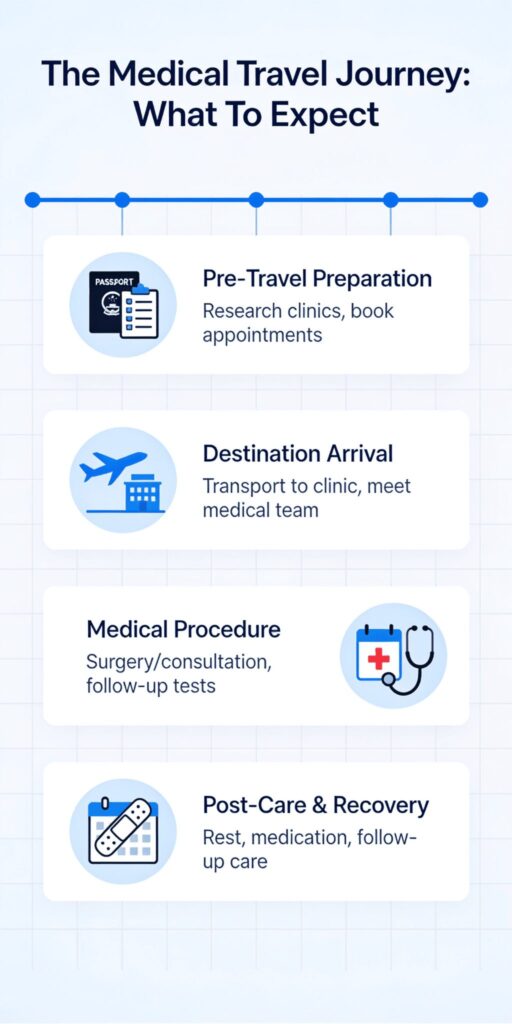

Limb lengthening is one of the most talked-about procedures in medical tourism — and one of the most misunderstood. For patients facing prices of $70,000 or more at home, having the surgery abroad can cut the cost by more than half, which is why a growing number of people now travel for it. But limb lengthening is also one of the most demanding elective operations there is: it means surgically cutting a bone and slowly stretching it over months, with a genuine risk of complications.
Deciding to have limb lengthening surgery abroad is not a choice to make on price alone. This guide covers both sides honestly — what the procedure actually costs across popular destinations, and the risks, side effects, and warning signs you need to weigh before you book. It applies whether you’re considering lengthening for cosmetic height or to correct a medical limb-length difference.
This article is for general information and is not medical advice — always consult a qualified orthopedic surgeon about your own case.
Why People Travel Abroad for Limb Lengthening
The main reason is cost. In the United States, limb lengthening can run from around $70,000 to well over $150,000 per procedure, and it’s rarely covered by insurance when done for height. Abroad, all-inclusive packages commonly range from about $15,000 to $45,000 — a difference large enough to fund the flights, the long recovery stay, and still save tens of thousands.
Availability matters too. Cosmetic height-increase lengthening is offered by only a limited number of surgeons in countries like the US and UK, often with long waits and premium pricing. In Canada and much of Europe it is either unavailable or carries waiting lists of a year or more, which pushes patients to look abroad in the first place. Travelling opens up access to high-volume centres and to the modern internal “magnetic nail” devices that many patients prefer.
There’s also a genuine medical side. Some people travel not for height but to correct a limb-length discrepancy caused by injury, infection, or a congenital condition — cases where lengthening restores function and balance.
Whatever the motivation, one thing stays true: affordability abroad should never be the only factor. Limb lengthening carries a real complication rate, and the cheapest option can become the most expensive one if something goes wrong. That’s why the rest of this guide gives equal weight to the risks.

Cosmetic or Medical? Why the Decision Differs
Before weighing cost and risk, it helps to be clear about which kind of limb lengthening you’re considering, because the trade-offs are very different. For a medically necessary case — correcting a limb-length discrepancy from injury, infection, or a congenital condition — lengthening restores function and balance and often relieves pain, so the benefit side of the equation is substantial, and the surgery may even be partly covered by insurance. For cosmetic lengthening, the goal is added height and the patient is usually healthy to begin with. That means the same risks are being accepted purely for an aesthetic gain, which raises the bar for how carefully you choose your surgeon and how realistic your expectations need to be. Neither path is wrong, but knowing which one you’re on shapes every decision that follows.
What Limb Lengthening Abroad Costs by Country
Prices vary enormously by destination and, even more, by the technique used. The table below shows typical all-inclusive package ranges compared with the cost at home — treat these as indicative figures that shift with the clinic, device, and your individual plan.
| Destination | Typical all-inclusive package (USD) | Notes |
|---|---|---|
| United States | $70,000 – $150,000+ | Per procedure; rarely covered for cosmetic cases |
| United Kingdom | $60,000 – $100,000 | Limited availability; long waits |
| India | $10,000 – $25,000 | Often the lowest headline price |
| Mexico | $20,000 – $40,000 | Popular with US patients; short travel |
| Thailand | $20,000 – $45,000 | Established medical-tourism infrastructure |
| Eastern Europe | $25,000 – $50,000 | EU-regulated clinics |
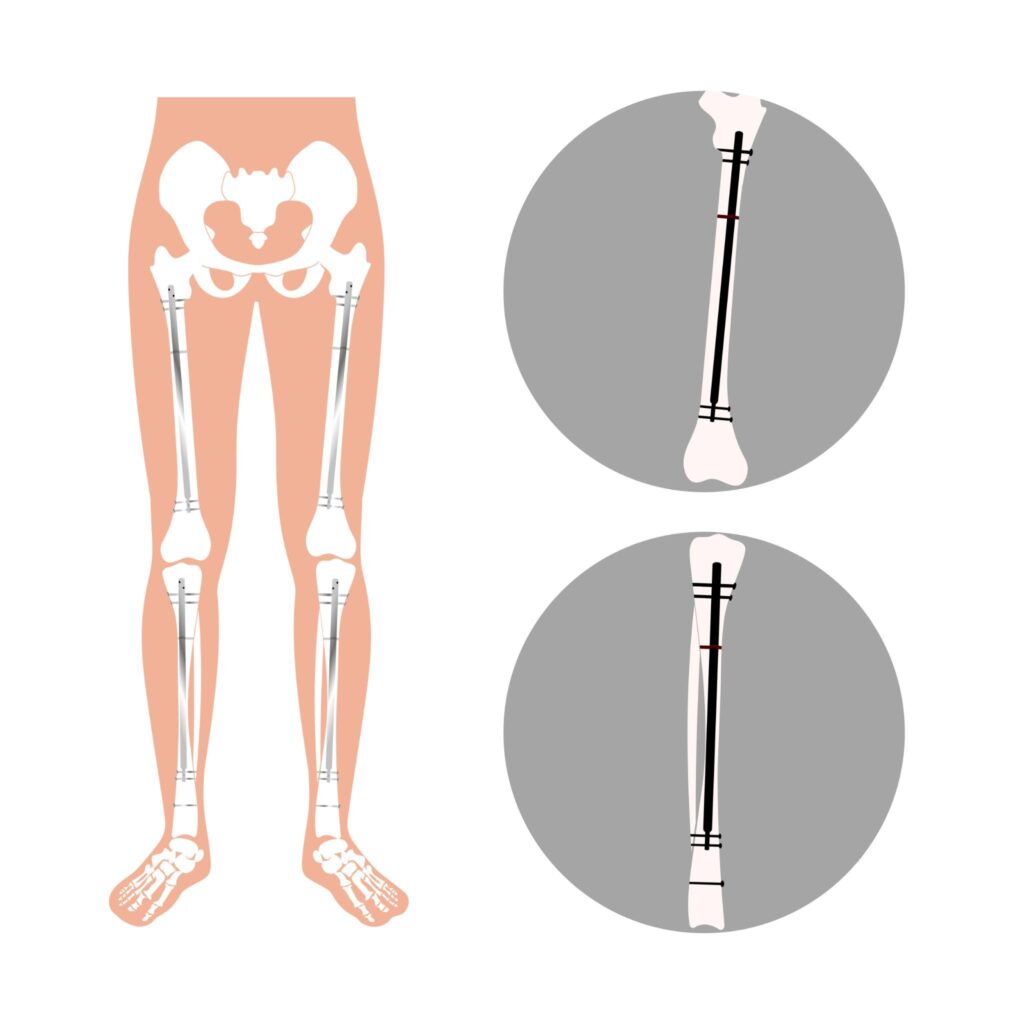
What drives the price more than anything is the device and the scope of surgery. External frames (such as Ilizarov or LON) are generally cheaper than modern internal magnetic nails (like PRECICE), which are more comfortable and leave less scarring but cost significantly more. Lengthening two bone segments rather than one, or doing both legs, also raises the total — as does the surgeon’s experience and reputation.
A genuine all-inclusive package should spell out the surgery, the surgeon and anaesthetist, the device, the hospital stay, and a defined block of physiotherapy; some also bundle accommodation and airport transfers. Always ask for that breakdown in writing, because a low quote that leaves out the device or rehabilitation isn’t the bargain it appears to be.
Remember that the package price is only part of what you’ll spend. Limb lengthening has an unusually long recovery — often several months of physiotherapy before you walk unaided — so budget for an extended stay or return trips, accommodation, a companion to help during early recovery, travel and medical insurance that covers complications, and ongoing physiotherapy once you’re home. Crucially, factor in the potential cost of managing a complication, which can dwarf the original savings.
Why is the same surgery so much cheaper overseas? As with other medical tourism, it comes down to lower staffing and facility costs, favourable exchange rates, and strong competition between private clinics in countries that actively court international patients. Lower prices don’t necessarily mean lower quality — but they do make it essential to verify accreditation and surgeon experience rather than choosing on headline cost, which is exactly where the next section comes in.
Considering Turkey? Turkey is one of the most popular destinations for limb lengthening, with internationally trained surgeons and modern internal-nail techniques. For Turkey-specific prices, the devices used, and exactly what a package includes, see our dedicated guide: Limb Lengthening Surgery in Turkey.
The Risks — And What “Gone Wrong” Really Means
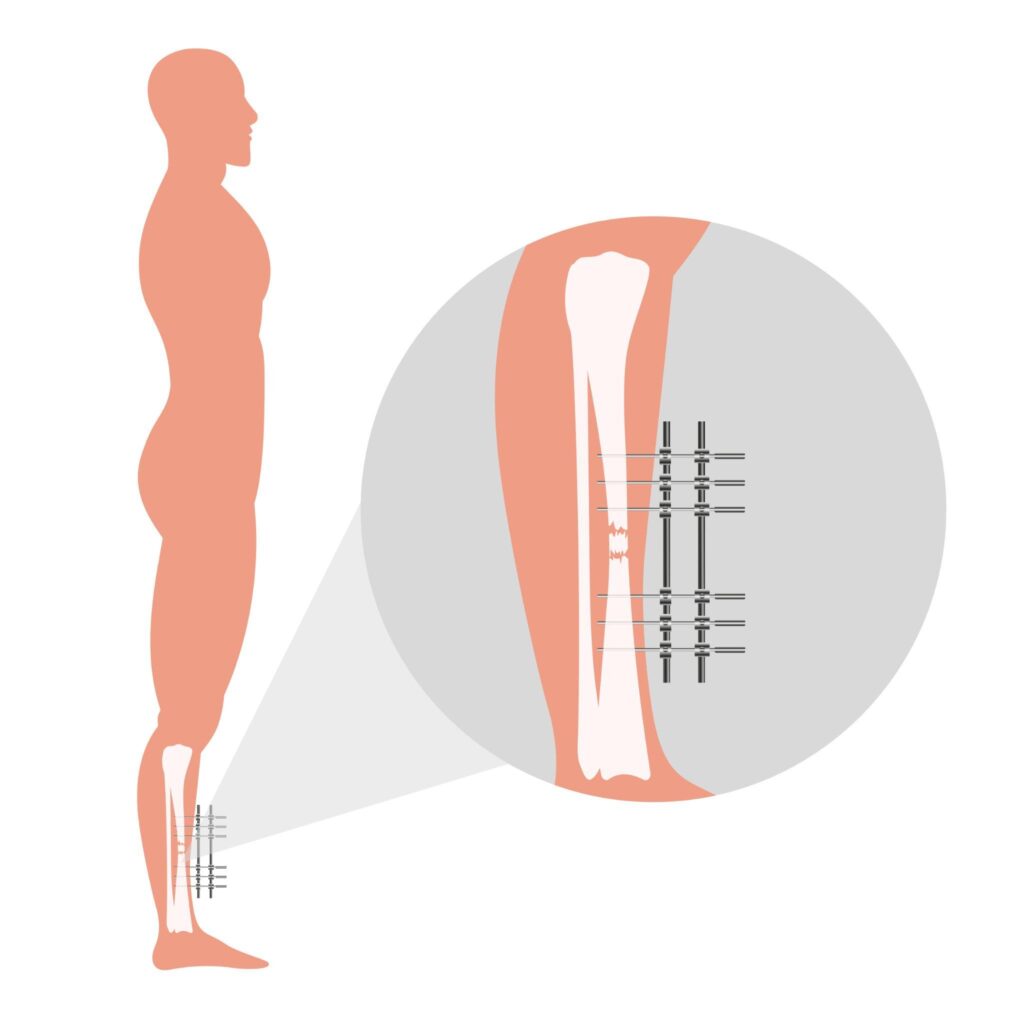
Limb lengthening works by cutting a bone and using a device to pull the two ends apart by roughly one millimetre a day, so new bone gradually fills the gap while the surrounding muscles, nerves, and blood vessels stretch to keep up. Because the body is being reshaped so slowly and so far, this is a procedure with one of the higher complication rates in elective orthopedics — especially when done for cosmetic reasons. For a clinical overview of the procedure and its risks, see the Cleveland Clinic’s limb lengthening overview.
The complications that can occur include:
- Nerve injury, causing numbness, tingling, or weakness — sometimes temporary, occasionally lasting
- Joint stiffness and muscle contractures, where tissues can’t stretch fast enough and the knee or ankle loses range of motion
- Bone-healing problems — new bone forming too slowly (delayed or non-union) or too quickly (premature consolidation)
- Malalignment, where the bone heals at a slight angle
- Infection, particularly around the pin sites of external frames
- Blood clots (deep vein thrombosis), which can be serious
- Hardware problems and, in some cases, the need for revision surgery
- Chronic pain and a long, demanding rehabilitation
It’s worth putting these in perspective. Minor issues — pin-site irritation with external frames, temporary swelling, muscle tightness — are common and usually manageable with good care. The serious complications, such as lasting nerve damage or failed bone healing, are much less common, but they aren’t rare enough to ignore, and their likelihood climbs sharply with aggressive lengthening goals, an inexperienced surgeon, or skipped rehabilitation.
Most patients who follow a good protocol recover well, and serious permanent harm is uncommon in experienced hands — but “experienced hands” is the key phrase. When you read about leg lengthening surgery that has “gone wrong,” the causes are strikingly consistent: an under-qualified surgeon, lengthening the bone further than the soft tissues can safely tolerate, inadequate physiotherapy, or poor aftercare once the patient has flown home. Most catastrophic outcomes trace back to who did the surgery and how the recovery was managed — not to the procedure being impossible to do safely.
That distinction matters for anyone considering it abroad. The savings are real, but so is the fact that a complication managed badly — or discovered only after you’ve returned to a country where no surgeon knows your case — can undo every benefit. Going in with clear eyes about the risks isn’t a reason to abandon the idea; it’s the single best way to protect yourself.
How to Have It Done Safely Abroad
If you decide to go ahead, the way you choose a surgeon and clinic matters more here than in almost any other procedure. A few essentials:
- Insist on a surgeon with specific fellowship training in limb lengthening and deformity correction, not a general orthopedic surgeon. Ask how many of these procedures they perform each year — high volume is strongly linked to fewer complications.
- Confirm the hospital holds recognised accreditation such as JCI or ISO, which signals audited safety and hygiene standards.
- Be realistic about limits. Safe lengthening is generally around 5–8 cm per bone segment; anyone promising dramatic gains in a single surgery is a warning sign, not a bargain.
- Ask directly about complication rates, how they’re handled, and what happens if something goes wrong after you return home.
It also pays to do your own homework beyond the clinic’s website. Read independent reviews on third-party platforms, ask whether you can speak with a former patient, and — especially for a cosmetic procedure — get an opinion from an orthopedic surgeon at home first, both to confirm you’re a suitable candidate and to have a local professional who already knows your situation.
Set your expectations honestly. Limb lengthening is a months-long commitment in which daily physiotherapy is not optional — it is the difference between a good outcome and a stiff, painful one. For cosmetic patients, surgeons increasingly stress psychological readiness too, because the recovery is mentally as well as physically taxing.
Watch for red flags: promises of extreme height gain, prices that seem too low to be safe, no named surgeon or verifiable credentials, glossy before-and-after galleries with no mention of risk, and no clear plan for aftercare or complications.
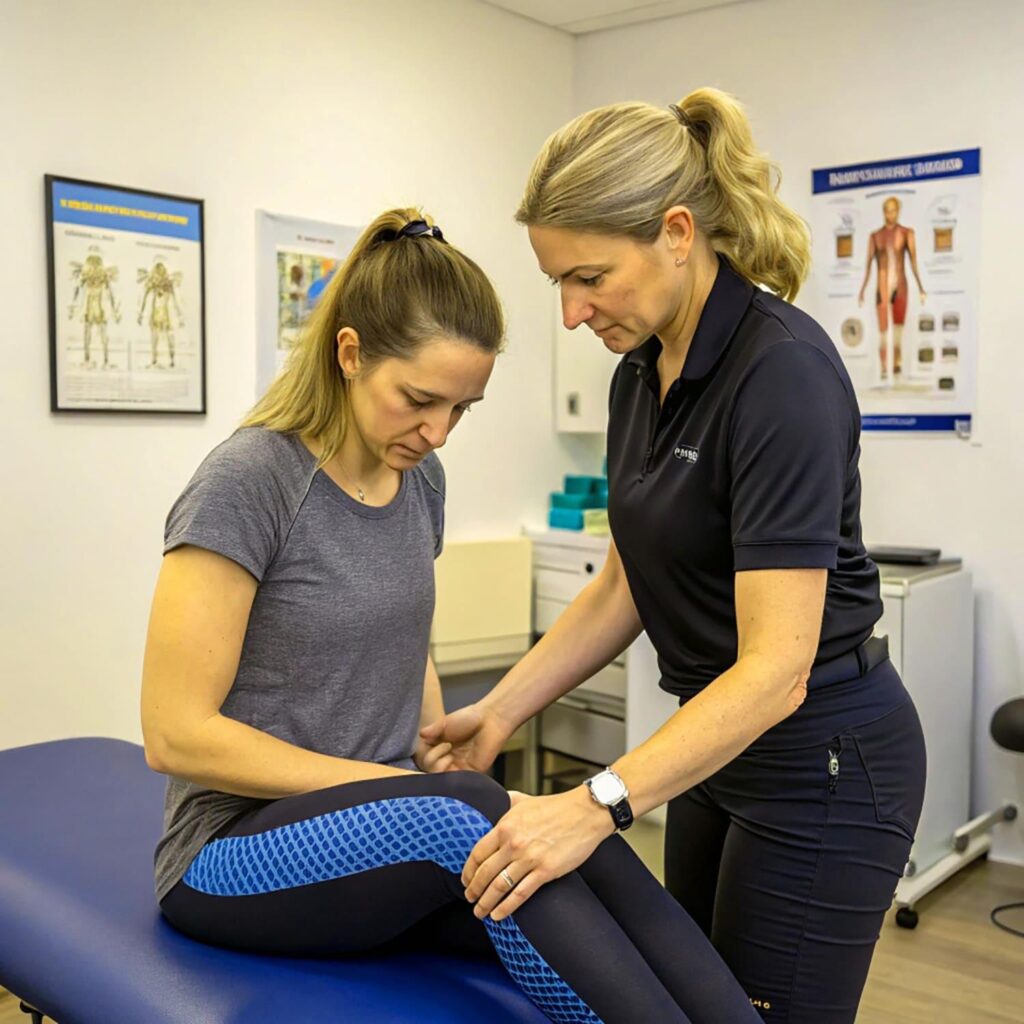
Finally, plan for continuity of care. Arrange who will monitor your recovery and manage any problems once you’re home, and check whether your insurance covers complications or revision surgery — many policies exclude cosmetic procedures entirely. For a detailed surgeon-vetting checklist tailored to this procedure, our Turkey guide walks through the exact questions to ask.
Frequently Asked Questions
How much does limb lengthening surgery cost abroad?
All-inclusive packages typically run from about $15,000 to $45,000 depending on the country and the device used, compared with $70,000 to $150,000 or more in the United States. Internal magnetic nails cost more than external frames, and lengthening both legs raises the total. Remember to add flights, an extended recovery stay, insurance, and physiotherapy to your budget. For a country-by-country breakdown, see our full guide to the cost of limb lengthening surgery.
Is limb lengthening surgery safe?
It can be, in experienced hands and with realistic goals, but it carries a higher complication rate than most elective surgery. Risks include nerve injury, joint stiffness, bone-healing problems, and infection. The biggest factors in a safe outcome are the surgeon’s expertise, staying within safe lengthening limits, and committing fully to rehabilitation. Complication rates are meaningfully lower at specialist high-volume centres than at clinics that perform the surgery only occasionally, which is why surgeon selection is the most important decision you will make.
What can go wrong with leg lengthening surgery?
Possible complications include nerve damage, muscle and joint contractures, delayed or failed bone healing, malalignment, infection, blood clots, hardware problems, and the need for revision surgery. Most serious problems are linked to inexperienced surgeons, over-lengthening, or poor aftercare rather than the procedure itself.
How many inches can you safely gain?
Safe lengthening is generally around 5–8 cm (about 2–3 inches) per bone segment. Larger gains require lengthening a second segment in a separate, staged surgery and increase the risk. Any clinic promising very large increases in a single operation should be treated with caution.
Which countries are cheapest for limb lengthening surgery?
India often has the lowest headline prices, followed by destinations such as Mexico, Thailand, Turkey, and parts of Eastern Europe. That said, the cheapest option isn’t automatically the safest — factor in accreditation, surgeon experience, and the cost of managing any complications before deciding on price.
Does insurance cover limb lengthening surgery abroad?
When the surgery is purely for height, most public and private insurers won’t cover it. Medically necessary lengthening to correct a genuine limb-length discrepancy is more likely to be covered, though rarely when performed overseas. Look specifically for travel or medical insurance that covers complications, since standard policies often exclude cosmetic procedures.
Considering limb lengthening in Turkey? Live Taller Now’s Istanbul team performs limb lengthening with internationally trained surgeons, modern internal-nail techniques, transparent all-inclusive packages, and structured aftercare. See full costs, the devices used, and what’s included — and book a free consultation.