

If you are researching limb lengthening, the first question is almost always the same: how much will this actually cost? The short answer is that the cost of limb lengthening surgery typically ranges from about $20,000 at the lower end of medical-tourism destinations to well over $150,000 for premium treatment in the United States. The longer answer — and the one that actually helps you plan — is that the quoted price is rarely the full picture.
A final bill is shaped by the technique used, the country, the surgeon’s experience, the length of your hospital stay, how much height or correction you want to gain, and which items a clinic chooses to bundle into its package. This guide walks through each of those factors, shows you what a typical quote does and does not include, and explains how to compare offers without being blindsided by hidden costs. Prices vary significantly — for a personalized quote, we encourage you to contact our team directly.
What determines the cost of limb lengthening surgery?
Two patients can receive two very different quotes for what sounds like the same operation. That is because five main factors move the price up or down more than anything else.
1. The technique (PRECICE, LON, or Ilizarov)
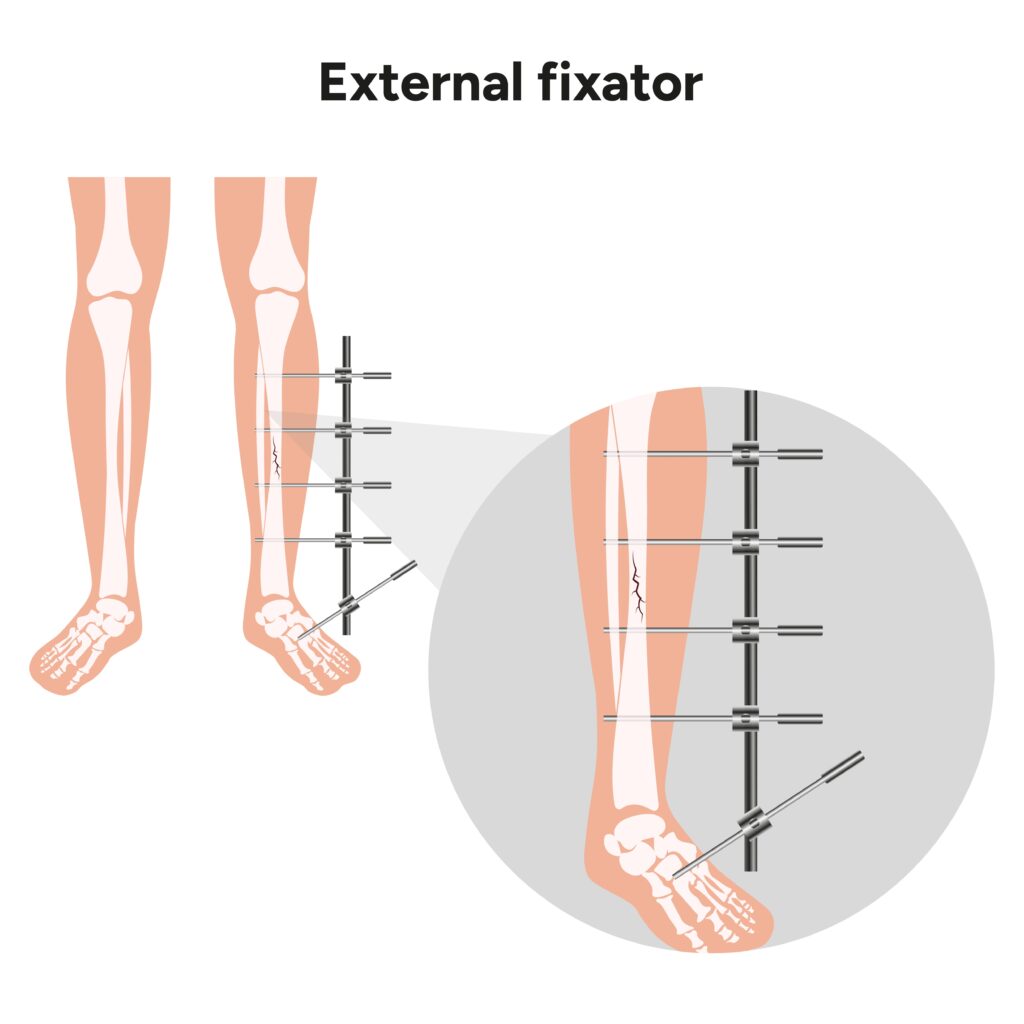
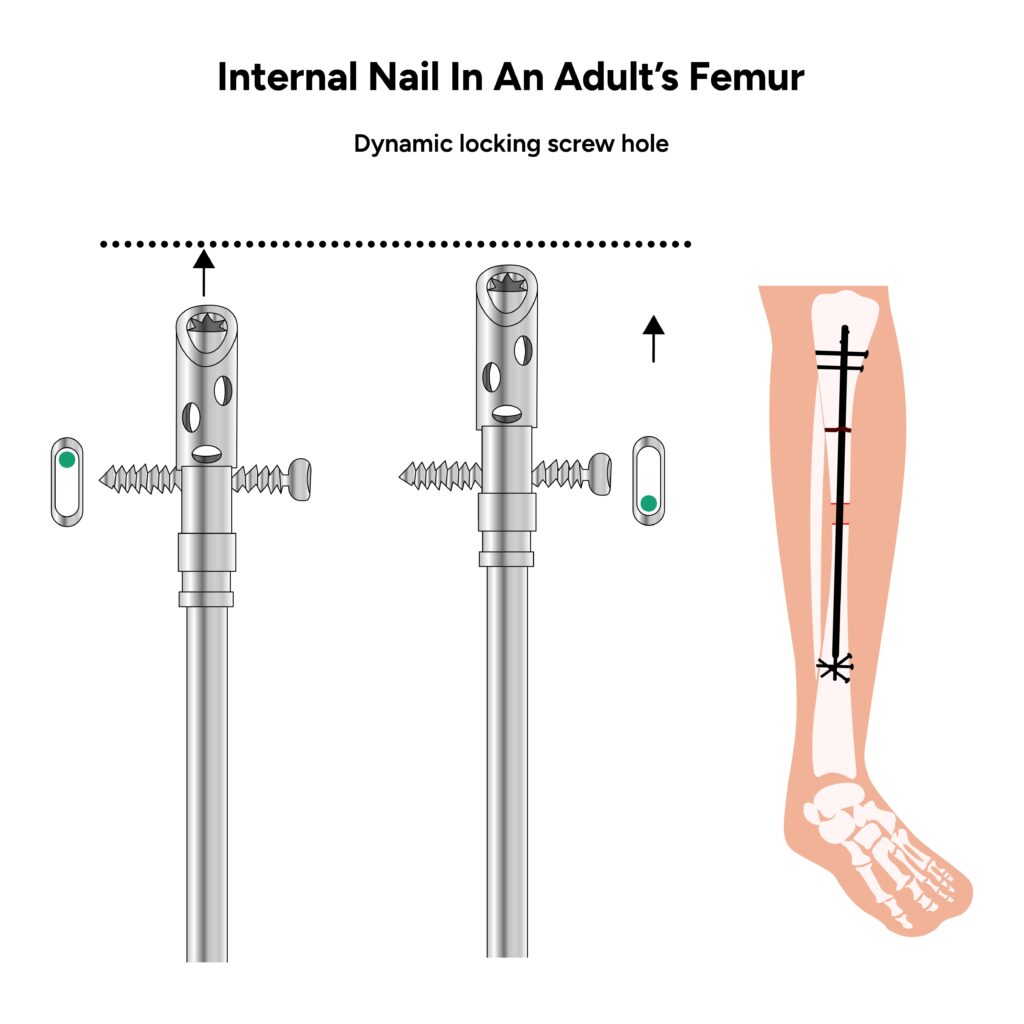
The device used to lengthen the bone is the single biggest driver of cost. Fully internal magnetic nails such as PRECICE sit inside the bone and are adjusted with an external remote — they are the most discreet and comfortable option, and also the most expensive. The Ilizarov external fixator is the most affordable but requires wearing a visible frame during treatment. LON (lengthening over nail) is a hybrid that reduces frame time at a mid-range price. For a full technical comparison, see our guide to Ilizarov vs. PRECICE vs. LON.
2. Country and clinic
Geography is the second biggest variable. A cosmetic limb lengthening procedure in the United States can cost four to six times more than the same operation in Turkey or India — not because the surgery itself is different, but because hospital overhead, staffing, insurance, and regulatory costs vary enormously by country.
3. Surgeon experience
Limb lengthening is a highly specialized field. Surgeons with hundreds of documented cases, published outcomes, and low complication rates command higher fees — and for a procedure this demanding, experience is almost always worth paying for. You can learn more about our surgical team here.
4. How much length you want to gain
Most patients gain between 5 and 8 centimeters per bone segment. More centimeters mean a longer distraction phase, a longer consolidation phase, more follow-up imaging, and more physical therapy. Some clinics price in tiers based on the target length; others quote a flat package up to a certain limit.
5. Hospital stay and follow-up
Inpatient days, post-operative imaging, and the number of bundled follow-up visits vary package to package. A clinic that includes 30 follow-up physiotherapy sessions is not really more expensive than one that quotes a lower headline price but bills each session separately.
What is included in a typical limb lengthening surgery price?
Most reputable clinics offer package pricing that bundles the core medical components of treatment. A complete package should cover the following:
| Line item | What it covers |
|---|---|
| Surgeon fee | The fee for the operating surgeon and surgical team performing the osteotomy and implant placement. |
| Hospital / facility fee | Operating room, recovery room, nursing care, and a defined number of inpatient days. |
| Implant / device | The lengthening nail or external fixator itself. On premium magnetic nails this can be 20–40% of the total cost. |
| Anesthesia | Anesthesiologist fee and medications used during surgery. |
| Pre-op imaging & tests | X-rays, CT scans, blood work, and the consultations required to clear you for surgery. |
| Post-op follow-ups | Imaging and surgeon visits during the distraction phase (usually 2–4 appointments). |
| Initial physiotherapy | A set number of rehab sessions during the inpatient stay or immediate follow-up period. |
| Remote controller (PRECICE) | For magnetic nail patients, the external remote used to drive daily lengthening is usually provided. |
If you want to see exactly what our package covers, our limb lengthening patient guide walks through each line in detail.
What is NOT included: the hidden costs to budget for
This is where many patients are surprised after surgery. A quoted package is almost never the end of the financial picture, because limb lengthening is a months-long process and a lot of the cost lives outside the operating room. Plan for the following.
Extended physiotherapy
Rehab typically continues for six to twelve months after surgery, and a package usually only covers the first handful of sessions. Ongoing physiotherapy is essential — skipping it is the single fastest way to end up with joint stiffness, muscle tightness, or a complication that costs more to fix than the therapy would have cost in the first place. See our guide to recovery and healing time for a realistic timeline.
Accommodation and living expenses abroad
If you travel for surgery, you will need somewhere to stay for anywhere from three to eight weeks depending on the technique. Many medical-tourism packages include the first 10–14 nights, but anything beyond that is out of pocket. Budget for a companion or caretaker as well — you should not be alone in the early weeks.
Time off work
Most patients need six to twelve weeks away from a desk-based job, and far longer for physically demanding work. The lost income — or the unpaid leave — is a real cost that rarely shows up on a clinic’s quote.
Hardware removal
Internal nails are typically removed around 12–24 months after surgery in a second, smaller operation. Some clinics include removal in the original package; many do not. Always ask.
Complication and revision buffer
Limb lengthening has a real complication rate — delayed bone healing, nerve irritation, joint stiffness, and in rare cases hardware issues can all require additional treatment. Financially prudent patients set aside a buffer of roughly 15–20% of the package price to cover the unexpected.
Medications, mobility aids, and home modifications
Pain medication, blood thinners, crutches or a walker, and even small home changes (a shower stool, a raised toilet seat) add up. Most patients spend a few hundred to a couple of thousand dollars here.
Limb lengthening surgery cost by country
These are publicly reported price ranges for cosmetic limb lengthening using internal methods, as of the most recent surveys of clinics. They are directional only — actual quotes depend on the technique, the surgeon, and what is included in the package.
| Country | Typical range (USD) | Notes |
|---|---|---|
| United States | $75,000 – $150,000+ | Premium internal nails; PRECICE at top-tier clinics can exceed $180,000. |
| Turkey | $20,000 – $55,000 | Most popular medical-tourism destination. Ilizarov at the low end, PRECICE at the top end. |
| India | $10,000 – $35,000 | Wide range; verify surgeon credentials and hospital accreditation carefully. |
| Mexico | $25,000 – $50,000 | Growing option for U.S. patients seeking proximity. |
| South Korea | $40,000 – $80,000 | Known for cosmetic surgery infrastructure; language can be a factor. |
| Germany | $50,000 – $100,000 | Strong reconstructive tradition; cosmetic access is more limited. |
| United Kingdom | $70,000 – $120,000 | Mostly private clinics; NHS coverage for cosmetic cases is essentially nil. |
Why the gap? Hospital overhead, malpractice insurance, staffing costs, and regulatory compliance differ enormously across countries. A lower-cost destination does not automatically mean lower quality — but it does mean you should look past the headline number and examine surgeon experience, complication rates, hospital accreditation, and what is bundled into the package. Our Turkey limb lengthening program is built around transparent pricing and a fully bundled recovery pathway.
Will insurance cover limb lengthening surgery?
In almost all cases, cosmetic limb lengthening — surgery performed for height gain rather than to correct a medical problem — is not covered by insurance. Insurers classify it as an elective procedure, similar to cosmetic rhinoplasty or elective breast surgery, and decline reimbursement.
Reconstructive limb lengthening — surgery performed to correct a significant leg-length discrepancy, congenital condition, or trauma-related shortening — is a different story. In those cases, health insurance often covers at least part of the cost, though you should expect extensive documentation, pre-authorization, and in some cases a second opinion before approval.
Financing options
- Medical financing companies such as CareCredit (U.S.), Prospa, or Klarna Medical offer multi-year installment plans for elective procedures.
- Personal loans and home equity lines of credit are commonly used for cosmetic cases, especially when interest rates are favorable.
- Clinic payment plans — many international clinics (ours included) offer structured payment schedules tied to the treatment milestones.
- HSA and FSA funds cannot usually be applied to cosmetic cases in the U.S., but may be usable for reconstructive lengthening with documentation.
If you are planning financing, always factor in the hidden costs discussed earlier, not just the package price. A loan that covers surgery but leaves no room for rehab is a loan that will cost you more in the long run.
Is the cost of limb lengthening surgery worth it?
That is a deeply personal question, and the honest answer is: it depends on what you value and how realistic your expectations are. Patients who are satisfied with the outcome almost always share three characteristics — they understood the full financial picture before surgery (not just the package), they committed fully to the rehabilitation process, and they had specific, tangible reasons for wanting the procedure rather than a vague hope that height alone would solve deeper issues. We unpack this in detail in Limb Lengthening Surgery: Is It Worth It?, and you can read first-hand accounts in our patient success stories.
Frequently asked questions
How much does it cost to get your legs lengthened?
The cost of getting your legs lengthened ranges from around $20,000 in medical-tourism destinations such as Turkey or India, up to $150,000 or more at premium clinics in the United States. Most patients pay between $30,000 and $80,000 for internal-nail techniques at experienced international centers, with the implant, surgeon fee, hospital stay, and initial follow-up typically bundled into the package.
How risky is leg lengthening?
Leg lengthening is major orthopedic surgery and carries real risks, including infection, delayed bone healing, nerve irritation, joint stiffness, muscle tightness, and in rare cases hardware failure requiring revision. Overall complication rates vary by technique and surgeon, but published studies generally report minor complication rates in the 20–40% range and major complication rates in the low single digits. Careful patient selection, an experienced surgeon, and disciplined rehabilitation dramatically reduce the risk of a serious adverse outcome.
Does insurance pay for limb lengthening surgery?
Insurance generally does not pay for cosmetic limb lengthening surgery, which is classified as an elective procedure. Insurance may cover reconstructive limb lengthening performed to correct a leg-length discrepancy, a congenital condition, or a trauma-related bone defect, but coverage usually requires pre-authorization, documented medical necessity, and sometimes a second surgical opinion before it is approved.
Is limb lengthening surgery safe?
Limb lengthening surgery is considered safe when performed on an appropriately selected patient by an experienced surgical team, with proper imaging, planning, and a structured rehabilitation program. It is not a minor procedure and no responsible surgeon will describe it as risk-free — but in the hands of a specialist with a long case history and a full recovery protocol in place, the vast majority of patients complete treatment without major complications. You can read more in our FAQ page.
Get a personalized cost estimate
Public price ranges are a starting point, not a quote. Your actual cost depends on your target length, your preferred technique, your medical history, and the level of follow-up you need. If you would like a transparent, fully itemized estimate for your specific case — including every item discussed in this guide — visit our limb lengthening surgery page or contact us for a private consultation. We will walk you through what is included, what is not, and what your realistic total investment looks like before you commit to anything.