

When a leg needs to be made shorter — whether to even out a leg length discrepancy or to reduce overall height — the surgeon faces a key decision before anything else: which bone do we shorten? The leg has two long bones that can be operated on, the femur (thigh bone) and the tibia (shin bone), and the choice between them shapes how much length can be removed, how the leg heals, and what the recovery looks like.
Bone shortening is performed for two broad reasons. The first is correcting a leg length discrepancy (LLD), in which one leg is genuinely longer than the other, and the longer limb is shortened to match. The second is elective height reduction, where a person of typical proportions chooses to become shorter. In both cases, the same question applies: femur or tibia? This article explains what each procedure involves, why the femur is usually the first choice, when the tibia is preferred instead, and how a surgeon weighs the two. For a clinical reference point, the U.S. National Library of Medicine’s MedlinePlus overview of leg lengthening and shortening is a helpful neutral starting point.
A quick note on framing: this is general educational information about how these procedures work, not medical advice. The right approach for any individual depends on their anatomy and goals, which only an evaluating surgeon can assess.
The Short Answer: Femur First, Tibia in Specific Cases
If you want the answer up front: surgeons most commonly shorten the femur (thigh bone). The femur is the longest, strongest bone in the body; it heals reliably, it is well covered by muscle, and it can tolerate the removal of a meaningful segment of length. The tibia is shortened far less often and only in particular situations — usually when the discrepancy is located in the lower leg itself, or when a smaller, more precise correction is needed.
Why a Bone Gets Shortened in the First Place
Before comparing the two bones, it helps to be clear on why shortening is on the table at all, because the reason often influences the bone chosen.
Leg length discrepancy (LLD)
When one leg is longer than the other — from a previous fracture, a growth-plate issue, hip or knee surgery, or a developmental difference — the mismatch can cause an uneven gait, hip and back strain, and discomfort over time. One way to fix this is to lengthen the shorter leg; another is to shorten the longer one. Shortening is often simpler and more predictable for small to moderate differences, and the bone chosen is usually the one where the extra length actually sits. For more on how LLD differs from simply being short overall, see our companion guide on leg length discrepancy vs. limb lengthening for short stature.
Elective height reduction
A smaller number of patients are of normal proportions but wish to be shorter, often for personal or psychological reasons. Here, both legs are typically shortened by an equal amount to keep the body symmetrical, and the femur is almost always the bone of choice because it gives the most length per procedure with the most reliable healing.
The reason matters because LLD shortening is about matching a specific bone segment, while height reduction is about removing the maximum safe, symmetrical length, and that pushes the decision in different directions.

Femoral (Thigh Bone) Shortening
Femoral shortening is the standard approach, and understanding why explains most of the femur-versus-tibia logic.
How it works
The surgeon removes a measured segment of the femur and then fixes the two ends back together so they heal as one continuous bone. In modern practice, this is most often done with an intramedullary nail — a rod placed inside the hollow center of the bone — which holds the ends in alignment internally and allows early weight-bearing. The cut itself may be made in a stepped or transverse fashion, depending on technique and how much length is being removed.
How much can be removed?
The femur can typically tolerate the removal of a larger segment than the tibia, which is precisely why it is favored for bigger corrections and for height reduction. The exact amount is individualized and limited by muscle function — remove too much and the surrounding muscles lose efficiency — but the femur’s size gives surgeons more room to work with.
Why the femur is the default
Three factors drive this. First, the femur is enveloped in thick, well-vascularized muscle, which supports healing and protects the hardware. Second, it heals reliably; femoral osteotomies have a strong track record of union. Third, the incision and any visible scarring sit on the thigh, which most patients find more acceptable than the shin. The trade-off is that it is a large bone in a major weight-bearing role, so the surgery is significant, and recovery is structured around protecting that healing.
Tibial (Shin Bone) Shortening
Tibial shortening is the less common path, and the reasons it is chosen — and chosen carefully — are instructive.
When and why it is selected
The tibia is usually shortened when the discrepancy itself originates in the lower leg, so correcting it at the source makes anatomical sense, or when a relatively small, precise amount of length needs to come out. In those cases, addressing the tibia directly can be more logical than shortening the femur above it.
Anatomical limits
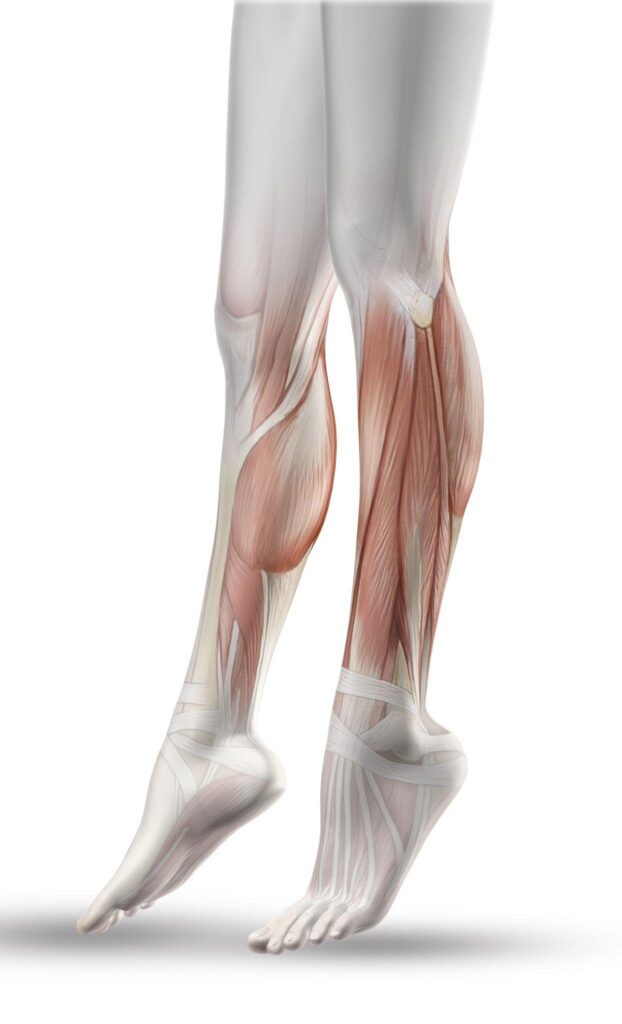
The tibia is thinner than the femur and is covered by far less muscle, especially along its front surface, which sits just beneath the skin. It also shares the lower leg with the fibula, the slimmer secondary bone, which generally has to be addressed as well, so the two bones stay balanced after the tibia is shortened. These factors mean the tibia tolerates a smaller correction than the femur.
Why surgeons shorten less here
Because of the thinner soft-tissue envelope and the more delicate blood supply in the lower leg, tibial procedures are generally associated with a slower or more cautious healing course and a higher relative risk of wound and soft-tissue complications. Surgeons, therefore, tend to remove less length and reserve the tibia for cases where it is the right anatomical answer rather than the default.
Femur vs. Tibia: Side-by-Side
The two bones differ across most of the factors that matter to a patient. The table below summarizes the general picture; individual cases vary.
| Factor | Femur (thigh) | Tibia (shin) |
|---|---|---|
| How often chosen | Default / most common | Less common, specific cases |
| Length that can be removed | Larger segment tolerated | Smaller correction |
| Soft-tissue coverage | Thick muscle envelope | Thin skin sits close to the bone |
| Healing reliability | Strong track record | More cautious, slower course |
| Relative complication risk | Lower for soft tissue | Higher for wound/soft tissue |
| Scar location | Thigh (more concealed) | Shin (more exposed) |
| The second bone involved | No | Fibula usually addressed too |
| Typical indication | Height reduction; upper-leg or large LLD | Lower-leg LLD; small, precise correction |
The headline takeaway: the femur wins on capacity and reliability, while the tibia is the targeted tool for discrepancies that genuinely live in the lower leg.

How Surgeons Decide Which Bone to Shorten
The choice is not arbitrary — it follows a fairly consistent logic built on three questions.
Where is the discrepancy?
If the extra length sits in the thigh, the femur is shortened; if it sits in the lower leg, the tibia may be the better target. Correcting the mismatch where it actually occurs keeps the leg’s proportions natural.
How much length needs to come out?
Larger corrections push toward the femur because it can give up more length safely. Small, fine adjustments may be handled at the tibia. For elective height reduction, where the goal is maximum symmetrical length, the femur is almost always chosen for both legs.
What is the patient's anatomy and goal?
Muscle bulk, prior surgeries, bone quality, the patient’s tolerance for recovery, and cosmetic preferences around scarring all feed into the decision. A surgeon balances the cleanest anatomical fix against the most reliable healing and the patient’s priorities. In practice, these questions usually point clearly to one bone — and most of the time, that bone is the femur.
Risks and Recovery, in Brief
Both femoral and tibial shortening are major orthopedic procedures, and both carry the general risks common to bone surgery: infection, delayed or incomplete bone union, nerve or blood-vessel injury, hardware-related issues, and a temporary reduction in muscle strength while the shortened muscles adapt to their new length. Tibial procedures carry a somewhat higher relative risk of wound and soft-tissue problems because of the thin covering over the shin.
Recovery is structured around protecting the healing bone, gradually restoring weight-bearing, and rebuilding strength and gait through physiotherapy. The full healing journey — pain, milestones, and physiotherapy — is covered in our height surgery recovery time guide, and if you are wondering about the overall duration, see how long limb lengthening takes. Both are worth reading before any decision.
Shortening One Leg vs. Lengthening the Other
For leg length discrepancy specifically, shortening the longer leg is only one of two routes — the alternative is lengthening the shorter leg. Each has trade-offs. Shortening is generally a more contained, predictable procedure with a shorter overall course, but it reduces total height slightly and removes healthy bone. Lengthening preserves and adds height, but is a longer, more demanding process involving a gradual distraction phase.
Which route makes sense depends on the size of the discrepancy, the patient’s current height and goals, and their tolerance for a longer treatment. For a full comparison of the lengthening techniques themselves, see our breakdown of Ilizarov vs. PRECICE vs. LON. Cost is also part of the calculus — our guide to the cost of limb lengthening surgery breaks down what is involved. The shorten-or-lengthen decision is one of the most important conversations to have with a surgeon, and it is highly individual.
Conclusion
The femur-versus-tibia question has a clear default answer: the femur is shortened in most cases because it is large, well-protected by muscle, heals reliably, and can give up more length safely.
The tibia is reserved for discrepancies that genuinely sit in the lower leg or for small, precise corrections, and it is approached more cautiously because of its thinner soft-tissue covering and the involvement of the fibula. Ultimately, the right bone — and indeed whether shortening is the right strategy at all versus lengthening the opposite leg — depends entirely on where the length difference lies, how much correction is needed, and the patient’s own anatomy and goals.
If you are still weighing whether any of this is right for you, our honest look at whether limb lengthening surgery is worth it is a good next read. And the most valuable step of all is an evaluation with a limb-lengthening and reconstruction specialist who can assess your specific situation.