Bunion surgery is a reliable way to correct a painful, crooked big toe, but recovery asks for more patience than most people expect. Because the procedure realigns bone, your foot needs real time to heal before it can carry your full weight, slip into normal shoes, or handle a run. The good news is that the timeline is fairly predictable, and most people move through it steadily. This guide covers bunion surgery recovery the way it actually happens — a realistic week-by-week timeline and honest answers to the three questions patients ask most: when can I walk, when can I drive, and when can I exercise again?
How long does bunion surgery recovery take?
Short answer: most people are walking in a limited way within days to a couple of weeks, back in normal shoes around six to twelve weeks, and fully recovered — swelling gone, bone fully healed — anywhere from four months to a year.
That range is wide because “bunion surgery” covers several different procedures. Minimally invasive techniques use tiny incisions and can mean less swelling and a quicker early recovery, while traditional open surgery — often an osteotomy, where the bone is cut and repositioned — is more involved and heals more slowly. More complex corrections that fuse a joint take longer still. Your surgeon selects the approach based on the size of the bunion, the shape of your bones, and how severe the deformity is.
It helps to separate two milestones. Being “back on your feet” — walking in a surgical boot, managing around the house — often happens within the first week or two. Being “fully healed” — bone solidly knitted, swelling resolved, comfortable in any shoe — takes months. A boot you can walk in does not mean the bone has finished healing, which is exactly why following your surgeon’s weight-bearing instructions matters so much.
What affects how quickly you recover?
Recovery speed varies a lot from person to person, and a few factors explain most of it:
- Procedure type. Minimally invasive surgery generally heals faster early on than a traditional osteotomy or a joint fusion.
- Bone healing. Because bone has to knit back together, this is the rate-limiting step — and it cannot be rushed.
- Following weight-bearing rules. Putting too much weight on the foot too soon is the most common way to slow healing or shift the correction.
- Swelling tendency. The foot is the body’s lowest point, so swelling here is stubborn and can linger for months.
- General health. Smoking in particular slows bone healing, and conditions such as diabetes can extend the timeline.
Knowing where you fall on these helps you set a realistic personal timeline rather than expecting someone else’s.
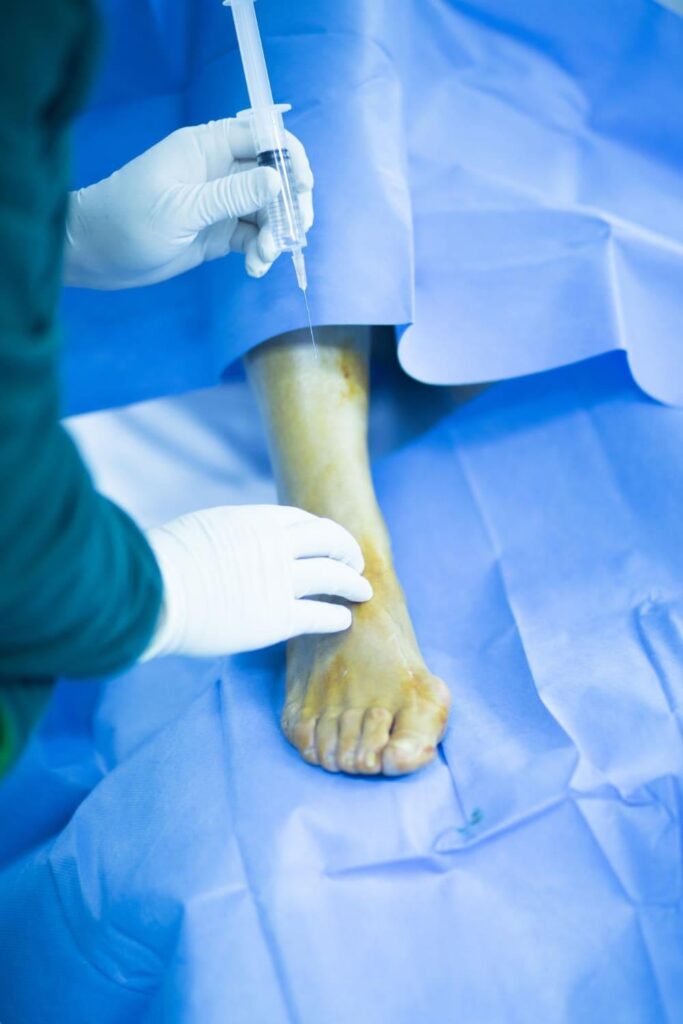
Bunion surgery recovery timeline, week by week
Here is roughly how recovery tends to unfold. Everyone heals at their own pace, so treat this as a map rather than a fixed schedule.
First few days
Expect swelling, bruising, and discomfort, with the foot in a bandage and a protective surgical boot or shoe. The single most useful thing you can do now is keep the foot elevated above heart level for most of the day to control swelling. Pain is usually managed with prescribed or over-the-counter medication. Most surgeons want you resting, with only essential trips on your feet.
Weeks 1 to 2
You’ll typically have a follow-up to check the wound and change the dressing. Many people can move around carefully in the boot, putting weight through the heel or outer foot as instructed, but the foot still needs frequent elevation. Stitches usually come out around the two-week mark if they aren’t dissolvable.
Weeks 3 to 6
Swelling and bruising start to settle, and walking in the boot becomes easier and more confident. This is often when people begin to feel more independent, though the boot usually stays on and the foot still tires quickly. Desk workers frequently return to work somewhere in this window.
Weeks 6 to 12
Around the six-week mark, many surgeons confirm the bone has healed enough to transition out of the boot and into a supportive, roomy shoe — often starting with a trainer before anything narrower. Walking distance gradually builds and gentle activity resumes. Lingering swelling, especially at the end of the day, is completely normal here, and many people find their foot is still happiest in wider footwear for a while. Pushing back into tight or fashionable shoes too early is a common cause of discomfort during this phase.
Up to a year
Full recovery — the bone fully solid, swelling gone, and comfort in any shoe including narrower styles — can take six months to a year. Mild swelling that comes and goes during this stretch is expected and not a sign that anything is wrong.
Walking after bunion surgery
Walking is the milestone patients ask about first, and the answer surprises many: you’re usually walking in some form within days, just not the way you picture it.
In the early weeks, walking means short, careful steps in a surgical boot or stiff-soled shoe that protects the healing bone. Depending on your procedure, your surgeon will tell you whether to bear weight through your heel, the outside of your foot, or — less commonly — to stay completely off it for a period. Following these instructions precisely protects the correction you just had done.
Most people walk more freely as swelling drops over weeks three to six, but the boot typically stays on until around six weeks, when the bone has healed enough to begin transitioning to a normal, supportive shoe. Expect the foot to tire and swell after activity for a while even after the boot comes off — building up walking distance gradually is far better than testing it all at once.
A few practical points: use any crutches, walker, or knee scooter your surgeon recommends in the early days, keep trips short and purposeful, and elevate the foot afterward. If walking suddenly becomes more painful rather than less, that’s worth flagging to your surgeon rather than pushing through.
It’s also worth planning your environment in advance. Setting up a comfortable spot where you can sit with the foot raised, keeping everyday items within easy reach, and arranging help for the first week or two can make a real difference — the less you have to be on your feet early on, the more smoothly that healing bone tends to settle.
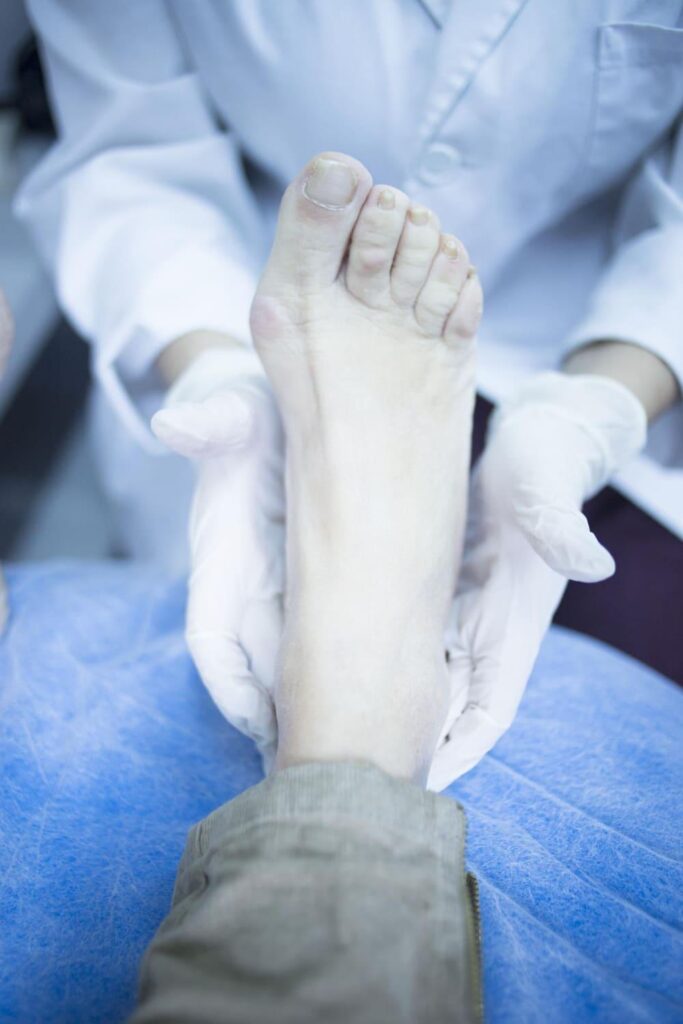
Driving after bunion surgery
When you can drive again depends mostly on which foot was operated on and whether you can control the vehicle safely in an emergency stop.
If your left foot was operated on and you drive an automatic, you may be able to return relatively early — sometimes within a couple of weeks — provided you’re off strong pain medication and comfortable. If your right foot was operated on, or you drive a manual, the wait is usually longer, because you need full, pain-free control of the pedals. Many people aren’t ready to drive until they’re out of the boot and can move the foot normally, which is often around the six-week mark or later.
Two rules matter above all: never drive while taking strong painkillers that affect alertness, and never drive while you’re still in the surgical boot, which makes safe pedal control impossible. When in doubt, confirm with your surgeon — and check your insurer’s position, as some have specific requirements after surgery.
Exercise and returning to activity
Getting back to exercise is a gradual, staged process, and rushing it is one of the easiest ways to set recovery back.
In the first weeks, “activity” mostly means gentle, surgeon-approved foot and ankle movements to keep the joint mobile and aid circulation — not workouts. As you move out of the boot, low-impact options usually come first: stationary cycling, swimming once the wound is fully healed, and gentle walking for fitness. These let you stay active without pounding the healing bone.
Higher-impact exercise waits longer. Running, jumping, racquet sports, and anything that loads the forefoot hard are typically off the table until the bone is fully healed and your surgeon clears you — often around three to six months, sometimes longer. Returning to these too early risks pain, swelling, and in some cases compromising the correction.
The sensible pattern is to progress one step at a time: restore comfortable walking first, add low-impact cardio next, then reintroduce impact gradually once you’ve been cleared. If a given activity causes pain or fresh swelling, scale back and give it more time. A physical therapist can help structure the return, especially if you’re an athlete or have a physically demanding routine.
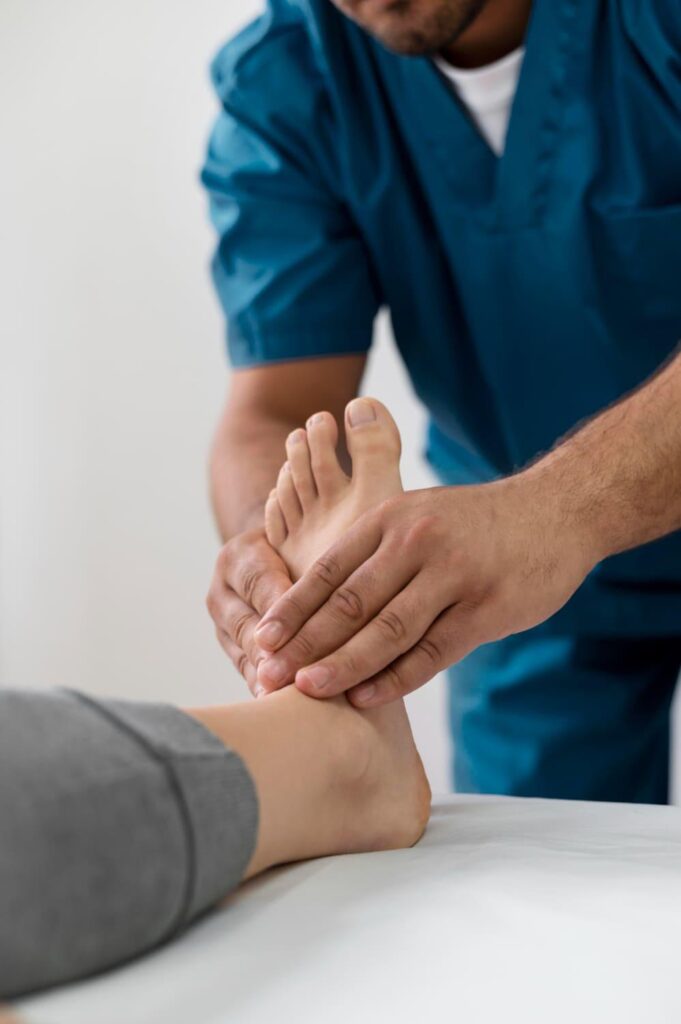
Managing swelling, scar care, and a smoother recovery
Swelling is the part of bunion recovery people underestimate most. Because the foot sits at the body’s lowest point, fluid pools there, and mild swelling can come and go for several months — even after you’re walking normally. It’s a normal part of healing, not a complication.
A few habits make the whole process easier:
- Elevate the foot above heart level often, especially in the first weeks and after any activity.
- Follow your surgeon’s wound-care instructions exactly, and keep the incision clean and dry.
- Once the wound is fully healed and you’re cleared, gentle scar massage can help the scar soften and fade over the following months.
- Ice as directed to help manage swelling and discomfort.
- Wear the boot or recommended footwear for as long as advised — it’s protecting the bone, not just the wound.
- Build activity up gradually and rest when the foot tells you to.
Steady, patient habits consistently beat doing too much too soon and paying for it with a setback.
If the swelling worries you, it can help to track it: many people notice their foot is more swollen in the evening and after activity, then better after a night with it elevated. That daily rhythm — worse with use, better with rest — is reassuringly normal. What’s less normal is swelling that climbs steadily with redness or heat, which is worth raising with your surgeon.
When to contact your surgeon
Most bunion recoveries are straightforward, but some signs deserve prompt attention. Contact your surgeon if you notice increasing redness, warmth, or discharge around the incision, a fever, calf pain or swelling, sudden severe pain, or numbness and tingling that worsen rather than improve. These can point to an infection, a blood clot, or another issue that’s far easier to treat early. When something doesn’t feel right, it’s always reasonable to ask.
Frequently asked questions
How long is full recovery from bunion surgery?
You’re often back on your feet in a boot within days and in normal shoes by six to twelve weeks, but full recovery — bone fully healed and swelling resolved — can take six months to a year.
When can I walk after bunion surgery?
Usually within days in a protective boot, bearing weight as your surgeon instructs. Walking in normal shoes typically begins around six weeks, once the bone has healed enough.
When can I drive after bunion surgery?
Possibly within a couple of weeks for left-foot surgery in an automatic, but often around six weeks or later for right-foot or manual driving. Never drive in the boot or while on strong painkillers.
When can I exercise again after bunion surgery?
Gentle movement starts early, low-impact cardio comes after the boot, and high-impact exercise like running usually waits until you’re cleared — often three to six months.
How long does swelling last after bunion surgery?
Significant swelling eases over the first several weeks, but mild, intermittent swelling can persist for several months and is completely normal.
Will I have a visible scar after bunion surgery?
Minimally invasive surgery leaves very small scars, while traditional surgery leaves a longer one that usually fades over months, helped by gentle massage once it has healed.
Considering bunion surgery in Istanbul? Learn how the procedure works, what’s included, and how to plan your treatment with an experienced surgical team — then take the next step when you’re ready.