Height surgery, also known as limb lengthening surgery, has become a well-known option for adults who want to gain permanent inches in stature. While the results can be life-changing, the procedure is still a major orthopedic operation, and like any surgery, it carries risks. Understanding the possible height surgery side effects is one of the most important steps you can take before deciding whether this path is right for you.
Many patients focus mostly on how many centimeters they can gain and how long recovery will take. These are valid questions, but they only tell part of the story. The body needs time, patience, and careful medical support to handle the bone lengthening process. Knowing what can go wrong, why it happens, and how surgeons work to prevent it will help you make a fully informed decision and approach recovery with realistic expectations.
What Causes Side Effects in Height Surgery?
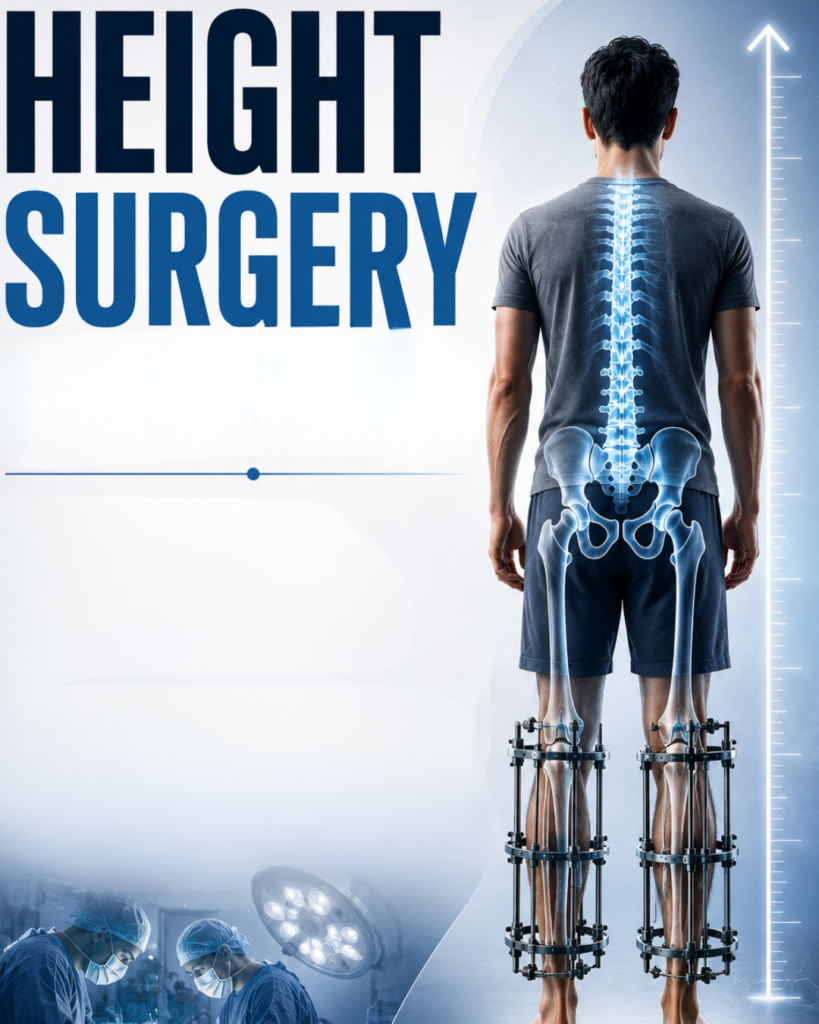
Height surgery works through a process called distraction osteogenesis. The surgeon cuts the bone, and over the following weeks the two ends are slowly pulled apart at about one millimeter per day. As the gap widens, new bone forms in between to fill it. Around that growing bone, the muscles, nerves, blood vessels, and skin must stretch at the same pace.
Most height surgery side effects come from this stretching process rather than from the operation itself. The soft tissues are not always able to keep up with the bone, and that mismatch is what creates discomfort, stiffness, and other problems during recovery. The longer the lengthening, the more the body is asked to adapt, which is why surgeons set safe limits on how much height can be gained.
Common Short-Term Side Effects After Height Surgery
Short-term side effects appear during the first weeks and months after surgery. Most of them are expected and manageable when patients follow their rehabilitation plan closely.
Pain and Discomfort
Pain is the most predictable side effect of height surgery. The bones, muscles, and nerves are all under constant tension during the distraction phase, and that creates a deep aching sensation that can last for months. Pain levels usually peak during active lengthening and slowly improve once the daily adjustments stop. Surgeons manage this with a combination of medication, physical therapy, and gradual mobilization. Most patients describe the pain as challenging but tolerable when expectations are set correctly from the beginning.
Swelling and Bruising
Swelling around the thighs, knees, or lower legs is very common after surgery. It happens because the soft tissues are healing while also being stretched. Bruising along the surgical site is also normal in the first weeks. Elevation, gentle movement, and proper compression usually keep these symptoms under control.
Muscle Tightness and Joint Stiffness
As the bones get longer, the surrounding muscles and tendons have to stretch to keep up. When stretching falls behind, patients feel tightness in the calves, hamstrings, or hip flexors, and joints like the knee or ankle can become stiff. Without consistent physical therapy, this tightness can limit range of motion and slow walking recovery. Daily stretching is one of the most important parts of the entire process.
Sleep Disruption
Many patients underestimate how much sleep is affected during recovery. Limited sleeping positions, nighttime cramps, and the inability to move freely in bed can disturb rest for weeks. Sleep usually improves as mobility returns, but it remains one of the more underrated short-term side effects of height surgery.
Possible Medical Complications of Height Surgery
Beyond the everyday discomforts, there are medical complications that can occur, although a skilled surgical team will work hard to prevent them. Understanding them helps you spot warning signs early.
Infection
Infection is one of the more serious risks, especially in patients treated with external fixators where pins pass through the skin into the bone. Pin site infections are usually mild and respond well to antibiotics and cleaning routines. Deeper bone infections are rare but more complex to treat. Modern internal nails such as Precice 2 and Precice Stryde have lowered infection rates significantly because nothing protrudes through the skin.
Nerve Irritation or Damage
Because nerves stretch along with the bone, some patients experience numbness, tingling, or burning sensations in the legs. Most of these symptoms are temporary and ease as the nerves adapt. In rare cases, more lasting nerve injury can occur, which is why surgeons monitor neurological status carefully and adjust the lengthening pace if needed.
Blood Vessel Problems
Blood vessels also have to stretch during lengthening. Although serious vascular complications are uncommon, surgeons watch closely for signs of poor circulation. Blood clots, known as deep vein thrombosis, are another risk after any major orthopedic operation. Early movement, blood thinners when needed, and compression stockings are all used to lower this risk.
Delayed Bone Healing
The new bone forming in the gap has to consolidate into strong, mature bone before patients can return to full activity. Sometimes this healing is slower than expected, which extends the time spent in recovery and weight-bearing restriction. Smoking, poor nutrition, and pushing the lengthening too fast are all factors that can delay healing.
Joint Stiffness Becoming Long-Term
When stiffness is not addressed early through stretching and physical therapy, it can persist long after the bones have healed. This is one of the reasons rehabilitation is considered just as important as the surgery itself.
Long-Term Side Effects of Height Surgery
Most short-term issues fade once recovery is complete, but a few effects can linger or appear later. Knowing what they are helps patients plan for life after surgery.
Changes in Body Proportion
When the legs are lengthened, the ratio between the upper and lower body changes. Within safe limits, the result usually looks natural. If too much height is added in a single stage, proportions may feel slightly off, especially when sitting. Experienced surgeons plan carefully to avoid this and may recommend staged lengthening for larger gains.
Reduced Athletic Performance
Some patients notice that explosive movements such as sprinting or jumping feel different after recovery. The bones are fully healed, but the muscles and tendons have been through a long stretching process. With dedicated training, most people recover their previous level of activity, but elite athletic performance is not guaranteed.
Mild Persistent Stiffness or Discomfort
A small percentage of patients report occasional stiffness or mild discomfort in the knees, ankles, or hips after long days. This is usually manageable with stretching and strengthening exercises and does not interfere with daily life.
Psychological Adjustment
Height surgery is physically demanding, but it is also an emotional journey. The long recovery, restricted mobility, and slow progress can be hard mentally. Most patients adjust well, especially with strong support systems, but emotional readiness is just as important as physical readiness. This is one reason consultations focus heavily on motivation and realistic expectations.
Factors That Influence the Risk of Side Effects
Not every patient experiences the same risks. Several factors shape how likely complications are and how severe they may become.
The choice of technique plays a major role. Internal motorized nails generally have lower infection rates than external fixators, though both options have their place depending on the patient. The amount of lengthening also matters, since shorter gains stress the soft tissues less than aggressive ones. Patient health makes a major difference too: bone quality, nutrition, smoking status, and overall fitness all affect healing.
Finally, the experience of the surgical team is a critical factor. Procedures like limb lengthening surgery require precise planning, careful monitoring, and consistent follow-up. A well-trained team will catch problems early and adjust the plan when needed, which lowers the risk of long-term issues.

How to Lower the Risk of Height Surgery Side Effects
Patients have more control over their outcomes than they often realize. The choices made before, during, and after surgery directly affect how the body responds.
Choosing the right surgeon and clinic is the most important step. Look for a team with strong experience in limb lengthening, modern equipment, and a structured rehabilitation program. Following the prescribed lengthening rate is equally important. Trying to speed up the process never improves results and almost always increases complications.
Physical therapy must be treated as a non-negotiable part of recovery. Daily stretching and strengthening protect joints, support healthy bone growth, and prevent contractures. Good nutrition, hydration, and avoiding smoking all help the bones heal on schedule. Patients who stay engaged in their own recovery typically experience fewer setbacks and better long-term results.
For more on what the healing process looks like week by week, you can read our detailed guide on height surgery recovery time.
When to Contact Your Surgeon
Some symptoms during recovery are normal, but others need immediate medical attention. Reach out to your surgical team if you notice high fever, increasing redness or drainage at the pin sites, sudden severe pain that does not respond to medication, loss of sensation, or any sign of poor circulation in the foot. Early intervention almost always leads to better outcomes, so it is better to ask too soon than too late.
Final Thoughts
Height surgery can deliver meaningful, permanent results, but it is not a shortcut. The procedure involves a long recovery and a real list of possible side effects, ranging from manageable discomfort to rare but serious complications. Most issues are predictable, preventable, or treatable when patients work with an experienced team and stay fully committed to their rehabilitation plan.
If you are considering this procedure, the best starting point is a thorough consultation. A qualified orthopedic specialist can review your goals, examine your overall health, and explain exactly what to expect at every stage. With the right preparation and the right surgical team, the risks of height surgery can be minimized and the chances of a smooth, successful outcome can be maximized.
Talk to an Orthopedic Specialist Today
If you have questions about height surgery side effects, recovery, or whether you are a good candidate for the procedure, our team is here to help. Schedule a consultation with our experienced orthopedic specialists and get answers tailored to your situation.