Orthopedic Surgery Turkey
Orthopedic surgery is the medical specialty focused on diagnosing and treating conditions that affect the musculoskeletal system—your bones, joints, muscles, tendons, ligaments, cartilage, and nerves. When pain, injury, deformity, or degeneration limits how you move and function, orthopedics aims to restore stability, alignment, mobility, and long-term joint health.
Medically reviewed by Dr.Serdar
Written by Kubilay
TABLE OF CONTENT
- Why People Consider Advanced Orthopedic Limb Reconstruction in Turkey
- How Orthopedic Limb Reconstruction in Turkey Works (Step-by-Step)
- Techniques & Devices: External Fixator vs Internal Nail vs Hybrid
- What Can Be Corrected?
- Timeline & Recovery: How Long Does It Take?
- Is Orthopedic Limb Reconstruction in Turkey Safe?
- Age Limit and Candidacy
- Pain, Mobility, Scars, and Day-to-Day Life
- Before and After: What “Real Results” Should Show
- Orthopedic Limb Reconstruction in Turkey Cost
- Choosing the Right Orthopedic Surgeon/Clinic
- Frequently Asked Questions
Orthopedic Limb Reconstruction Procedure Guide
Advanced Surgery
Advanced Orthopedic Limb Reconstruction in Turkey: A Patient’s Guide
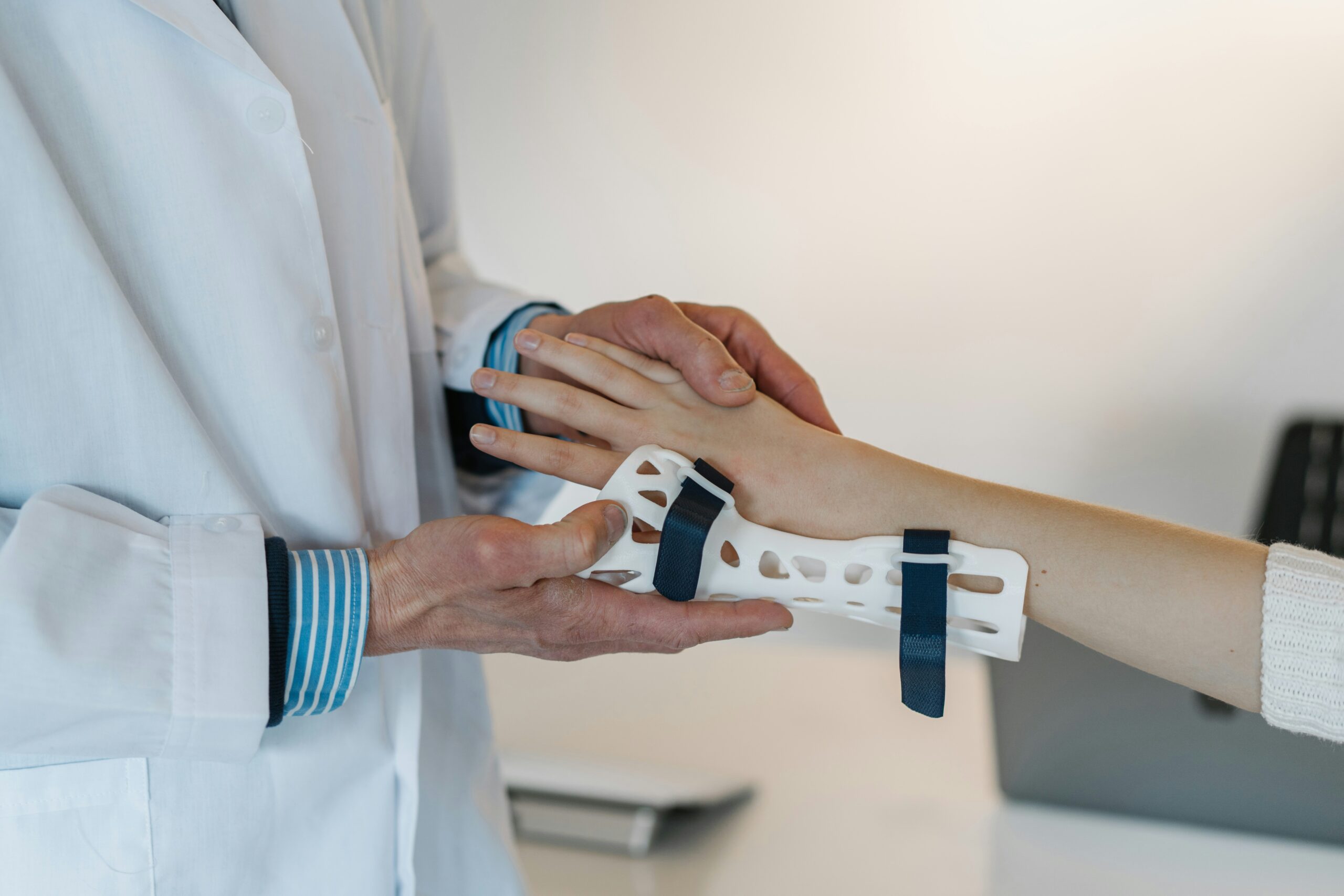
Common orthopedic reasons
- Complex fractures that require specialized fixation or staged reconstruction
- Nonunion (a fracture that has not healed) or malunion (healed in a poor position)
- Angular or rotational deformities affecting gait, joint wear, or function
- Post-traumatic complications (stiffness, instability, hardware failure, chronic pain)
- Bone infection (osteomyelitis) requiring debridement and reconstruction
- Revision surgery after previous procedures did not achieve a stable outcome
Why Turkey specifically?
- Faster access to specialist consultations and operating schedules
- Specialist availability in major private hospitals that routinely treat international patients
- Bundled care coordination (hospital stay, imaging, rehab planning, translation support)
- Clearer package-style pricing compared to open-ended billing environments
Surgery Steps
How Orthopedic Limb Reconstruction in Turkey Works (Step-by-Step)
Pre-op planning (the part most people underestimate)
Surgery day (correction + stabilization)
Early healing phase (monitoring and mobilization)
Rehabilitation and functional rebuilding
Follow-up imaging and decision points
Pre-op planning (the part most people underestimate)
A reconstruction specialist typically evaluates:
- Standing alignment imaging (often full-length X-rays)
- Joint health (hip/knee/ankle or shoulder/elbow/wrist depending on limb)
- Range of motion and soft-tissue flexibility
- Nerve and blood vessel status
- Bone quality, infection status (if relevant), and overall medical fitness
- A realistic function-first plan (what improvement is achievable and what risks exist)
Surgery day (correction + stabilization)
Depending on your condition, surgery may include:
- Controlled bone correction (e.g., osteotomy for alignment)
- Repair/reconstruction of nonunion
- Removal/replacement of failed hardware
- Stabilization using an internal implant, external fixator, or a combined approach
Early healing phase (monitoring and mobilization)
In the first days after surgery, the team focuses on:
- Pain control and swelling management
- Safe early movement and transfers
- Blood clot prevention strategy
- Wound care education
- A physiotherapy plan that starts early (often within days)
Rehabilitation and functional rebuilding
Rehab is not “optional add-on”—it is part of the treatment. High-quality plans specify:
- PT frequency and milestones
- Range-of-motion protection vs progression
- Weight-bearing rules (which can change as healing is confirmed)
- Home exercise program and safety precautions
Follow-up imaging and decision points
Reconstruction typically requires repeat imaging to confirm:
- Bone healing progress
- Alignment stability
- Hardware position
- Joint function improvements (and early identification of stiffness)
Techniques
Techniques & Devices: External Fixator vs Internal Nail vs Hybrid
External Fixators (circular frames / spatial frames / monolateral systems)
Where they shine
- Complex multi-plane deformity correction
- Challenging revision cases
- Situations where staged correction and adjustability are valuable
- Some infection scenarios where internal hardware is avoided early
Trade-offs
- Pin/wire sites require daily care
- Pin-tract irritation or infection can occur and must be managed promptly
- Joint stiffness risk increases when rehab is inconsistent
- The device is visible and can affect daily comfort
Internal Fixation (intramedullary nails, plates, screws)
Where it fits
- Many fracture reconstructions and nonunions
- Alignment corrections that don’t require external adjustability
- Patients who benefit from less external hardware for comfort and mobility
Trade-offs
- Not every anatomy or prior surgery history is compatible
- Deep infection risk is a serious consideration (especially with prior osteomyelitis)
- Revision complexity can increase if hardware fails or bone healing is delayed
Hybrid approaches (combined staged strategies)
- To balance adjustability, stability, and comfort
- To manage complex cases in stages, especially revisions
What Can Be Corrected? (Alignment, Stability, Function)
- Improved alignment to reduce abnormal joint loading
- Better stability for safer walking and transfers
- More predictable bone healing in nonunion cases
- Reduced pain caused by mechanical problems (not all pain is mechanical—good surgeons clarify this)
- Improved range of motion and gait mechanics with rehab
Timeline & Recovery: How Long Does It Take?
Factors that influence recovery
- Diagnosis type
- Bone involved
- Fixation method
- Soft-tissue condition
- Your rehab consistency
Typical recovery phases (high level)
- Early phase (days–weeks): wound healing, swelling control, safe mobility training
- Rebuild phase (weeks–months): strength, balance, gait retraining, progressive function
- Return-to-activity phase (months+): depends on confirmed healing and restored mechanics
Work and travel planning
- Desk work may be possible earlier with accommodations, but PT and mobility limits matter.
- Physical jobs typically require longer recovery windows.
- Your surgeon should advise how long you need to remain in-country for early checks—especially if your case requires close monitoring.
Is Orthopedic Limb Reconstruction in Turkey Safe? (Risks, Complications, and How to Reduce Them)
It can be safe when done in the right facility with the right team, but this is high-stakes orthopedics—not a minor procedure.
Potential complications (not exhaustive)
- Infection (superficial or deep)
- Blood clots (DVT/PE)
- Joint stiffness/contracture
- Nerve irritation or injury
- Delayed healing or nonunion
- Hardware issues (loosening, breakage, loss of correction)
- Ongoing pain if the primary pain driver isn’t mechanical
What increases risk?
- Smoking/nicotine use
- Poor baseline flexibility or severe stiffness
- Uncontrolled diabetes or poor circulation
- Inadequate physiotherapy
- Weak follow-up structure (especially for international travel)
- Rushing rehab milestones or ignoring weight-bearing rules
Risk-reduction checklist
In the first days after surgery, the team focuses on:
- Choose a surgeon who routinely does limb reconstruction/deformity correction (not occasionally)
- Confirm your PT plan before surgery (frequency, milestones, who coordinates it)
- Ask how complications are handled during your stay and after you return home
- Make sure the hospital can manage escalation (imaging access, ICU availability if needed)
- Optimize health: nutrition, sleep, and stop nicotine well before surgery
Age Limit and Candidacy
Stronger candidacy signals
- Stable, healthy joints (or a clear plan if joint disease exists)
- Good bone quality and reasonable healing potential
- Good baseline range of motion—or a realistic plan to restore it
- Ability to commit to long-term rehab and follow-up
- Clear understanding of staged plans and timelines
Higher-risk profiles (need careful evaluation)
- Poor circulation or neuropathy
- Uncontrolled medical conditions
- Active infection without a defined staged plan
- Severe stiffness that limits rehab progress
- Inability to access consistent PT after returning home
Practical Tips
Pain, Mobility, Scars, and Day-to-Day Life
Does it hurt?
Pain can be managed, but it’s not trivial. Clinics should provide a clear plan for:
- Medication strategy
- Swelling control
- Sleep and positioning
- PT pacing so you progress without triggering setbacks
Mobility
Expect a period of:
- Assistive device use (crutches/walker/wheelchair depending on plan)
- Home setup modifications
- Frequent PT appointments and home exercises
- Imaging follow-ups to confirm healing and safety
Scars
- External fixation: small pin/wire scars can remain
- Internal fixation: surgical incisions vary by approach and hardware
Before Surgery
- Diagnosis and primary complaint (pain, instability, gait limitation)
- Imaging-based baseline (alignment and healing status)
Marketing Red Flags
- Only glamour photos, no imaging or functional details
- No discussion of rehab demands
- Unrealistic timelines (“back to normal in a few weeks” for complex reconstruction)
Before and After: What “Real Results” Should Show
Photos alone don’t show what matters in orthopedics: function, alignment, healing, and stability.
After Surgery
- Procedure performed and fixation method used
- Rehab plan and milestones
- Complications (if any) and how they were managed
- Functional outcomes: walking, stairs, endurance, joint motion
- Follow-up imaging showing healing and maintained correction
Orthopedic Limb Reconstruction in Turkey Cost
What affects cost
- Procedure type (nonunion repair vs deformity correction vs revision)
- Fixation method and implant choice
- Hospital length of stay and need for special monitoring
- Imaging frequency and lab work
- Physiotherapy sessions included vs pay-as-you-go
- Whether infection management or staged surgery is needed
- Follow-up structure and complication policy
What to demand in a quote (apples-to-apples)
- What’s included: surgeon/anesthesia/hospital stay/implants/imaging/medications/PT
- Assumed complexity (what diagnosis and steps the quote is based on)
- What triggers extra charges (ICU, additional imaging, extended stay, revision steps)
- Post-discharge plan: number of follow-ups, remote check-ins, and documentation provided
- Clear policy for complications and revision needs
Choosing the surgeon
Choosing the Right Orthopedic Surgeon/Clinic (High-Stakes Checklist)
Look for a limb reconstruction / deformity correction specialist, not just a general orthopedist.
Questions to ask in consultation
- How many complex reconstructions like mine do you do per year?
- What are the top 3 complications you see in cases like mine—and how do you prevent them?
- Who manages care after discharge (and after I return home)?
- What imaging schedule will you use to confirm healing and stability?
Facility checklist
- Accredited hospital with modern imaging access
- Multidisciplinary support (infectious disease, vascular, plastics if needed)
- ICU availability for higher-risk patients
- International patient team (translation, logistics, discharge planning)
Documents you should receive
- Written treatment plan and timeline
- Rehab protocol and restrictions
- Follow-up imaging plan
- Emergency contact pathway
- Itemized inclusions/exclusions for cost


