
Carpal Tunnel Surgery Turkey
Carpal tunnel syndrome (CTS) happens when the median nerve is compressed as it passes through the carpal tunnel in the wrist.
Trusted by 1000+ patients
Carpal Tunnel Surgery Procedure Guide
Common symptoms
- Numbness/tingling in the thumb, index, middle, and part of the ring finger
- Symptoms that are worse at night or wake you up
- Hand weakness or dropping objects
- Pain that may radiate toward the forearm
- In advanced cases: reduced thumb strength and visible muscle wasting at the base of the thumb
Why it happens
CTS can be linked to:
- Repetitive wrist use or sustained wrist flexion/extension
- Swelling/inflammation around tendons
- Pregnancy-related fluid retention
- Diabetes, thyroid disorders
- Rheumatoid arthritis and other inflammatory conditions
- Anatomy and genetics (some people naturally have a smaller carpal tunnel)
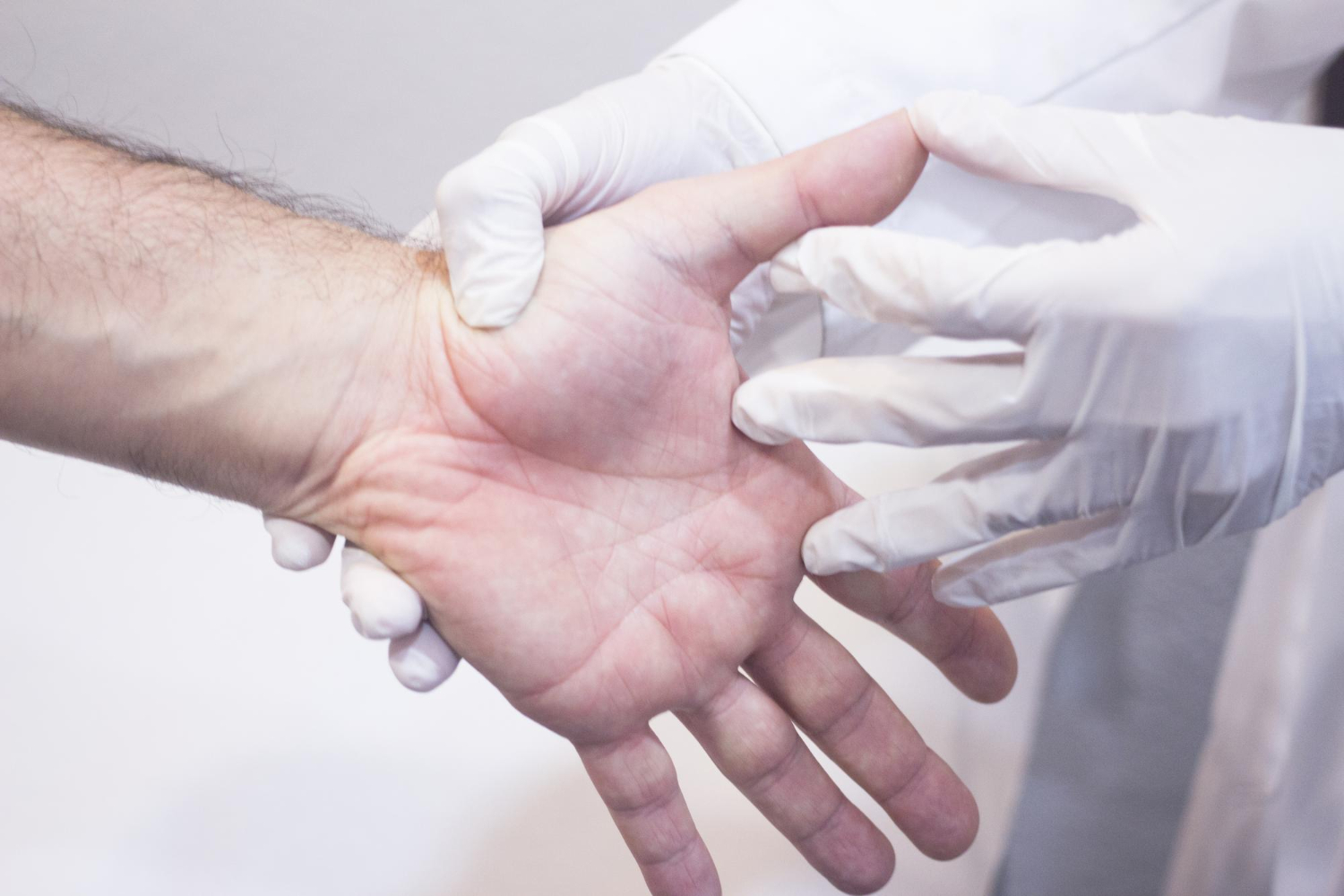

What Is Carpal Tunnel Surgery?
Carpal tunnel surgery (also called carpal tunnel release) is a procedure that cuts the transverse carpal ligament to create more space in the tunnel, reducing pressure on the median nerve.
Goal: Reduce numbness/tingling and pain, protect nerve function, and improve hand use.
When Is Surgery Recommended?
Many patients try non-surgical options first. Surgery is typically considered when:
- Symptoms persist despite splinting, activity changes, medications, or injections
- There is ongoing night numbness/pain affecting sleep
- You develop weakness, reduced grip, or thumb muscle changes
- Nerve testing and clinical findings suggest significant compression


Open vs Endoscopic Carpal Tunnel Release
Open carpal tunnel release
- A small incision is made in the palm/wrist area
- The ligament is released under direct visualization
- Often chosen for its simplicity and clear access
Endoscopic carpal tunnel release
- Uses a small camera and specialized instruments
- Often involves smaller skin incisions
- Some patients return to certain activities earlier, but candidacy depends on anatomy and surgeon preference
How Long Does Carpal Tunnel Surgery Take?
In many cases, the procedure itself is short (often around 10–20 minutes), but your overall hospital/clinic time is longer because it includes:
- Check-in and pre-op preparation
- Anesthesia/sedation setup (if used)
- Recovery observation and discharge instructions

How Carpal Tunnel Surgery Works (Step-by-Step)
Pre-op evaluation
Your surgeon may review:
- Symptoms and functional limitations
- Physical examination findings
- Imaging (if needed) and/or nerve conduction/EMG results
- Medical conditions that affect healing (diabetes, smoking, inflammatory disease)
Surgery day
- The carpal tunnel ligament is released (open or endoscopic)
- The incision is closed and dressed
- Most cases are outpatient (same-day discharge)
Early recovery phase
- Hand is bandaged, swelling control begins
- Gentle finger motion starts early to prevent stiffness (based on surgeon instructions)
What to Expect After Carpal Tunnel Surgery
The first 24–72 hours
- Swelling and soreness are common
- You’ll be advised to keep the hand elevated
- Finger motion is usually encouraged to reduce stiffness
- You’ll receive guidance on wound care and activity limits
The first 1–2 weeks
- Dressing/bandage care continues
- Stitches may be removed around this window (varies)
- Many people start using the hand for light tasks as comfort allows
After the first few weeks
- Grip strength and wrist comfort improve gradually
- Scar sensitivity or “pillar pain” (aching near the heel of the palm) may occur and typically improves over time
- Some patients benefit from hand therapy to regain strength and reduce sensitivity
Carpal Tunnel Surgery Recovery Time
Recovery varies based on:
- How severe the nerve compression was
- Diabetes or inflammatory conditions
- Whether your job is desk-based or physically demanding
- Your adherence to rehab and activity guidance
Typical planning milestones
- Daily activities: many people resume light daily tasks within days
- Desk work: commonly within 1–2 weeks (if comfortable)
- Driving: often when bandage is off and you can grip safely—commonly around ~2 weeks (varies)
- Heavier lifting / sports: frequently 4–6 weeks or longer depending on comfort and surgeon protocol
- Full comfort and strength: may continue improving for several months.


How to Sleep After Carpal Tunnel Surgery
This is one of the most searched questions—and it matters, because wrist position can trigger symptoms and soreness.
Best sleeping tips
- Elevate your hand on a pillow to reduce swelling
- Keep the wrist in a neutral position (not bent forward/back)
- If your surgeon recommends it, wear the post-op splint at night
- Avoid sleeping with the hand tucked under your body or with the wrist flexed
- If you wake up with throbbing, elevate and gently move your fingers
When to call your surgeon
- Severe increasing pain not controlled by your plan
- Tight bandage feeling with worsening finger swelling, color change, or numbness
- Fever, drainage, or increasing redness around the incision
When to Start Exercise After Carpal Tunnel Surgery
Patients often want a clear timeline. The safest approach is to follow your surgeon/therapist protocol, but most plans include a progression.
Early phase (first days)
- Finger range-of-motion (opening/closing the hand) is often encouraged early
- Gentle hand use for light activities as tolerated
- Focus on swelling control: elevation, pacing, and rest
Mid phase (after wound stability)
- Gentle mobility and tendon/nerve-gliding style exercises may be introduced if recommended
- Scar care may be started when the incision is healed (massage/desensitization guidance)
Strength phase (later weeks)
- Gradual strengthening, grip work, and return-to-sport conditioning
- Heavier lifting typically waits until you can move comfortably and your surgeon clears you


Is Carpal Tunnel Surgery Painful?
Carpal tunnel release is generally well-tolerated, but discomfort is normal.
What patients commonly feel
- Soreness at the incision site
- Aching in the palm (pillar pain)
- Temporary weakness or tenderness when gripping
- Stiffness if motion is avoided too much
- Proper elevation and swelling control
- Gradual hand use
- Hand therapy when needed
- Scar desensitization and massage when cleared
Before and After Surgery
- Night symptoms: sleep quality improvement
- Numbness/tingling frequency
- Grip comfort and hand endurance
- Work capability and daily task ease
- Any scar sensitivity and how long it lasted
- Therapy needs and timeline
Before and After Carpal Tunnel Surgery
When people search “before and after carpal tunnel surgery,” they often want photos—yet the most meaningful outcome is function.
Red flags in marketing galleries
- Only scar photos with no mention of symptoms/function
- “Instant cure” language without describing recovery
- No mention of therapy, restrictions, or variability in outcomes
Risks & Complications
Carpal tunnel surgery is common, but it still has risks.
Potential risks (not exhaustive)
- Infection
- Bleeding or wound healing issues
- Scar sensitivity
- Pillar pain (common complaint in some patients)
- Nerve irritation or persistent numbness
- Stiffness
- Persistent or recurrent symptoms (if compression persists or returns)
- Proper diagnosis and correct surgical technique
- Choosing an experienced hand/wrist specialist
- Following aftercare, activity limits, and therapy guidance
Carpal Tunnel Surgery Cost in Turkey
Cost varies based on:
- Hospital and city
- Surgeon specialization and experience
- Open vs endoscopic approach
- One hand vs both hands (same session vs staged)
- Anesthesia type (local vs sedation)
- Included follow-ups and therapy services
How to compare quotes in Turkey
Ask for a written breakdown that includes:
- Surgeon fee + facility fee + anesthesia
- Medications and dressings
- Follow-up visits and stitch removal
- Whether therapy is included (and how many sessions)
- What happens if you need extra care for prolonged pain, stiffness, or delayed recovery
Choosing the surgeon
Choosing a Surgeon/Clinic in Turkey (Checklist)
If you’re traveling, aftercare planning is as important as surgery.
Questions to Ask
- Are you a dedicated hand/upper extremity specialist or a surgeon who frequently performs CTR?
- Which method is recommended for my case (open vs endoscopic), and why?
- Is this outpatient or will I stay overnight?
- What is the exact week-by-week recovery plan?
- When can I shower, drive, return to work, exercise, and lift weights?
- What is the follow-up schedule if I’m an international patient?
- What support is available if symptoms don’t improve as expected?
Signs of a strong program
- Clear diagnosis process (not “one-size-fits-all”)
- Written aftercare plan
- Structured therapy guidance
- Transparent pricing and inclusions
- Realistic recovery expectations
Frequently Asked Questions
How to sleep after carpal tunnel surgery?
Elevate your hand, keep the wrist neutral, and follow splint instructions if provided. Avoid sleeping with the wrist bent or under your body.
When to start exercise after carpal tunnel surgery?
Expect swelling, incision soreness, and gradual improvement in hand comfort. Many return to light activities quickly, but strength and tenderness can take longer.
What to expect after carpal tunnel surgery?
Expect swelling, incision soreness, and gradual improvement in hand comfort. Many return to light activities quickly, but strength and tenderness can take longer.
How much is carpal tunnel surgery?
Pricing depends on technique, hospital, whether one or both hands are treated, and what’s included in follow-up and therapy. Always request an itemized quote.
How long is recovery from carpal tunnel surgery?
Many people resume light activities within days and desk work within 1–2 weeks, but full strength and comfort can take weeks to months depending on severity and rehab.
Can carpal tunnel symptoms come back after surgery?
In some cases, symptoms can persist or recur, especially if nerve compression was severe, diagnosis was complex, or there are contributing medical conditions.
