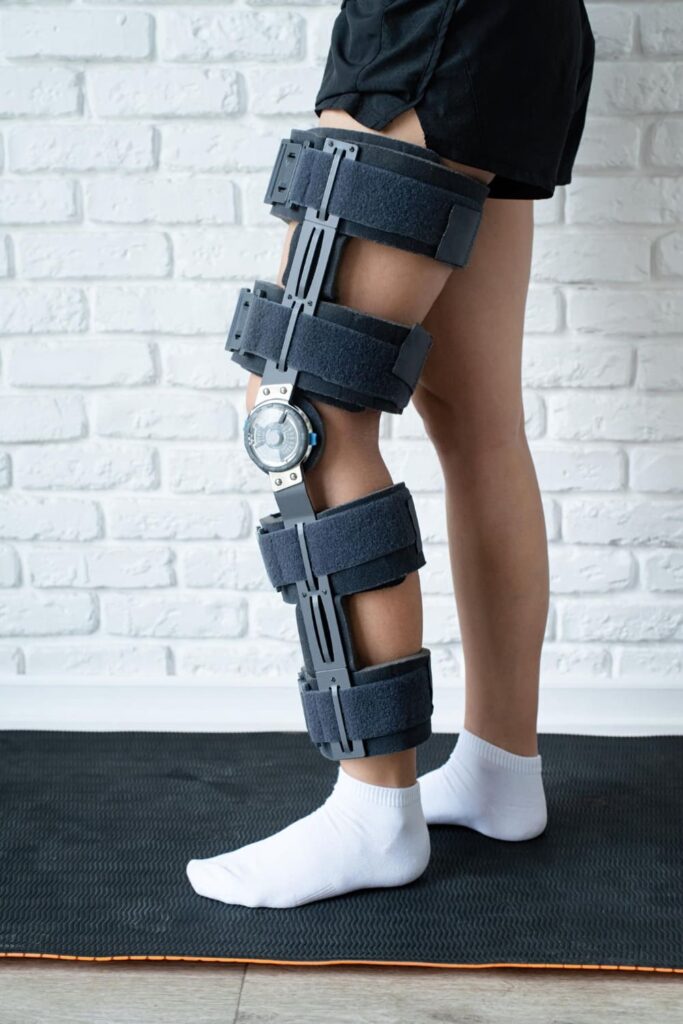
Limb lengthening surgery is a procedure that allows a bone in the body to be gradually lengthened. It is most often performed on the legs, especially the femur or tibia, although in some medical cases it can also involve the arms.
The process works by cutting the bone in a controlled way and then slowly separating the two segments. As the gap opens little by little, the body produces new bone tissue in the space between them. Over time, this new bone hardens and becomes strong enough to support normal function.
Why Do People Choose Limb Lengthening Surgery?
People choose limb lengthening surgery for different reasons, and those reasons generally fall into two categories: medical and cosmetic.
From a medical perspective, the procedure may be used to correct a limb length discrepancy, treat congenital conditions, address deformities, or repair shortening caused by trauma, infection, or growth plate injury. In these cases, the goal is often to improve balance, walking mechanics, posture, and overall function.
From a cosmetic perspective, some people pursue height increase surgery because they want to be taller. Their reasons may include self-confidence, concerns about body proportions, or a long-standing personal desire to change their height. While this is elective rather than medically necessary, it still involves the same demanding process of surgery, healing, and rehabilitation.
Cosmetic Height Surgery vs Medically Necessary Limb Lengthening
Medically necessary limb lengthening is usually recommended to treat a health or functional problem. For example, if one leg is significantly shorter than the other, the difference can affect the way you stand, walk, and move. In those situations, surgery may help restore function and reduce long-term strain on the joints and spine.
- Reduce nerve irritation that contributes to migraine pain.
- Improve blood circulation to the brain.
- Relieve muscle tension in the shoulders and neck.
- Promote better posture, reducing stress on the nervous system.
Cosmetic height surgery, on the other hand, is typically done to increase stature rather than correct a disability or deformity. The procedure may look similar on the surface, but the goals are different. In cosmetic cases, the focus is on height gain and appearance rather than correcting a medical issue.
This difference can affect everything from candidacy to cost. Medically necessary cases may be included in a broader orthopedic treatment plan, while cosmetic cases are generally elective and often paid out of pocket.

How Does Limb Lengthening Surgery Work?
Limb lengthening surgery works through a gradual biological process. The bone is first divided surgically in a controlled manner. After that, a lengthening device is used to slowly pull the bone segments apart.
The body reacts to this slow separation by forming new bone tissue in the gap. This process is called distraction osteogenesis. As long as the lengthening is performed carefully and at the correct rate, the body can continue to generate new bone while surrounding tissues stretch and adapt.
- Lifestyle guidance (stress management, ergonomic tips, and posture correction).
- Stretching and exercise plans to release tension and improve mobility.
- Nutritional advice to identify and reduce migraine-triggering foods.
The process is gradual by design. If the bone is lengthened too quickly, the tissues may not keep up. If it is lengthened too slowly, the bone may begin to heal before the desired length is achieved. That is why regular follow-up appointments and imaging are such important parts of treatment.
The Main Phases of Limb Lengthening Treatment
Limb lengthening does not happen all at once. It takes place in several stages, each with its own purpose.
Surgical Phase
The first phase is the operation itself. During surgery, the doctor cuts the bone and places either an internal or external device to control the lengthening process. This is the starting point for everything that follows.
Distraction Phase
After surgery, there is usually a short waiting period before lengthening begins. Once the distraction phase starts, the bone segments are gradually separated in very small increments each day. This slow movement encourages new bone growth in the gap.
Consolidation Phase
When the target length has been reached, the distraction stops. At that point, the new bone is still immature. During the consolidation phase, the body continues to strengthen and harden the new bone until it becomes more stable.
Rehabilitation Phase
Rehabilitation happens throughout treatment, but it becomes especially important during recovery. Physical therapy helps maintain joint movement, muscle strength, balance, and walking ability. Without consistent rehab, stiffness and weakness can become major challenges.
Limb Lengthening Surgery Techniques
There is more than one way to perform limb lengthening surgery. The right method depends on your anatomy, goals, medical history, and the surgeon’s experience.
External Fixation
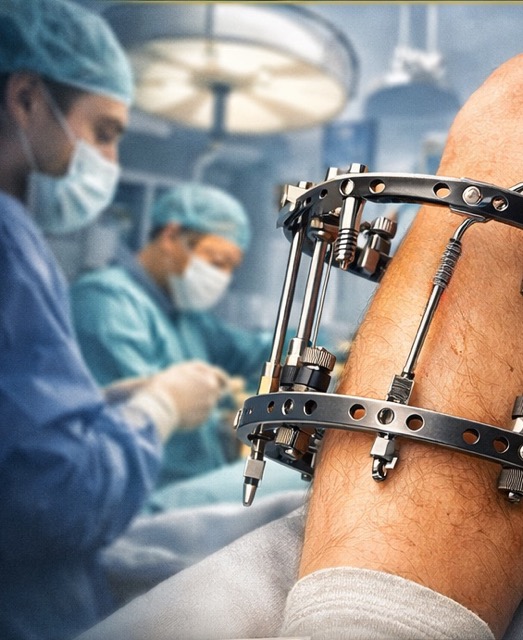
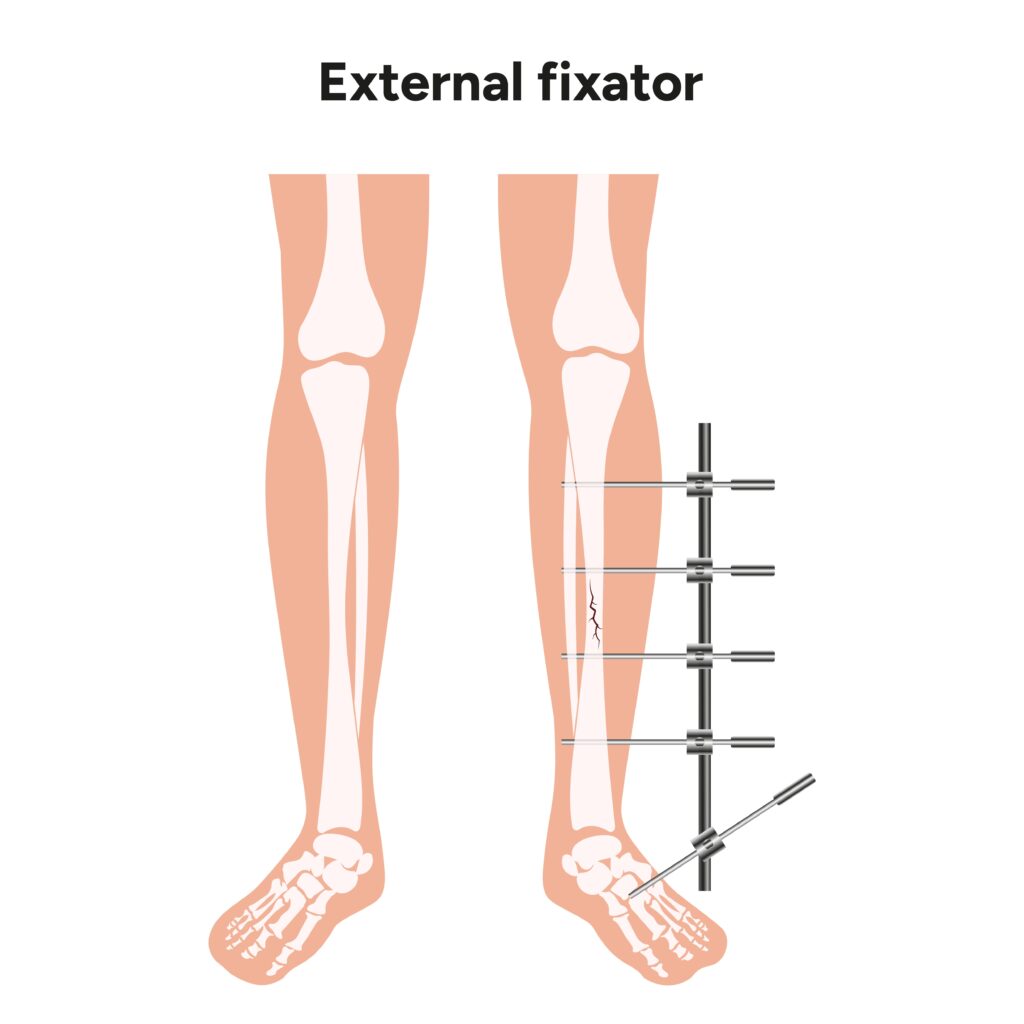
External fixation uses a frame outside the body connected to the bone with pins or wires. The device allows controlled, gradual separation of the bone segments.
This method has been used for many years and can be effective in complex cases, especially when deformity correction is also needed. However, it comes with visible hardware, regular pin site care, and often a higher day-to-day burden during recovery. Some patients also find external devices less comfortable and less convenient in daily life.
Internal Lengthening Nails
Internal lengthening nails are placed inside the bone. These devices are designed to lengthen gradually without the need for a large external frame. In many modern cosmetic and selected reconstructive cases, this technique is considered more discreet and easier to manage in everyday life.
Because the device is internal, many patients prefer it for comfort and appearance. Still, internal nails are not right for everyone. Bone size, alignment, and other anatomical factors can affect whether this option is possible.
Combined or Hybrid Techniques
In some situations, surgeons may use a combination of approaches. This may occur when a case involves both lengthening and deformity correction, or when the treatment plan requires more flexibility than a single device can provide.
How Many Inches Can Limb Lengthening Surgery Add?
In general, limb lengthening has limits. The goal is not simply to maximize inches gained at any cost. The more the bone is lengthened, the more strain is placed on muscles, nerves, joints, and soft tissues. Because of that, safe lengthening is usually planned within a specific range rather than pushed to the limit.
Some patients may achieve a modest increase, while others may be candidates for a larger gain over one or more stages. The key point is that realistic planning matters. Safe, functional results are more important than chasing an extreme number.
Who Is a Good Candidate for Leg Lengthening Surgery?
A good candidate for leg lengthening surgery is:
- Someone in good general health
- Physical readiness
- Mental and emotional readiness.
- Realistic expectations, can commit to months of recovery.
- Prepared to follow a structured rehabilitation plan.
In medical cases, candidacy may depend on the severity of the limb difference or deformity and how much it affects function. In cosmetic cases, candidacy often depends on physical suitability, psychological stability, and a clear understanding of the risks and limitations.
Who May Not Be a Good Candidate?
Not everyone is a good fit for this procedure. People with uncontrolled medical conditions, active infections, poor bone quality, or serious circulation issues may face higher risks. Someone with unrealistic expectations may also not be a good candidate, especially if they expect a quick or easy transformation.
What Are the Goals of Limb Lengthening Surgery?
The goals of limb lengthening surgery depend on the reason for treatment, but they generally include improving form, function, or both.
In medical cases, the goals may include correcting limb length discrepancy, improving alignment, restoring balance, reducing pain caused by uneven loading, and helping you walk more naturally. In some cases, surgery also aims to correct deformities or preserve joint health over time.
In cosmetic cases, the goal is usually to increase height. However, even here, the best goal is not just to become taller. A good outcome also means maintaining function, mobility, and body proportion while reducing unnecessary risk.
What Is the Success Rate for Height Surgery?
Success in height surgery can mean different things to different people. For some, success means reaching a specific height target. For others, it means healing properly, walking well, avoiding major complications, or feeling satisfied with the overall experience.
The most important factors affecting outcomes usually include surgeon experience, patient selection, consistent follow-up, and adherence to rehabilitation. Success is rarely about a single number.
Is Limb Lengthening Surgery Painful?
Limb lengthening surgery can be painful. There is the pain from the surgery itself, but there can also be discomfort during the lengthening phase as the body adapts to gradual stretching.
Pain levels vary from person to person. Some people describe the process as manageable but demanding, while others find it physically and mentally exhausting at times. Tight muscles, soreness, stiffness, and pressure are all common concerns during recovery.
Pain management is usually part of the treatment plan and may include medication, physical therapy, stretching, and close monitoring. Even with good pain control, you should still expect the process to be challenging rather than easy.
Is Limb Lengthening Surgery Safe?
Limb lengthening surgery can be safe when it is performed on the right candidate by an experienced team with proper planning and follow-up. However, it is still a major orthopedic procedure, and no responsible explanation should present it as risk-free.
Safety depends on many factors, including your health, the technique used, the length planned, and how carefully recovery is managed. Even when everything is done properly, complications can still happen.
Risks and Possible Complications You Should Know
Like any major surgery, limb lengthening comes with potential complications. These can include:
- Infection
- Delayed bone healing
- Nerve irritation
- Muscle tightness
- Joint stiffness
- Swelling
- Device-related problems.
Some patients may need additional procedures if healing does not go as planned or if the device needs adjustment or removal. There can also be emotional strain during recovery, especially when progress feels slow or daily life becomes more limited than expected.
How Long Does Recovery Take?
Recovery from limb lengthening surgery is usually measured in months, not weeks. The total timeline depends on the amount of length gained, the bone being treated, the technique used, and how your body heals.
There is recovery from the surgery itself, but there is also the longer process of distraction, consolidation, and rehabilitation. Even after the lengthening is complete, the new bone needs time to harden, and the muscles and joints need time to adapt.
When Can You Return to Normal Activities?
Walking may be limited or assisted at first. Return times for work or school vary depending on whether your routine is physically demanding. Driving may not be possible for a period of time, especially if the treated limb impairs safe vehicle control. Exercise and sports usually take longer and must be reintroduced carefully.
What Is Daily Life Like During Limb Lengthening Recovery?
Daily life during recovery can be one of the biggest adjustments. You may need mobility aids, frequent exercises, regular appointments, and help with routine tasks. Even simple activities can feel different for a while.
Physical therapy often becomes a central part of your schedule. Stretching, strengthening, and joint mobility work are essential, not optional. You may also have to plan around pain levels, sleep disruption, transportation needs, and home support.
Emotionally, the process can have ups and downs. Some days may feel productive and encouraging, while others may feel frustrating or slow. Having a realistic mindset and a strong support system can make a major difference.
How Much Does Limb Lengthening Surgery Cost?
The cost of limb lengthening surgery can vary widely depending on the country, clinic, surgeon, technique, and level of follow-up care involved. The total cost is not just the operation itself. It may also include imaging, hospital fees, anesthesia, physical therapy, medication, travel, accommodation, and later procedures such as hardware removal.
How Do You Choose the Right Surgeon or Clinic?
Choosing the right surgeon or clinic is one of the most important parts of the process. You want a provider with strong orthopedic expertise, direct experience in limb lengthening, and a transparent approach to risks, limitations, and recovery.
A good clinic should not only talk about height gain or technical details. It should also explain rehabilitation, possible complications, realistic timelines, and what support you will need after surgery. You should feel informed, not pressured.
It also helps to ask about the team around the surgeon. Limb lengthening often requires coordinated care, including radiology, rehabilitation, nursing support, and structured follow-up. A well-organized team can make a major difference in both safety and overall experience.
Is Limb Lengthening Surgery Worth It?
Whether limb lengthening surgery is worth it depends on your goals, health, budget, pain tolerance, and willingness to commit to a long recovery. For some people, the procedure can be life-changing in a positive way. For others, the process may feel too demanding, too risky, or too costly to justify.
There is no universal answer. What matters is whether the potential benefits realistically outweigh the physical, emotional, and financial demands in your situation.
The best decision is usually an informed one. If you are considering limb lengthening, take time to understand both the opportunity and the burden of the procedure before moving forward.
Frequently Asked Questions About Limb Lengthening Surgery
How many inches can you gain from limb lengthening surgery?
The amount varies by patient, the bone being lengthened, and what is considered safe. Most treatment plans aim for a realistic increase rather than the maximum possible amount.
Is limb lengthening surgery permanent?
Yes, the bone growth achieved through the procedure is intended to be permanent once the new bone fully heals and hardens.
Can both legs be lengthened at the same time?
In many cases, yes. However, whether this is appropriate depends on the technique used, your health, and your surgeon’s plan.
What is the best age for limb lengthening surgery?
There is no single best age for everyone. The right timing depends on bone maturity, health, goals, and whether the surgery is medical or cosmetic.
How long do you need physical therapy after surgery?
Physical therapy is often needed for a significant part of the recovery process. The exact length depends on your healing, mobility, and the amount of lengthening performed.
Can limb lengthening fix uneven legs?
Yes, one of the main medical uses of limb lengthening is correcting limb length discrepancy to improve balance and function.
Is cosmetic height surgery different from reconstructive limb lengthening?
Yes. The surgical principles may be similar, but the purpose is different. Cosmetic surgery focuses on height increase, while reconstructive surgery addresses a medical or functional problem.
Can you walk during treatment?
Some walking may be possible, depending on the technique and your stage of recovery, but it is often limited and closely supervised by your medical team.
Limb-lengthening surgery is a complex procedure that can serve both medical and cosmetic purposes. It works by gradually encouraging new bone growth as the limb is slowly extended. Although it can produce meaningful results, it also demands patience, physical therapy, careful monitoring, and realistic expectations.
If you are considering this treatment, the most important step is to understand the full picture. That means looking beyond the promise of extra height or correction and paying close attention to safety, recovery, cost, and long-term function. The better informed you are, the more confidently you can decide whether limb lengthening surgery is the right path for you.