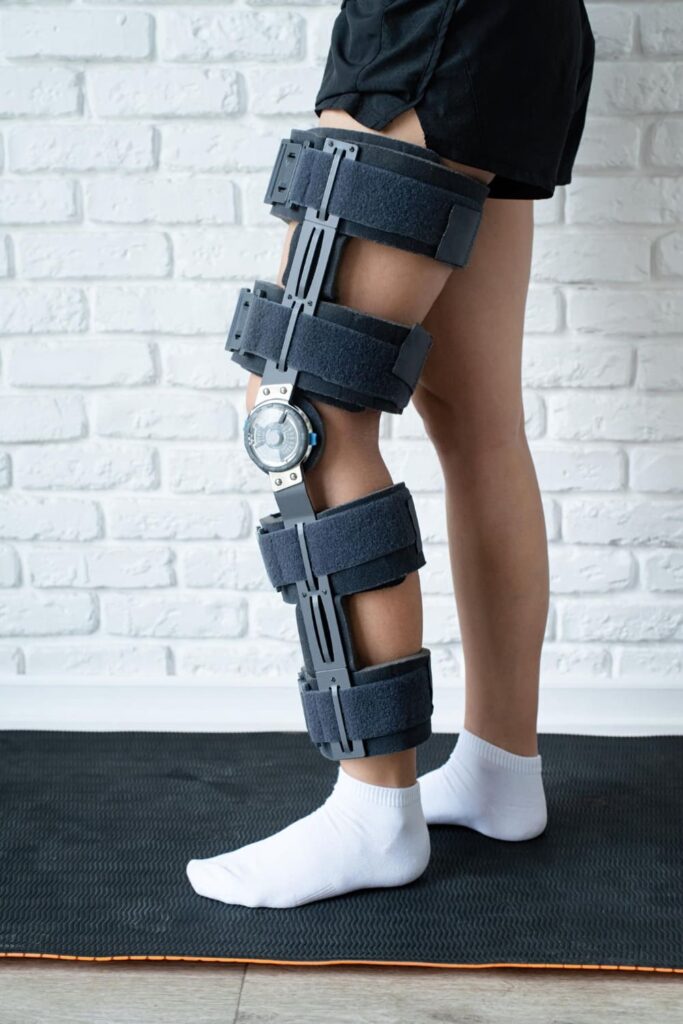
If you are researching limb lengthening to improve height, correct a leg length discrepancy, or address a deformity, one of the first questions you will ask is simple: how long does it take? The answer depends on your goals, your health, the technique used, and how your body responds throughout recovery. Still, there is a general timeline that most patients can follow when planning for limb lengthening surgery.
How Long Does Limb Lengthening Take in Total?
Daily Life During the Distraction Phase
The total length of limb lengthening treatment usually ranges from several months to around a year, and sometimes longer depending on the amount of length gained. The process can be divided into several phases:
- Pre-operative evaluation
- The day of limb lengthening surgery
- Latency phase
- Distraction phase
- Consolidation phase
- Rehabilitation and return to daily life
For many patients, the most important phase to understand is the distraction phase, because this is when the actual length increase happens. Still, every stage of limb lengthening affects the final outcome.
Stage 1: Pre-Operative Planning
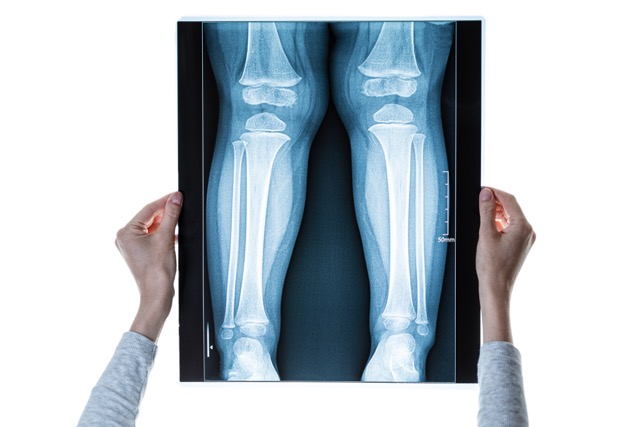
Before limb lengthening surgery, patients go through a detailed evaluation. This may include X-rays, blood tests, physical examination, gait analysis, and a discussion about treatment goals. Surgeons also evaluate bone quality, joint health, muscle flexibility, and your overall medical condition.
This planning stage is essential for understanding whether you are a good candidate for limb lengthening surgery. Questions about limb lengthening surgery age limit often come up at this point. In general, there is no single universal limb lengthening surgery age limit, but candidates should usually have completed bone growth if the goal is cosmetic height increase. For reconstructive cases, the acceptable limb lengthening surgery age limit may vary based on the condition being treated and the surgeon’s judgment.
Stage 2: The Surgery Itself
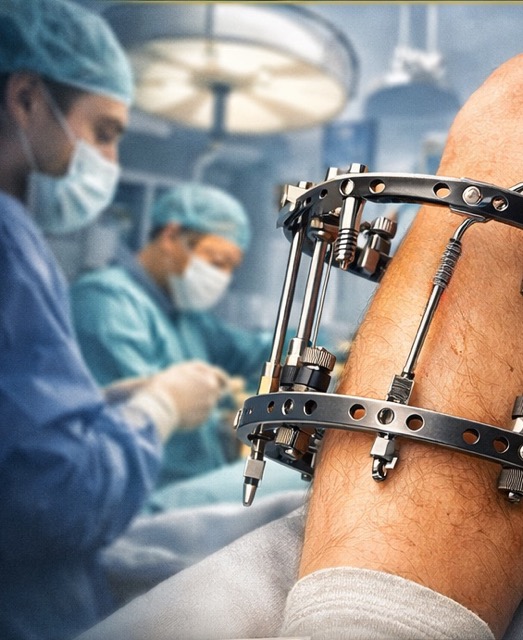
The actual limb lengthening surgery usually takes a few hours, depending on whether one or both legs are treated and whether the femur, tibia, or both are being lengthened. During limb lengthening surgery, the surgeon performs an osteotomy, which means cutting the bone in a controlled way, and then places the internal or external device that will gradually lengthen it.
Although the operation is only one day in the full timeline, it is one of the most important milestones in limb lengthening. Patients often stay in the hospital for a short period afterward so that pain management, early mobility, and initial rehabilitation can begin safely.
At this point, many patients start imagining their limb lengthening surgery before and after transformation. But immediately after surgery, the body is focused on healing. The visible change comes gradually during the next stages of limb lengthening.
Stage 3: The Latency Phase
After limb lengthening surgery, there is usually a short waiting period called the latency phase. This phase often lasts about 5 to 10 days, though the exact timing depends on the surgeon’s protocol and the patient’s healing response.
The purpose of this stage is to give the bone and soft tissues time to begin the natural healing process before active limb lengthening starts. Even though no visible length gain happens yet, this phase is critical because it sets the foundation for successful bone regeneration.
During this time, physical therapy often begins. Gentle movement, stretching, and walking support are important parts of recovery after limb lengthening surgery.
Stage 4: The Distraction Phase Explained
The distraction phase is the core stage of limb lengthening. This is when the device gradually separates the bone segments so new bone can form in the gap. In many cases, the bone is lengthened at a rate of about 1 millimeter per day, often divided into smaller adjustments throughout the day.
So, how long does the distraction phase last?
It depends on the amount of length being targeted. For example:
- 5 cm of limb lengthening may take around 50 days
- 6 cm of limb lengthening may take around 60 days
- 8 cm of limb lengthening may take around 80 days
This is why understanding the distraction phase is so important when planning your limb lengthening surgery journey. The desired height increase directly affects the timeline.
However, the distraction phase is not just about bone growth. Muscles, nerves, tendons, ligaments, and joints must also adapt. That is why physical therapy is essential during limb lengthening. Tightness, discomfort, and reduced mobility can occur if rehabilitation is not taken seriously.
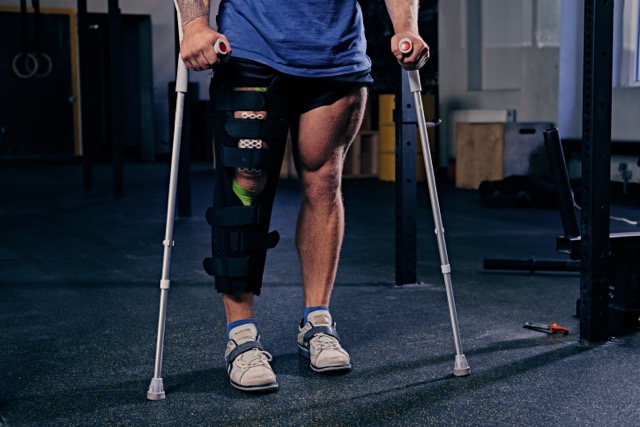
During the distraction phase, your daily routine may revolve around recovery more than usual. You may need walking aids, regular stretching, physical therapy sessions, and frequent follow-up visits to monitor bone growth. Simple activities can take more time, and you may feel tightness, fatigue, or discomfort as your muscles and joints adapt to the lengthening process. This stage is often where patience, consistency, and routine become especially important.
- Reduce nerve irritation that contributes to migraine pain.
- Improve blood circulation to the brain.
- Relieve muscle tension in the shoulders and neck.
- Promote better posture, reducing stress on the nervous system.
Stage 5: Consolidation Phase
Once the target length is reached, the distraction phase ends and the consolidation phase begins. During consolidation, the new bone hardens and becomes strong enough to support normal activity over time. In many ways, this stage takes longer than the active limb lengthening period.
A common rule is that consolidation may take roughly 1 to 2 months per centimeter, although it varies by age, bone health, technique, and individual healing ability. This means someone who achieves 6 cm of limb lengthening may need several additional months for the new bone to mature fully.
The consolidation phase can test a patient’s patience because the height gain has already been achieved, but the body still needs time to heal. This is also where realistic expectations matter. A successful limb lengthening surgery before and after result is not created overnight. The final outcome is built over months of steady recovery..
Stage 6: Rehabilitation and Return to Daily Life
Recovery after limb lengthening surgery does not end when the bone reaches the target length. Ongoing rehabilitation helps restore strength, flexibility, balance, and walking mechanics. Some patients return to desk-based work relatively early, while others need longer depending on pain levels, mobility, and the demands of their job.
The total time to resume sports or intense physical activity is usually longer than the time needed for simple daily movement. In most limb lengthening cases, the full journey requires a long-term commitment.
This is another reason patients should think carefully not only about limb lengthening surgery cost, but also about the time cost, emotional commitment, and rehabilitation demands. The true investment in limb lengthening surgery includes much more than the operation alone.
Emotional and Mental Recovery
Recovery from limb lengthening is not only physical. You may also experience frustration, stress, impatience, or emotional ups and downs during the process, especially when progress feels slow. The long recovery timeline, daily exercises, and temporary limits on independence can be mentally demanding. Having realistic expectations, a strong support system, and regular communication with your medical team can make a big difference throughout recovery.
- Lifestyle guidance (stress management, ergonomic tips, and posture correction).
- Stretching and exercise plans to release tension and improve mobility.
- Nutritional advice to identify and reduce migraine-triggering foods.
Factors That Affect the Timeline
Not all limb lengthening journeys are identical. Several factors can speed up or slow down the process:
Several factors can delay recovery after limb lengthening, including slow bone healing, joint stiffness, muscle tightness, infection, nerve irritation, or missed rehabilitation sessions. In some cases, the body may need more time to form strong new bone, which can extend the overall treatment timeline. This is why close follow-up, early problem reporting, and consistent physical therapy are so important for a smoother recovery.
1. Amount of Lengthening
More centimeters require a longer distraction phase and a longer consolidation phase. This directly impacts the overall limb lengthening surgery timeline.
2. Bone Being Lengthened
Femur and tibia limb lengthening may heal differently, and some bones may tolerate certain rates of distraction better than others.
3. Age and Healing Response
Questions about limb lengthening surgery age limit are important because age can influence healing speed. While there is no fixed limb lengthening surgery age limit for every patient, younger adults often heal faster than older adults. Still, eligibility is based on overall health and bone maturity more than a simple number.
4. Surgical Technique
Internal nail systems and external fixators can have different recovery experiences. The chosen method for limb lengthening surgery may affect comfort, rehabilitation, and total treatment time.
5. Compliance With Physical Therapy
Patients who stay consistent with rehabilitation often do better during limb lengthening and may avoid some complications that delay recovery.
6. Complications
Delayed bone healing, infection, nerve irritation, joint stiffness, or alignment concerns can lengthen the recovery timeline after limb lengthening surgery.
Lifestyle Factors That Influence Healing
Your lifestyle can have a major effect on how well and how quickly you heal after limb lengthening surgery. Smoking can interfere with blood flow and bone regeneration, while poor nutrition may limit your body’s ability to rebuild tissue effectively. Good sleep, proper hydration, a balanced diet, and staying consistent with rehabilitation can all support better healing. Healthy daily habits may not replace medical treatment, but they can play an important role in recovery.
Is There an Age Limit?
The issue of limb lengthening surgery age limit deserves careful attention. There is no one-size-fits-all limb lengthening surgery age limit, but surgeons generally prefer that cosmetic patients have completed skeletal growth. For reconstructive cases, the ideal timing may differ.
The practical discussion around limb lengthening surgery age limit usually focuses on these questions:
- Are the growth plates closed?
- Is the patient healthy enough for surgery?
- Is bone quality sufficient?
- Can the patient commit to rehabilitation?
- Are expectations realistic?
So while people often search for a strict limb lengthening surgery age limit, the reality is more nuanced. A patient’s physical and psychological readiness matters just as much as age itself. The best way to understand limb lengthening surgery age limit for your case is through a personalized orthopedic consultation.
Final Thoughts
So, how long does limb lengthening take? In most cases, it is not a quick procedure but a staged process that can last many months. The surgery happens in a day, the distraction phase lasts weeks to months depending on the target, and the consolidation phase often continues for several more months after that.
The key takeaway is this: successful limb lengthening surgery requires time, planning, and commitment. If you are considering limb lengthening, you should understand not only the promise of added height but also the full recovery timeline, the importance of physical therapy, the realities of limb lengthening surgery cost, and the role of surgeon experience in limb lengthening surgery success rate.