If you are considering height surgery, one of the most important questions you will probably ask is how long recovery takes. While many people focus on how much height they may gain, the recovery process is just as important as the procedure itself. Understanding the timeline helps you prepare for the physical, emotional, and practical side of treatment.
Height surgery is not a quick procedure with instant results. It is a gradual process that includes surgery, a period of controlled bone lengthening, and several months of healing and rehabilitation. Whether you are researching height increase surgery, height lengthening surgery, or height increasing surgery, it is important to know that recovery requires patience, consistency, and close medical follow-up.
How Long Does Limb Lengthening Take in Total?
What Is Height Surgery?
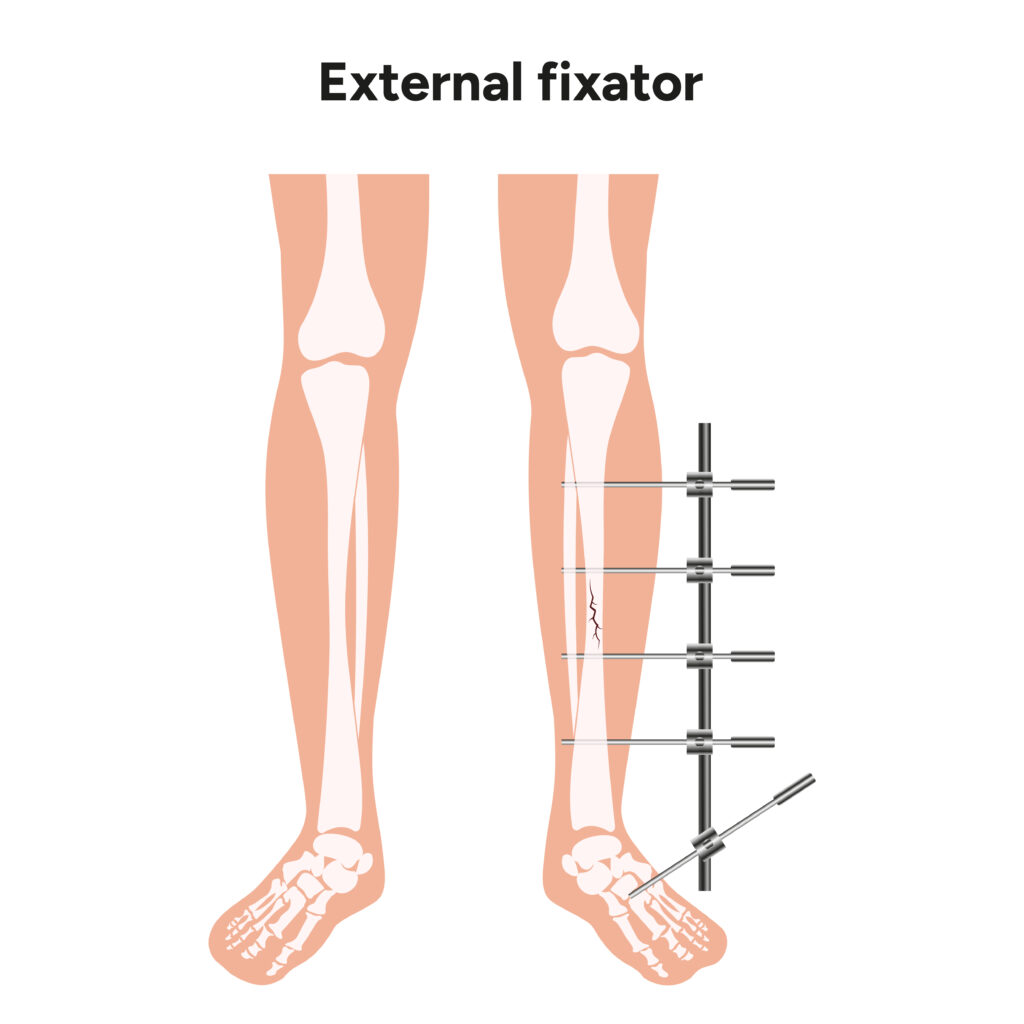
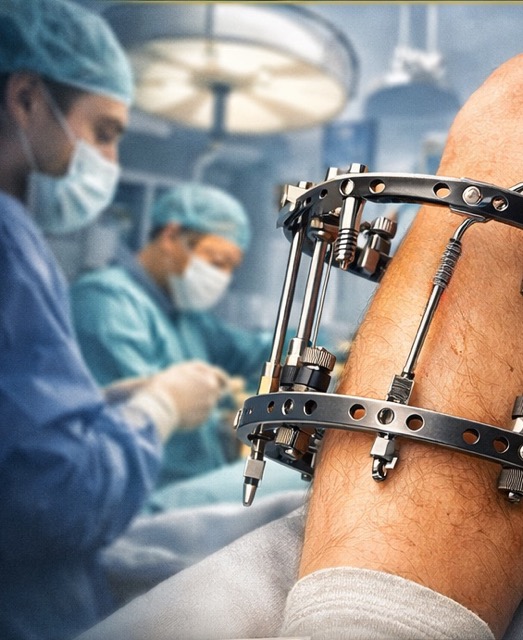
Height surgery refers to a limb lengthening procedure that increases the length of the legs, usually through the femur, the tibia, or both over time. During surgery, the bone is carefully cut and stabilized with a device that allows gradual lengthening. As the bone segments are slowly separated, the body forms new bone tissue in the gap.
People choose height increase surgery for different reasons. Some want to improve their height for cosmetic reasons, while others may need treatment for a leg length difference or a deformity. No matter the reason, the recovery process for height lengthening surgery is a major part of the overall journey.
Pre-Surgery Preparation
Before height surgery, preparation is an important part of the process. You may need imaging tests, bloodwork, a physical exam, and detailed discussions with your surgeon about your goals and expected recovery. It is also helpful to prepare your home, work schedule, and support system in advance, since mobility may be limited during the early stages of recovery. Going into height increase surgery with a clear plan can make the recovery period more manageable and less stressful.
How Long Does Recovery Take After Height Surgery?
The recovery time after height surgery varies from person to person, but most patients should expect the full process to take several months to a year or more. The exact timeline depends on how much length is being gained, which bone is being lengthened, the surgical method used, and how well your body heals.
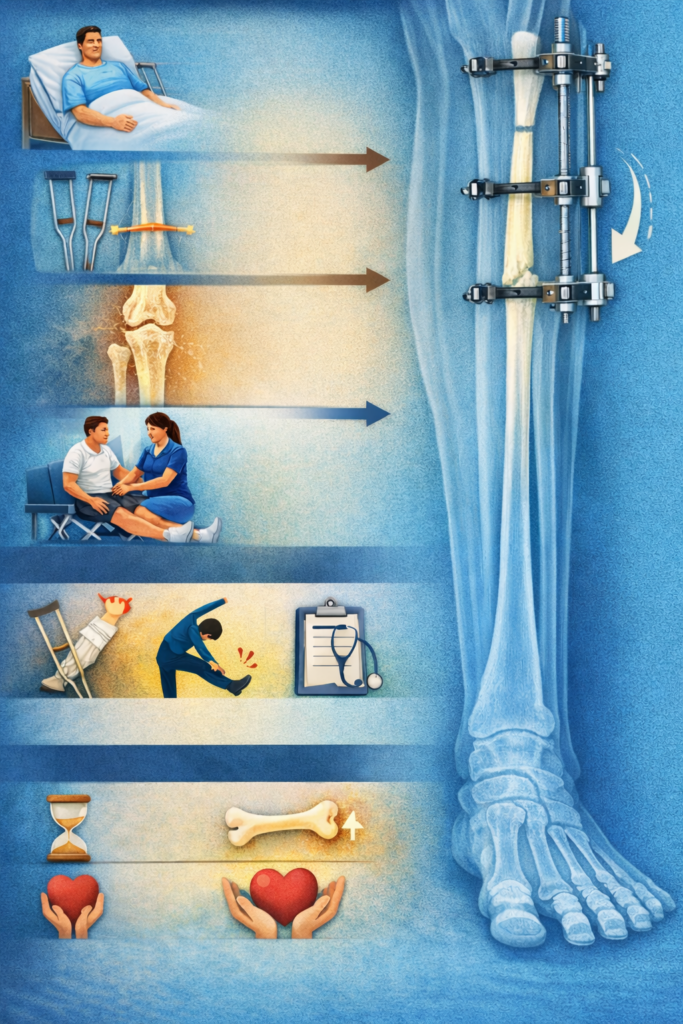
A basic recovery timeline often looks like this:
- Initial recovery after surgery: 1 to 2 weeks
- Distraction or lengthening phase: around 2 to 3 months, sometimes longer
- Consolidation or bone healing phase: several more months
- Rehabilitation and return to full activity: can continue for many months after the target height is reached
This means that while the actual operation may only happen in one day, recovery from height increasing surgery is much longer and involves several stages.
The First Days After Surgery
The first stage of recovery begins immediately after height surgery. Most patients stay in the hospital for a short period so the medical team can monitor pain, mobility, and early healing. During this time, you may begin gentle movement and basic physical therapy.
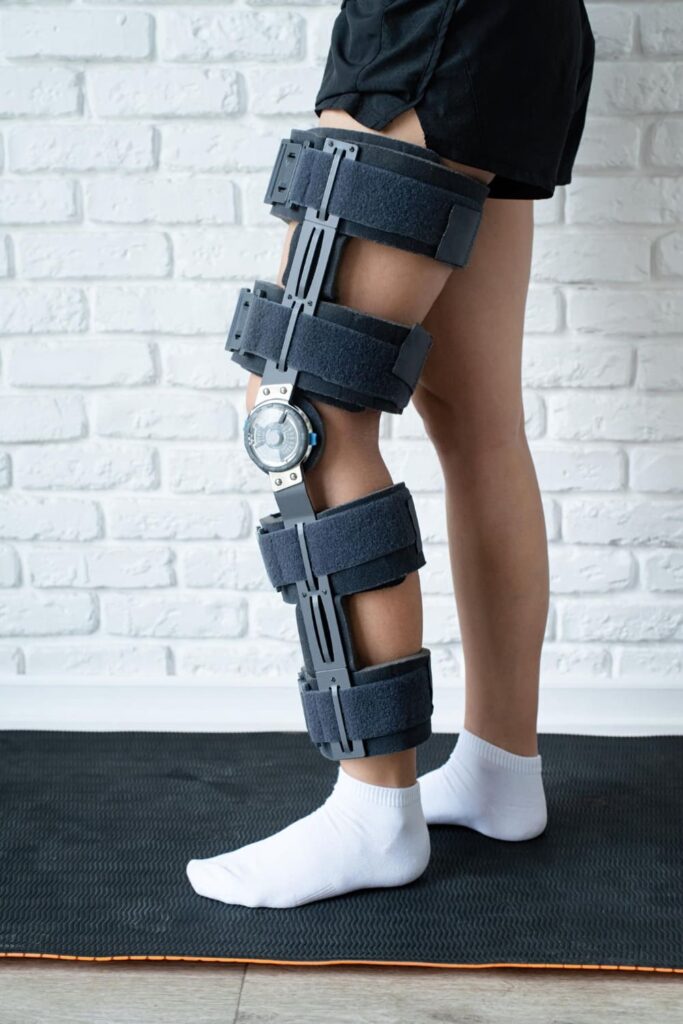
Pain and discomfort are common in the first few days, but they are usually managed with medication and careful supervision. You may also need walking aids such as crutches or a walker. The goal in this early phase is to protect the surgical area while starting safe movement as soon as possible.
This stage is often physically uncomfortable, but it is only the beginning of the overall recovery process for height increase surgery.
Pin Site or Wound Care
Proper pin site or wound care is an essential part of recovery after height lengthening surgery. If an external device is used, the pin sites must be cleaned regularly to reduce the risk of infection. If an internal method is used, the surgical incisions still need careful monitoring while they heal. Keeping the area clean, following all care instructions, and reporting redness, swelling, drainage, or unusual pain early can help support a safer recovery after height surgery.
The Distraction Phase
The distraction phase is the part of height lengthening surgery when the actual increase in bone length takes place. After a short waiting period following surgery, the bone is lengthened gradually, often at a rate of about 1 millimeter per day. This slow pace allows new bone to form between the separated segments.
For example, if you are aiming for 5 centimeters of height gain, the distraction phase may last around 50 days. A larger goal, such as 7 or 8 centimeters, can take much longer. This stage is one of the most demanding parts of height increasing surgery, because the muscles, tendons, nerves, and joints also have to adjust to the new length.
During this period, physical therapy becomes a major part of your routine. Stretching, mobility work, and regular monitoring are essential. Many patients find that this phase affects daily life significantly, as walking, sitting, and simple activities may feel more difficult than usual.
Daily Life During Recovery
Recovery from height surgery changes your daily routine in many ways. You may need help with transportation, household tasks, and physical activities for a period of time. Regular follow-up appointments and rehabilitation sessions also become part of your weekly schedule.
During the lengthening process, you may experience muscle tightness, fatigue, and limited mobility. These effects are normal, but they can be challenging. That is why planning ahead is so important. If you work, study, or have family responsibilities, it helps to think about how recovery from height increase surgery will affect your daily life before you go ahead with treatment.
A desk-based job may be easier to return to sooner, while physically demanding work usually requires a longer break. The exact timing depends on your pain level, mobility, and the advice of your surgeon.
The Consolidation Phase
Once the target height has been reached, the distraction phase ends and the consolidation phase begins. This is when the new bone hardens and becomes stronger. Although the visible height gain is already there, your recovery is far from over.
The consolidation phase often takes longer than patients expect. Your body needs time to turn the newly formed bone into solid, stable bone that can safely support more normal activity. For many people, this takes several additional months after the active lengthening phase ends.
This part of the recovery process is just as important as the earlier stages of height lengthening surgery. If you rush activity too soon or do not follow medical guidance, healing may be delayed. Patience continues to be essential even after the height gain itself has been achieved.
Physical Therapy and Rehabilitation
Physical therapy is one of the most important parts of recovery after height surgery. It helps maintain joint movement, reduce stiffness, improve muscle flexibility, and support safe walking. Without proper rehabilitation, the risk of tightness, reduced mobility, and other complications may increase.
You may need therapy throughout both the distraction and consolidation phases. Exercises often focus on stretching, range of motion, balance, and strength. Your rehabilitation plan may change over time depending on your progress.
Recovery from height increasing surgery is not only about bone healing. It is also about helping your whole body adapt to the new length. This is why patients who stay committed to physical therapy often have a smoother and more successful recovery experience.
What Can Affect Recovery Time?
Several factors can influence how long recovery takes after height surgery. These include:
- The total amount of length gained
- Whether the femur or tibia is being lengthened
- Your age and general health
- Your bone healing speed
- The surgical technique used
- How consistent you are with physical therapy
- Whether any complications occur
Lifestyle also matters. Smoking can interfere with bone healing, while good nutrition, proper rest, and rehabilitation consistency can support recovery. Patients often focus on the surgery itself, but healthy habits can make a meaningful difference during recovery from height increase surgery.
Complications to Watch For
Like any major orthopedic procedure, height increasing surgery can involve complications that may affect recovery time. These can include slow bone healing, infection, joint stiffness, muscle tightness, nerve irritation, or alignment problems. Not every patient experiences these issues, but it is important to know the warning signs and stay in close contact with your medical team. Early attention to complications can make treatment easier and help protect your final result.
Emotional Recovery Matters Too
The emotional side of recovery is often underestimated. Height lengthening surgery is a long process, and progress can sometimes feel slow. You may feel frustrated, tired, or emotionally drained at different points in the journey.
Temporary loss of independence, limited mobility, and the demands of daily rehabilitation can all affect your mood. Having realistic expectations and a strong support system can help. Family support, mental preparation, and clear communication with your medical team are valuable during recovery from height increasing surgery.
When Can You Return to Normal Activities?
Returning to normal life after height surgery happens gradually. Some patients return to desk work earlier in recovery, while sports and high-impact activities usually take much longer. Full recovery depends on bone healing, physical function, and medical clearance.
Even when you feel better, it is important not to push too quickly. Recovery timelines vary, and comparing yourself to others may create unrealistic expectations. The safest approach is to follow the plan provided by your surgeon and rehabilitation team.

Final Thoughts
Recovery after height surgery takes time, effort, and patience. While the procedure itself happens in a short period, the full recovery journey may last many months. The distraction phase, consolidation phase, and ongoing rehabilitation all play a major role in your final result.
If you are considering height increase surgery, height lengthening surgery, or height increasing surgery, it is important to look beyond the operation and understand the full healing process. The better prepared you are, the more confident you will feel throughout recovery. Successful results depend not only on the surgery, but also on your commitment to healing every step of the way.