
Bunion Surgery Turkey
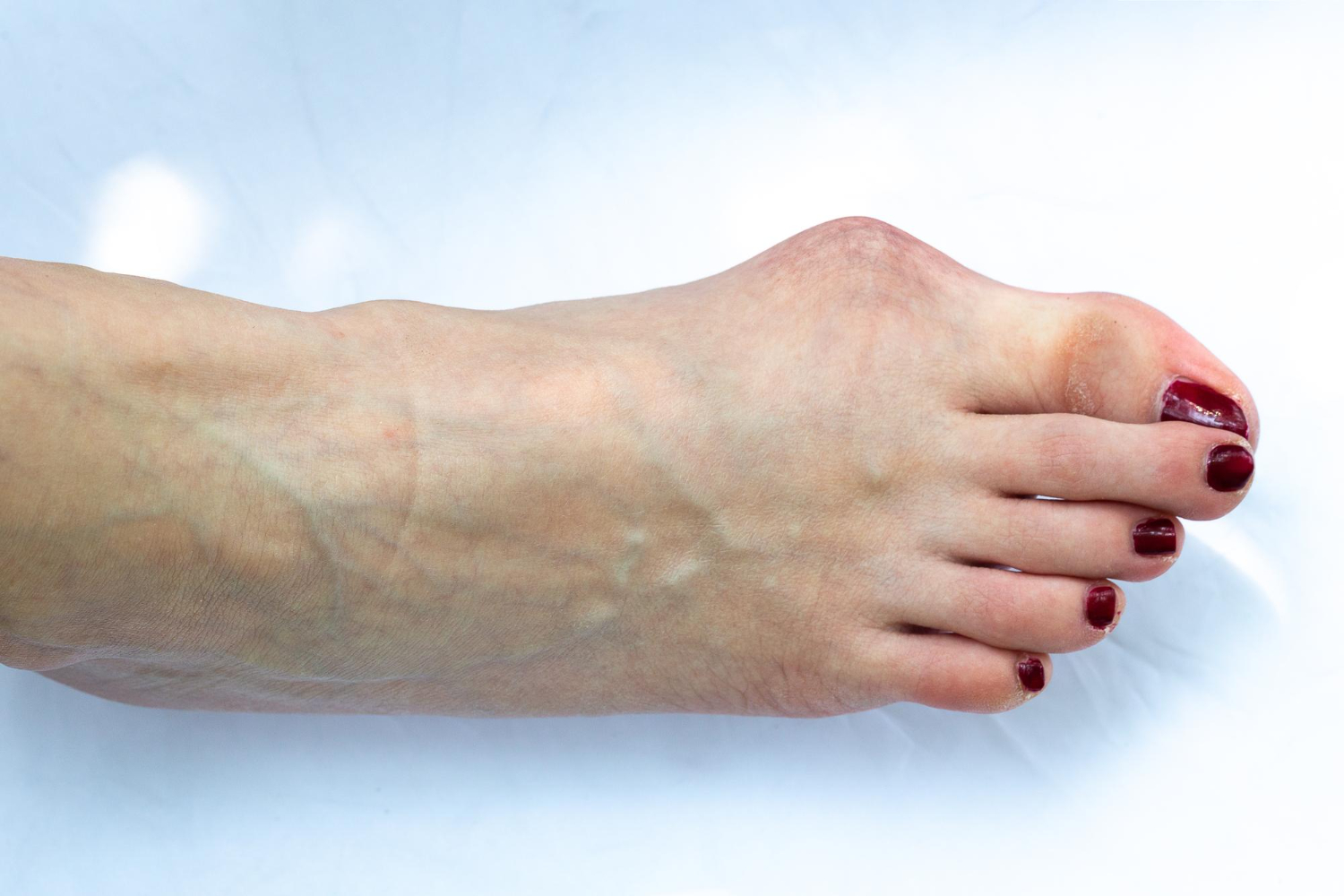
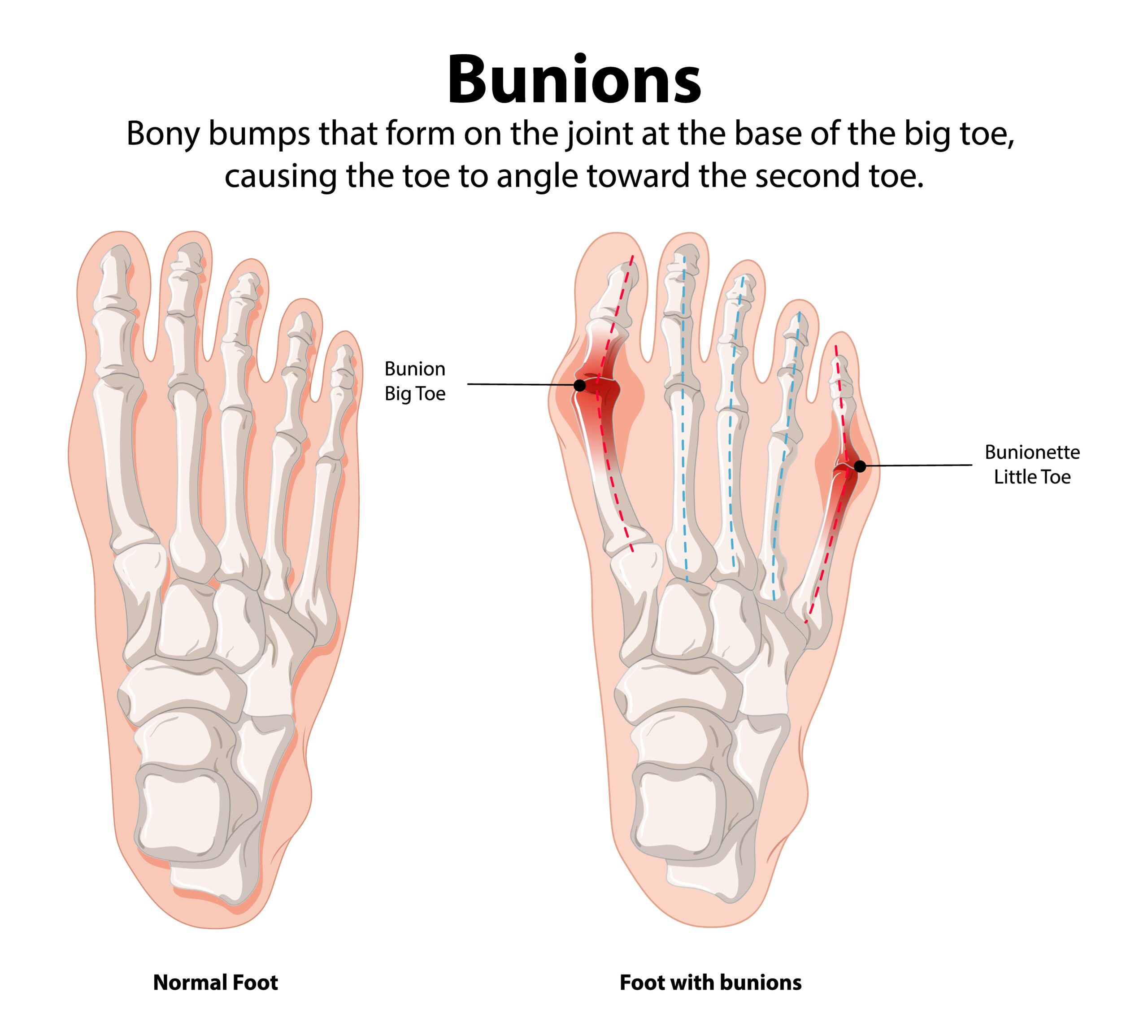
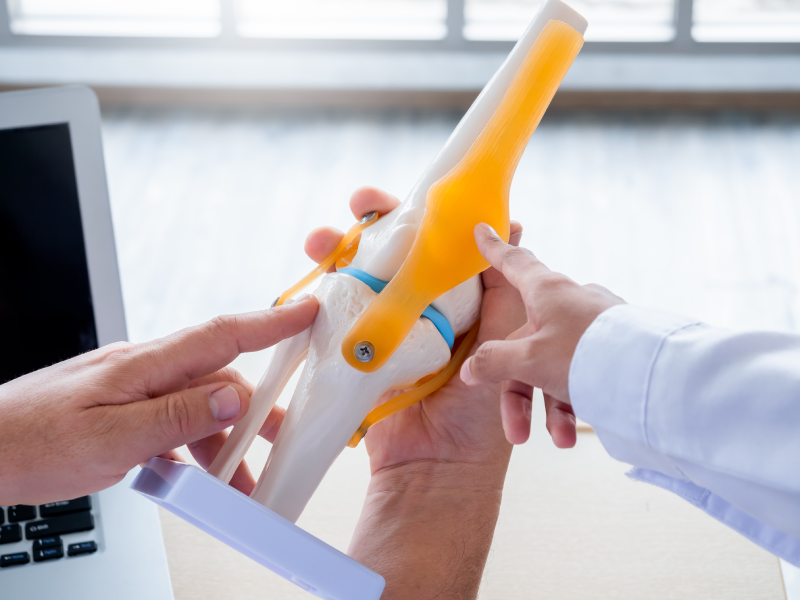
A bunion is a structural deformity at the base of the big toe where the first metatarsal bone shifts outward and the big toe drifts inward toward the other toes. Over time, this creates a prominent bump, pain, irritation, and shoe-fitting problems. Bunions are not simply “extra bone”—they involve joint misalignment and, in many cases, soft tissue imbalance.

Medically reviewed by Dr.Serdar
Written by Kubilay
TABLE OF CONTENT
- What Is Bunion Surgery Turkey?
- When Is Bunion Surgery Recommended (and When Is It Not)?
- Is Bunion Surgery Worth It?
- Minimally Invasive Bunion Surgery vs Traditional Surgery
- Common Bunion Surgery Techniques
- How Bunion Surgery Works (Step-by-Step)
- Bunion Surgery Recovery: Week by Week
- Is Bunion Surgery Painful?
- Bunion Surgery Before and After: What “Real Results” Look Like
- Bunion Surgery Cost in Turkey
- Is Bunion Surgery Covered by Insurance?
- Risks, Complications, and Safety
- Physical Therapy and Exercises After Bunion Surgery
- Choosing a Bunion Surgeon/Clinic in Turkey (Checklist)
- Frequently Asked Questions
Bunion Surgery Procedure Guide
What Is Bunion Surgery Turkey?
- Realigning the big toe and metatarsal
- Addressing bone angles (often with controlled bone cuts)
- Tightening or balancing soft tissues if needed
- Stabilizing the correction (with screws, plates, or other fixation when required)
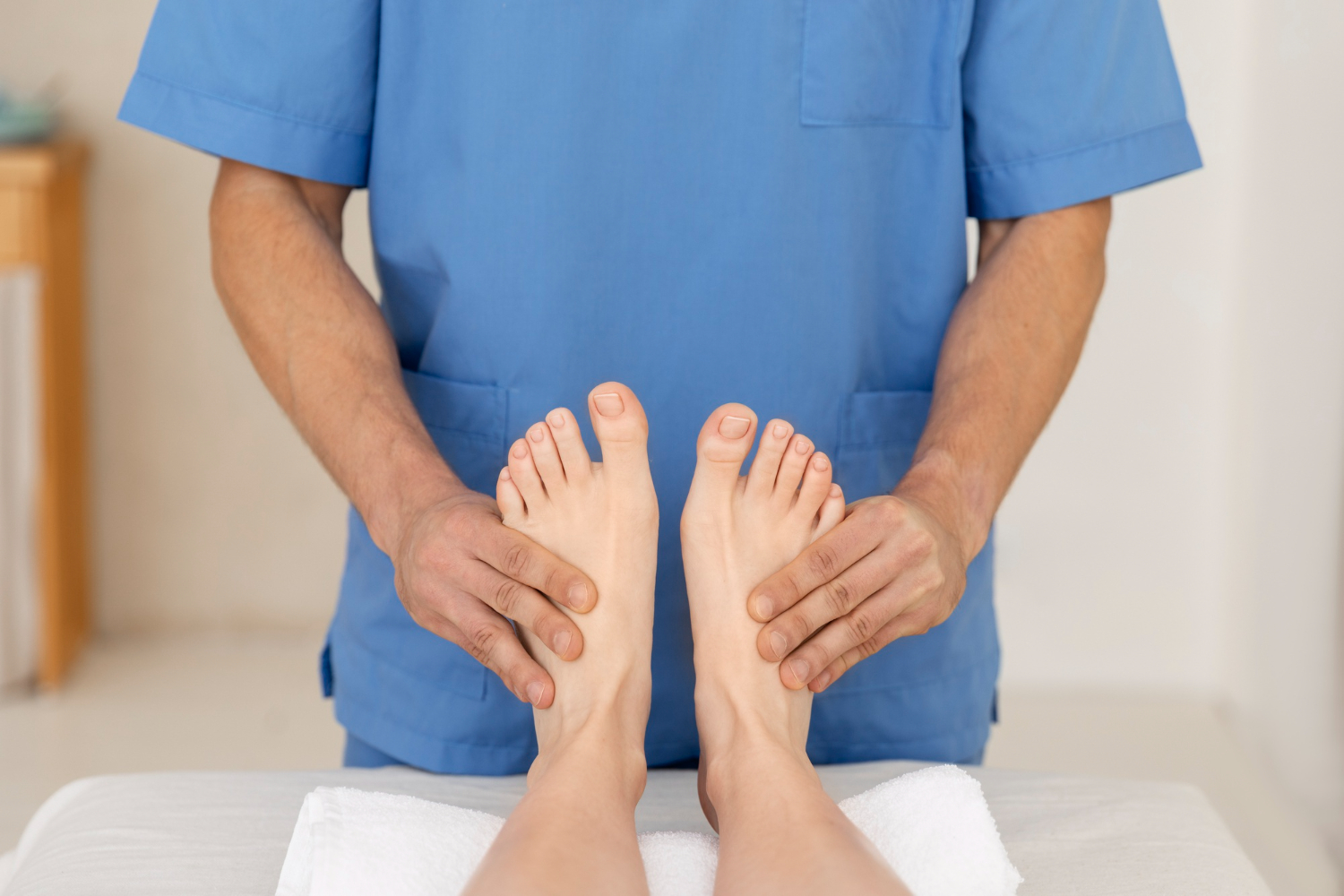
When Is Bunion Surgery Recommended (and When Is It Not)?
Common reasons bunion surgery is recommended
- Pain that limits walking, work, or daily activities
- Shoe fitting problems that don’t improve with wider shoes or pads
- Frequent inflammation or skin breakdown
- Progressive deformity (worsening toe drift)
- Secondary issues (hammer toes, transfer pain under the foot)
Reasons bunion surgery may not be recommended (or may be delayed)
Bunion surgery not recommended for everyone. Surgery may be postponed if:
- Symptoms are mild and manageable with footwear changes
- The bunion is mostly cosmetic without functional pain
- Medical risks are high.
- There’s poor ability to follow weight-bearing restrictions and follow-up care
Is Bunion Surgery Worth It?
- Reduce chronic pain
- Improve shoe comfort and walking
- Correct toe alignment and reduce progression
- Improve quality of life
- A period of restricted footwear or weight bearing
- Weeks of swelling management
- Patience with gradual improvement
Minimally Invasive Bunion Surgery vs Traditional Surgery
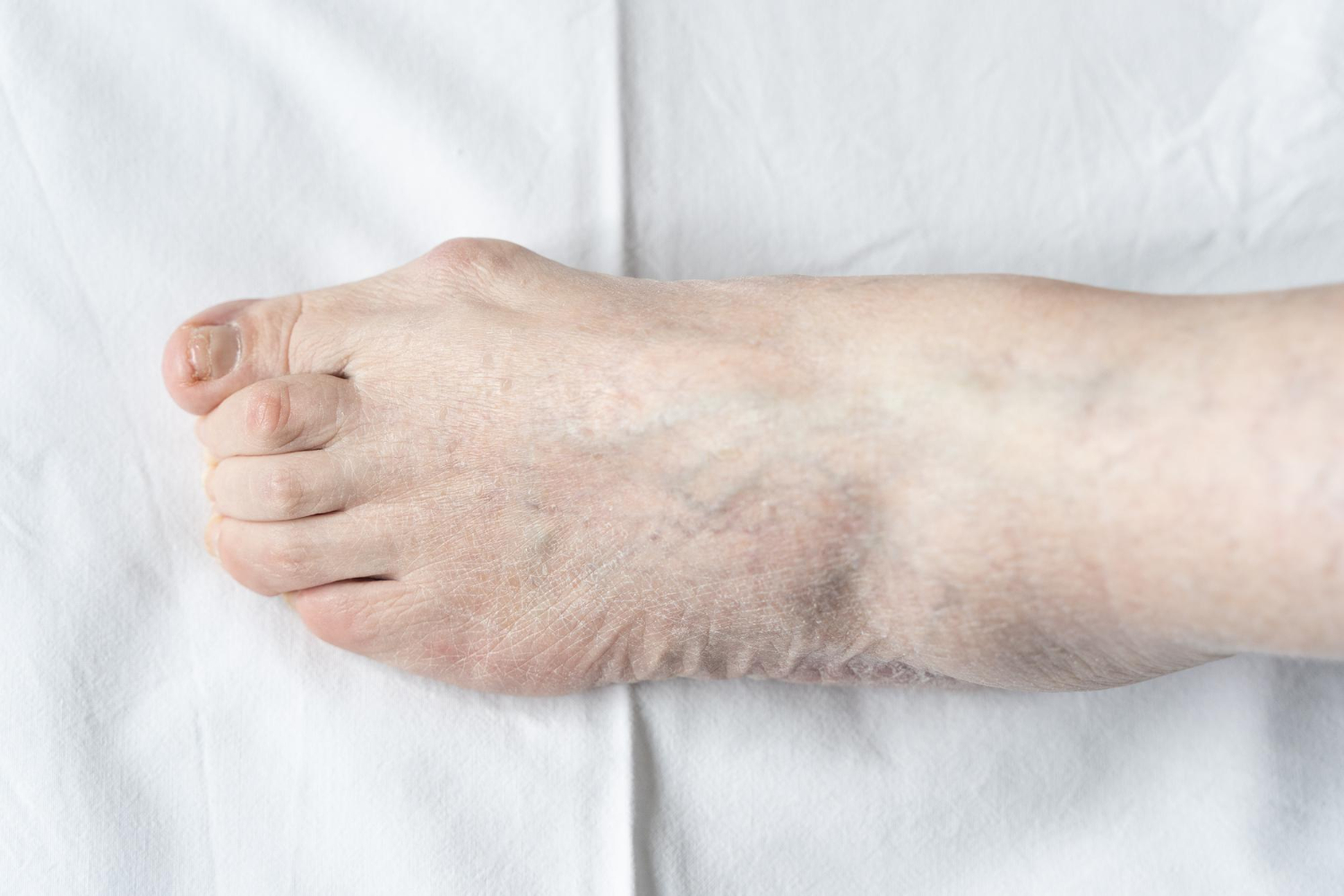
Minimally Invasive Bunion Surgery
- Uses smaller incisions and specialized instruments
- Often marketed for less visible scarring and potentially less soft tissue disruption
- Not every bunion is a candidate—severe deformity or instability may require other methods
Traditional (Open) Bunion Surgery
- Allows direct visualization and precise correction
- Often used for more complex deformities
- Incisions are larger, but the goal is stable correction and long-term function.

Common Bunion Surgery Techniques (Including Lapiplasty and Osteotomies)
Surgeons choose the technique based on deformity angles, joint instability, and arthritis presence.
Common approaches include:
- Osteotomy procedures (controlled bone cuts to realign the metatarsal)
- Soft tissue balancing (tightening/loosening structures around the joint)
- Fusion-based correction for unstable joints
- Lapiplasty (a branded approach often associated with correcting instability at the first tarsometatarsal joint)
Your surgeon will explain what fits your case and why.
How Bunion Surgery Works (Step-by-Step)
Evaluation and Planning
- Physical examination and gait assessment
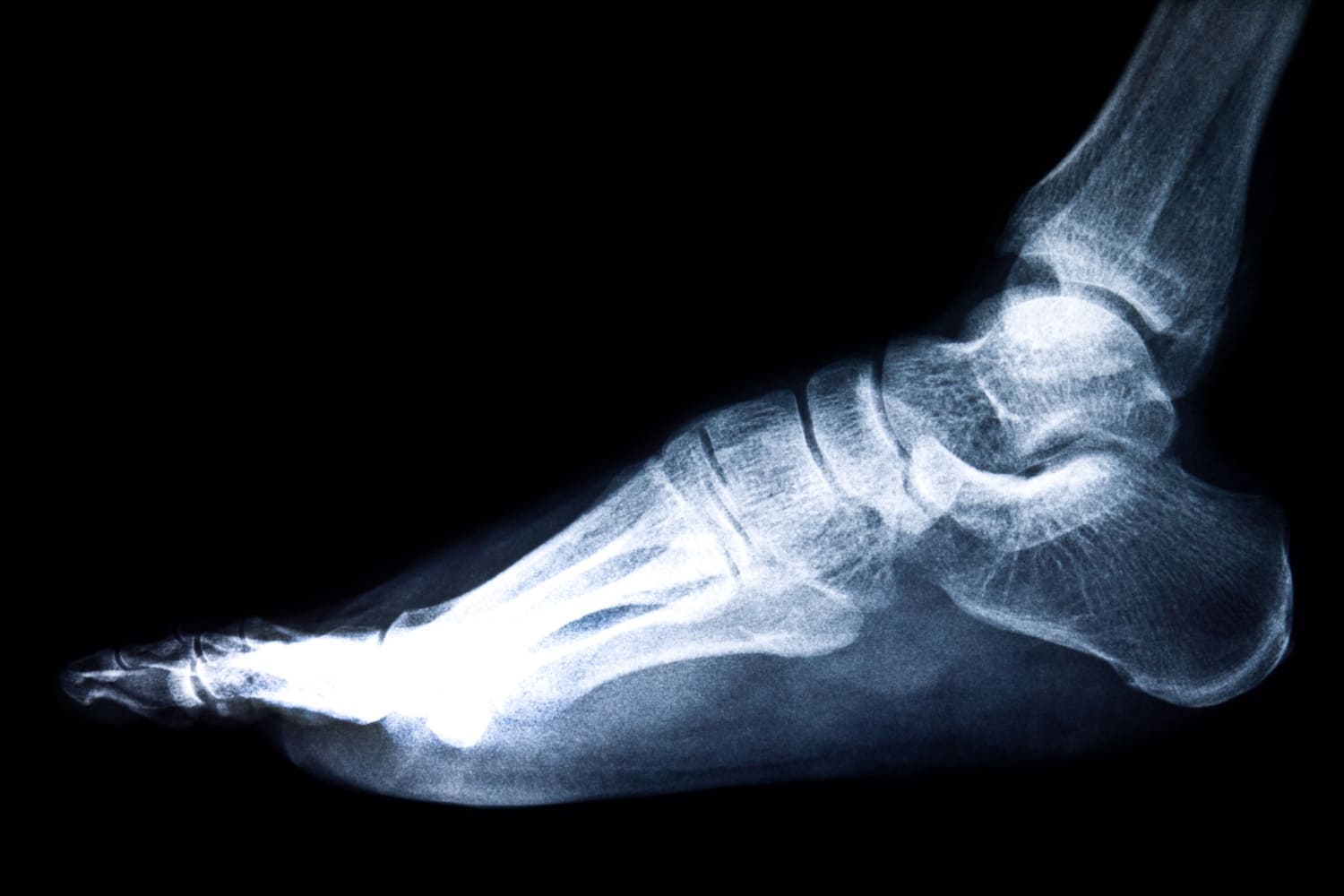
- Weight-bearing X-rays to measure angles
- Assessment for joint instability and arthritis
- Review of health factors that affect healing
Surgery Day
- Performed under anesthesia (local with sedation or general, depending on plan)
- The deformity is corrected using the chosen technique
- Fixation (screws/plates) may be used to maintain alignment
Protective Footwear and Early Recovery
- Many patients use a post-op shoe or boot
- Swelling control becomes a major focus
- Follow-up visits monitor healing and alignment
Surgery Steps
Bunion Surgery Recovery: Week by Week
Week 1
Week 2
Weeks 3–4
Weeks 5–6
Weeks 7–12
Months 3–6
6–12 Months
Week 1
- Rest, elevation, swelling control
- Keep dressings clean and dry
- Short bathroom walks only (as directed)
- Pain control plan is important
Week 2
- Follow-up visit and dressing check
- Some stitches may be removed (depends on surgeon)
- Walking in a post-op shoe may increase slightly
Weeks 3–4
- Gradual increase in walking volume (still protected)
- Swelling is common and expected
- Gentle toe mobility may begin if advised
Weeks 5–6
- Many patients transition to more normal footwear depending on healing and procedure type
- Walking distance improves, but swelling can still flare with activity
Weeks 7–12
- Strength and gait improve
- Wider shoes may still be needed
- Return to desk work is often easier than return to long standing jobs
Months 3–6
- Major functional improvement for many patients
- Swelling may persist intermittently
- Return to sports is gradual and depends on comfort and strength
6–12 Months
- Final outcome becomes clearer
- Residual swelling and stiffness continue to improve for some patients
Is Bunion Surgery Painful?
- Pain is typically strongest in the early days after surgery
- Discomfort shifts to soreness and stiffness as walking increases
- Swelling can cause aching after activity for weeks
- A structured medication plan
- Elevation and icing protocols
- Activity pacing and protective footwear
Bunion Surgery Before and After: What “Real Results” Look Like
- Pain reduction in daily life
- Shoe comfort improvement
- Better walking tolerance
- Improved alignment on X-rays
- A realistic scar and swelling timeline
- Only perfect photos without recovery context
- No mention of swelling or footwear restrictions
- Claims that you can return to normal shoes immediately
Bunion Surgery Cost in Turkey
- Hospital and city
- Surgeon experience (foot and ankle specialty matters)
- Technique (minimally invasive vs open vs fusion-based)
- Implant/fixation needs (screws/plates)
- Length of stay and included services
- Follow-up and rehab plan
How to Compare Quotes in Turkey
Request:
- Itemized pricing (surgeon, hospital, anesthesia, implants)
- Included follow-up visits
- Post-op footwear/boot and medications
- Expected timeline for walking and shoe transition
- Policy for complications or revision care
Is Bunion Surgery Covered by Insurance?
- Your insurance provider and plan
- Whether surgery is medically necessary (pain/function) vs cosmetic
- Where you live and whether out-of-country care is eligible
Risks, Complications, and Safety
- Infection
- Delayed bone healing
- Stiffness or limited toe motion
- Recurrence (bunion returning over time)
- Overcorrection (toe drifting too far the other way)
- Nerve irritation or numbness
- Persistent swelling
- Choosing the correct technique for your bunion type
- Following weight-bearing restrictions
- Wearing the recommended post-op shoe/boot
- Attending follow-ups and doing rehab guidance

Physical Therapy and Exercises After Bunion Surgery
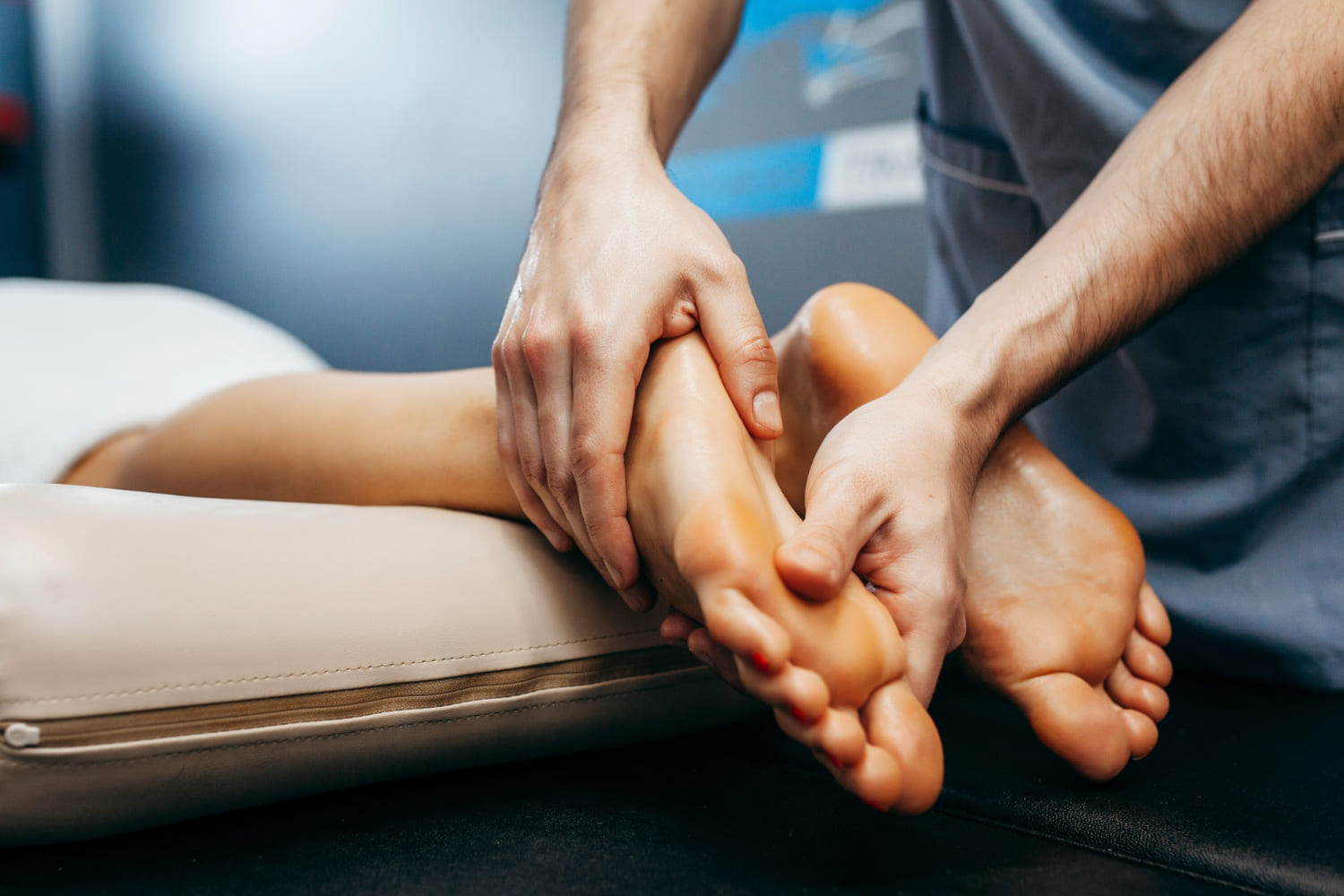
Not every patient needs formal PT, but most benefit from guided rehab principles.
Rehab often includes:
- Toe mobility exercises (when cleared)
- Foot and ankle strengthening
- Gait training to avoid limping
- Swelling management techniques
If you are traveling for surgery, plan your rehab support before you go home.
Choosing the surgeon
Choosing a Bunion Surgeon/Clinic in Turkey (Checklist)
Questions to Ask
- Are you a dedicated foot and ankle surgeon?
- What bunion technique do you recommend for my case and why?
- Am I a candidate for minimally invasive bunion surgery?
- Will fixation (screws/plates) be used?
- What is the weight-bearing plan (week by week)?
- When can I return to normal shoes?
- What is the revision plan if recurrence happens?
Signs of a Strong Program
- Weight-bearing X-rays and clear measurements
- A personalized procedure plan (not one-size-fits-all)
- Written recovery instructions
- Clear follow-up schedule and rehab guidance
- Transparent pricing


