
Hip Replacement Surgery Turkey
Hip replacement surgery Turkey replaces damaged joint surfaces of the hip with prosthetic components to reduce pain and restore function. It is most often recommended when hip pain and stiffness limit daily activities—such as walking, sitting, sleeping, or climbing stairs—and non-surgical treatments have not provided enough relief.
Trusted by 1000+ patients

Medically reviewed by Dr.Serdar
Written by Kubilay
TABLE OF CONTENT
- Who Needs Hip Replacement Surgery?
- Common Causes (Arthritis, Rheumatoid Arthritis, and More)
- Hip Replacement Surgery in Turkey
- How Hip Replacement Surgery Works (Step-by-Step)
- How to Prepare for Hip Replacement Surgery
- What to Expect the First Week After Hip Replacement Surgery
- What Is Normal Pain After Hip Replacement Surgery?
- Hip Replacement Surgery Recovery Time: A Realistic Timeline
- Physical Therapy After Hip Replacement: Why It’s Essential
- Risks, Complications, and Safety
- Hip Replacement Surgery Video and Pictures: What to Look For
- Hip Replacement Surgery Cost in Turkey
- Choosing a Knee Replacement Surgeon/Clinic in Turkey (Checklist)
- Frequently Asked Questions
Hip Replacement Surgery Procedure Guide
Who Needs Hip Replacement Surgery?
You may be a candidate if you have:
- Persistent hip pain that limits daily life
- Stiffness or reduced range of motion
- Pain that continues despite:
- Physical therapy
- Anti-inflammatory medication
- Injections
- Activity modification
- Groin pain or deep hip pain
- Pain when standing up from sitting
- Limping or reduced walking distance
- Pain that affects sleep
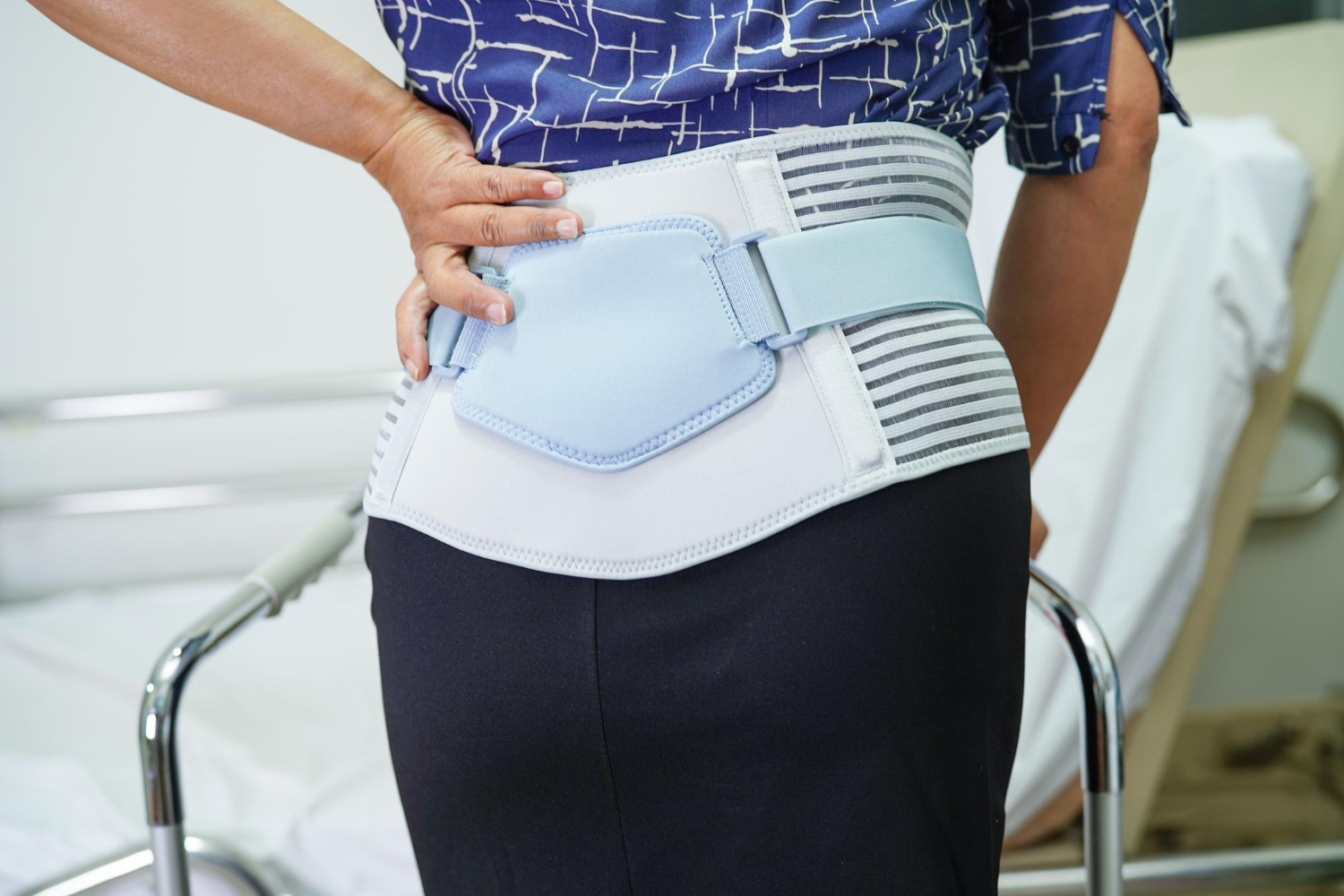

Common Causes (Arthritis, Rheumatoid Arthritis, and More)
Hip replacement is most commonly performed for joint damage related to arthritis.
Common causes include:
- Osteoarthritis: progressive cartilage wear over time
- Rheumatoid arthritis: autoimmune inflammation that can damage the joint
- Avascular necrosis (bone blood supply loss): can lead to joint collapse
- Post-traumatic arthritis: after fractures or joint injuries
- Hip dysplasia: abnormal hip structure causing early degeneration
Hip Replacement Surgery in Turkey With LifeTallerNow: Patient Pathway
At LifeTallerNow, the goal is to make your treatment in Turkey structured, understandable, and supported from start to finish. A typical pathway includes:
- Medical review before travel: collecting reports, imaging, and history
- Specialist evaluation in Turkey: confirmation of candidacy and surgical planning
- Hospital admission and surgery coordination: pre-op tests, anesthesia evaluation, and procedure scheduling
- Post-op rehab planning: clear physiotherapy milestones and discharge instructions
- Follow-up structure: wound checks, imaging when needed, and recovery guidance for your return home

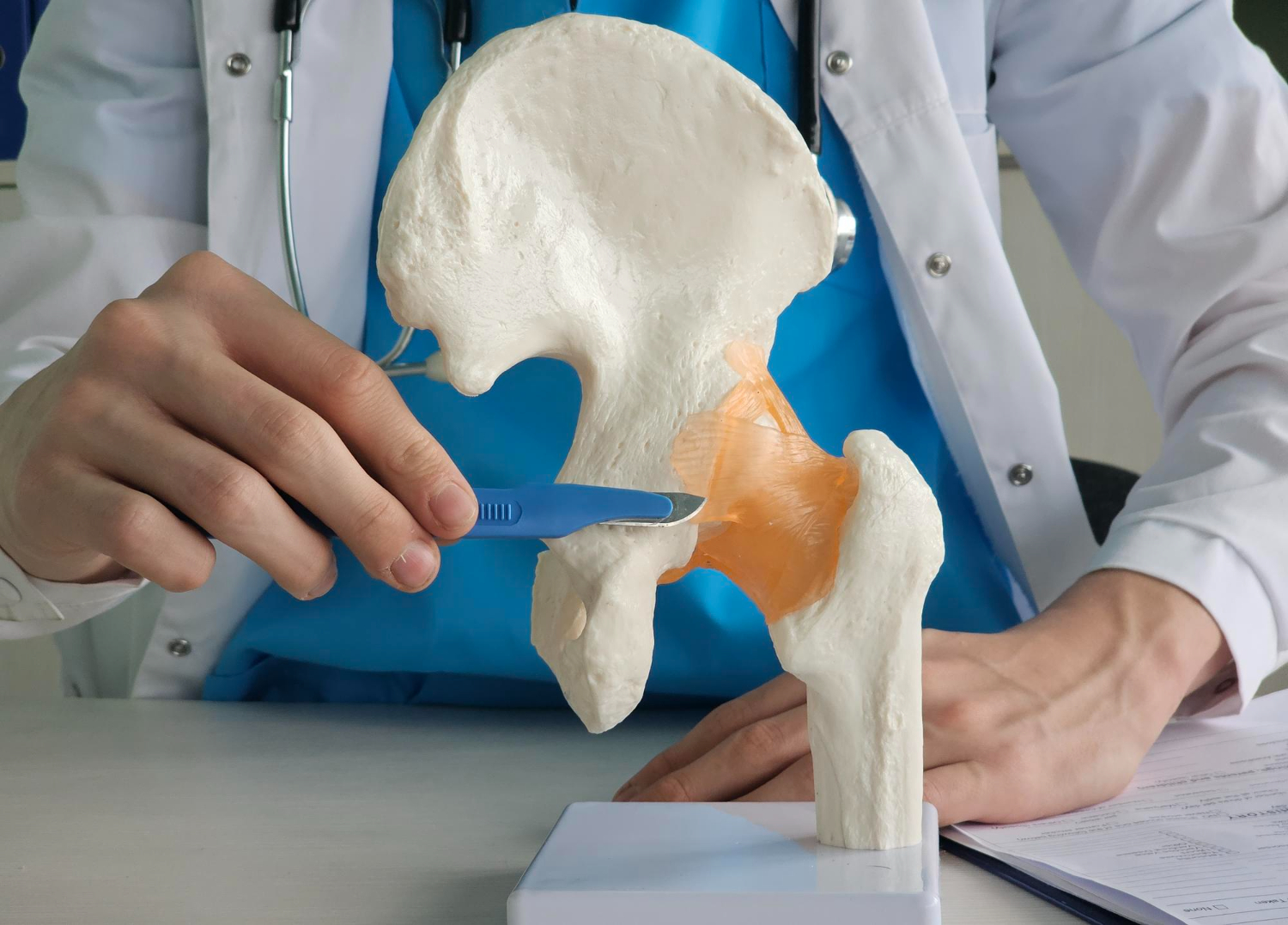
How Long Does Hip Replacement Surgery Take?
Operating time varies based on complexity and the technique used. Many cases are planned around 1–2 hours of surgery time, but your total hospital time is longer because it includes:
- Anesthesia preparation
- Operating room setup
- Recovery room monitoring
- Early mobilization and safety checks
Surgery Steps
How Hip Replacement Surgery Works (Step-by-Step)
Pre-Operative Assessment
Anesthesia
Joint Preparation and Implant Placement
Closure and Immediate Recovery
Pre-Operative Assessment
Your team typically checks:
- Blood tests and medical clearance
- Imaging (X-rays, sometimes MRI/CT)
- Medication review (especially blood thinners)
- DVT prevention strategy (blood clot prevention)
- Anesthesia plan
Anesthesia
Hip replacement can be done with:
- General anesthesia, or
- Regional anesthesia (spinal) with sedation
- Your anesthesiologist will select the safest option for your health profile
Joint Preparation and Implant Placement
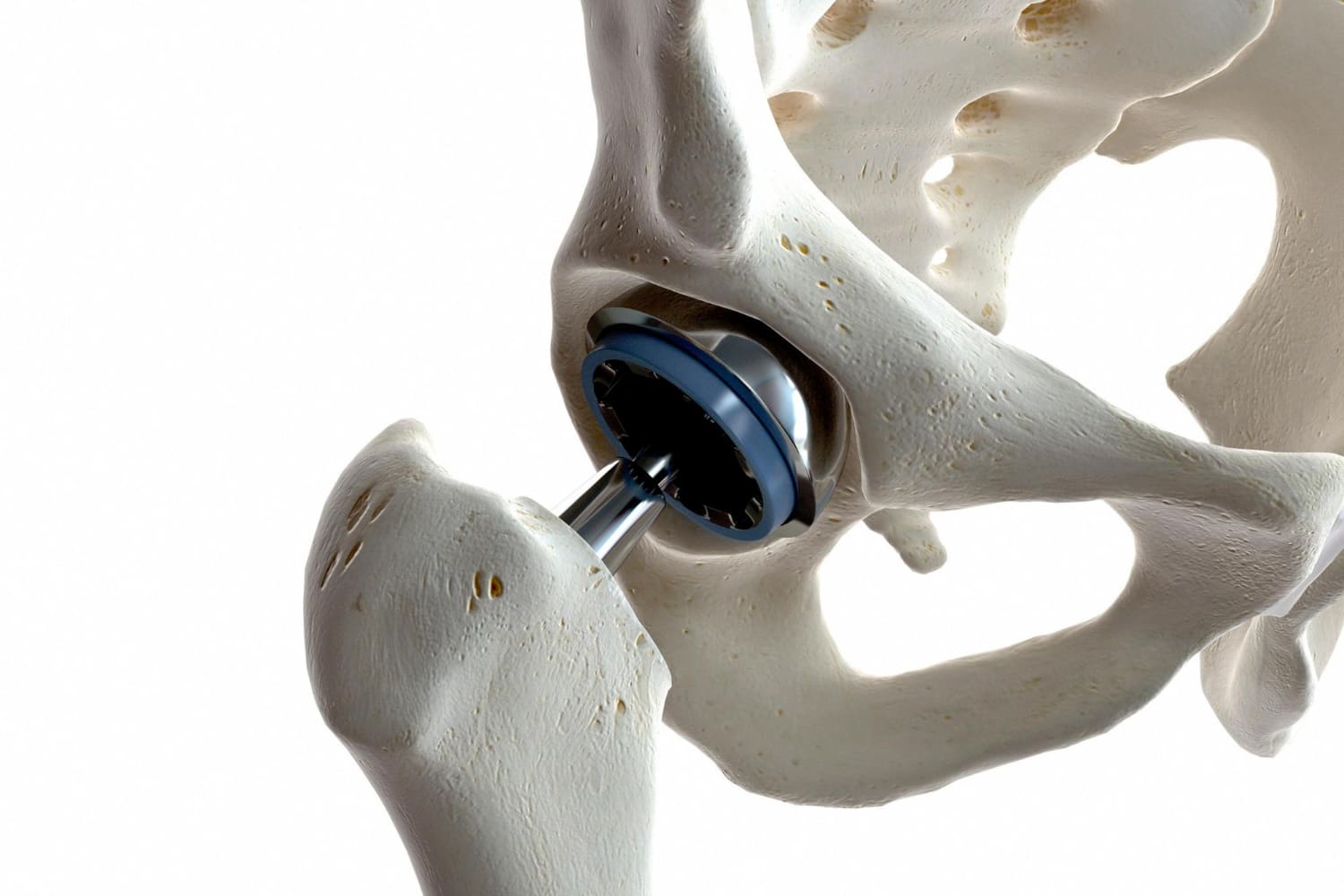
The surgeon removes damaged joint surfaces and places the prosthetic components. The hip is tested for:
- Stability
- Alignment
- Appropriate leg length
- Safe range of motion
Closure and Immediate Recovery
The surgeon removes damaged joint surfaces and places the prosthetic components. The hip is tested for:
After closure, the focus shifts to:
- Pain control
- Safe early mobility
- Prevention of complications (clots, infection)
How to Prepare for Hip Replacement Surgery
Preparation strongly affects recovery speed and safety.
Health optimization
- Stop smoking (nicotine slows healing)
- Manage chronic conditions (diabetes, blood pressure)
- Address dental or skin infections before surgery
- Review and adjust medications with your doctor
Home planning (especially for after you return)
- Prepare a stable chair with armrests
- Remove trip hazards (rugs, clutter)
- Place daily items at waist height
- Consider bathroom aids if needed
“Prehab” (recommended for many patients)
Strengthening before surgery often improves recovery:
- Gentle hip and glute strengthening
- Balance exercises
- Safe range of motion routines (as tolerated)

What to Expect the First Week After Hip Replacement Surgery
Many patients are surprised by how quickly rehab begins.
Typical first-week experience
- Walking with support (walker/crutches) often begins early
- Swelling and soreness are expected
- Physiotherapy starts to restore movement and reduce stiffness
- You will receive instructions for:
- Wound care
- Safe sitting and sleeping positions
- Stair technique (if needed)
- Medication use
What Is Normal Pain After Hip Replacement Surgery?
It’s normal to have pain and discomfort during early healing, especially:
- Around the incision
- In the thigh or buttock region
- When starting new PT exercises
- After increasing walking volume
Contact your surgeon urgently if you have:
- Increasing redness, drainage, or fever
- Severe calf pain or swelling
- Sudden shortness of breath
- New sharp pain that does not improve with rest/medication
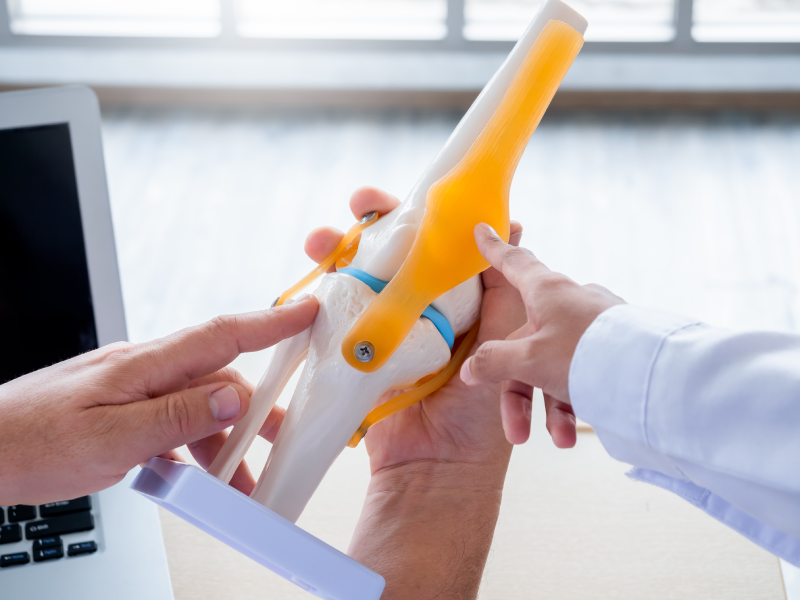
Hip Replacement Surgery Recovery Time: A Realistic Timeline
Recovery is different for every patient, but planning helps.
Common recovery milestones
- 2–6 weeks: walking improves, daily tasks become easier
- 6–12 weeks: strength and confidence increase significantly
- 3–6 months: major function gains and less limitation
- 6–12 months: long-term strength and endurance improvements
Physical Therapy After Hip Replacement: Why It’s Essential
“Physical therapy” is consistently one of the most searched topics because it directly influences outcomes.
PT usually focuses on:
- Restoring hip range of motion
- Rebuilding glute and leg strength
- Gait training (walking mechanics)
- Balance and fall prevention
- Stair function and endurance

Risks, Complications, and Safety
Hip replacement is generally successful for many patients, but risks exist.
Recovery is different for every patient, but planning helps.
Potential risks (not exhaustive)
- Infection
- Blood clots (DVT/PE)
- Dislocation (hip instability)
- Leg length difference sensation
- Nerve irritation
- Implant loosening or wear over time
- Persistent pain or stiffness
- Experienced surgical teams
- Sterile protocols and antibiotics when needed
- Early mobilization and clot prevention
- Consistent follow-up and physiotherapy
Hip Replacement Surgery Video and Pictures: What to Look For
Patients commonly search for hip replacement surgery video/pictures to understand what happens.
Useful visuals show:
- Realistic incision location and healing stages
- Swelling patterns early after surgery
- Safe rehab exercises and milestones
- Walking progression (walker → cane → independent walking)
Avoid content that shows only perfect outcomes without context.

Hip Replacement Surgery Cost in Turkey
Hip replacement cost in Turkey varies based on:
- Hospital and city
- Implant type/brand
- Surgeon fee and complexity
- Hospital stay duration
- Included services (imaging, medications, rehab sessions)
How to Compare Quotes
Ask for:
- Itemized pricing (implant, surgeon, hospital, anesthesia)
- What post-op rehab includes
- Follow-up schedule in Turkey
- Policies for complications or revisions
- Estimated length of stay in Turkey
Choosing the surgeon
Choosing a Knee Replacement Surgeon/Clinic in Turkey (Checklist)
Turkey has many orthopedic providers—choose carefully.
Questions to Ask
- How many hip replacements do you perform each year?
- Which implant system will be used and why?
- What is your DVT prevention plan?
- What are the movement precautions (if any) and for how long?
- What is the PT schedule and who coordinates it?
- How long should I stay in Turkey for follow-up?
- What support is available after I return home?
Signs of a Strong Program
- Clear medical clearance workflow
- Transparent pricing
- Structured rehab milestones
- Written discharge instructions
- Organized follow-up planning
Frequently Asked Questions
How long does hip replacement surgery take?
Many cases are planned around 1–2 hours of operating time, but total hospital time is longer due to anesthesia and monitoring.
How long is hip replacement surgery?
Surgery length varies by patient and complexity, but many procedures fit within a similar 1–2 hour range.
What is normal pain after hip replacement surgery?
Early soreness, swelling, and discomfort with PT are normal. Pain should improve steadily over time. Seek medical advice if pain worsens or is paired with fever, drainage, or sudden breathing symptoms.
What to expect the first week after hip replacement surgery?
Expect early walking with support, swelling management, and immediate physiotherapy. You’ll also receive wound care and mobility safety instructions.
What is hip replacement surgery recovery time?
Many patients improve significantly by 6–12 weeks, with continued gains through 6–12 months depending on rehab and overall health.


