
Knee Replacement Surgery Turkey
Knee replacement surgery replaces the worn or damaged surfaces of the knee joint with artificial components to reduce pain and improve movement. Most patients consider it when knee pain limits daily life despite non-surgical treatments such as medication, injections, weight management, or physical therapy.
Trusted by 1000+ patients

Medically reviewed by Dr.Serdar
Written by Kubilay
TABLE OF CONTENT
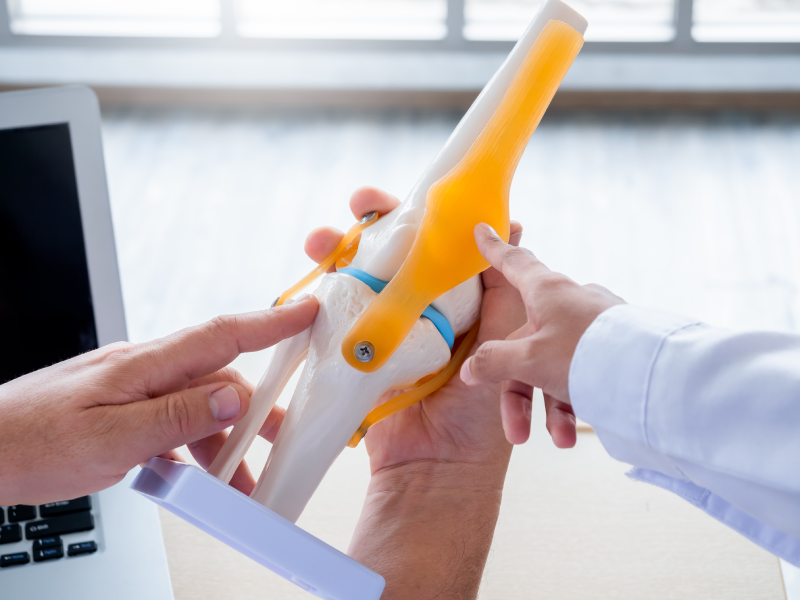
- Who Needs Knee Replacement Surgery?
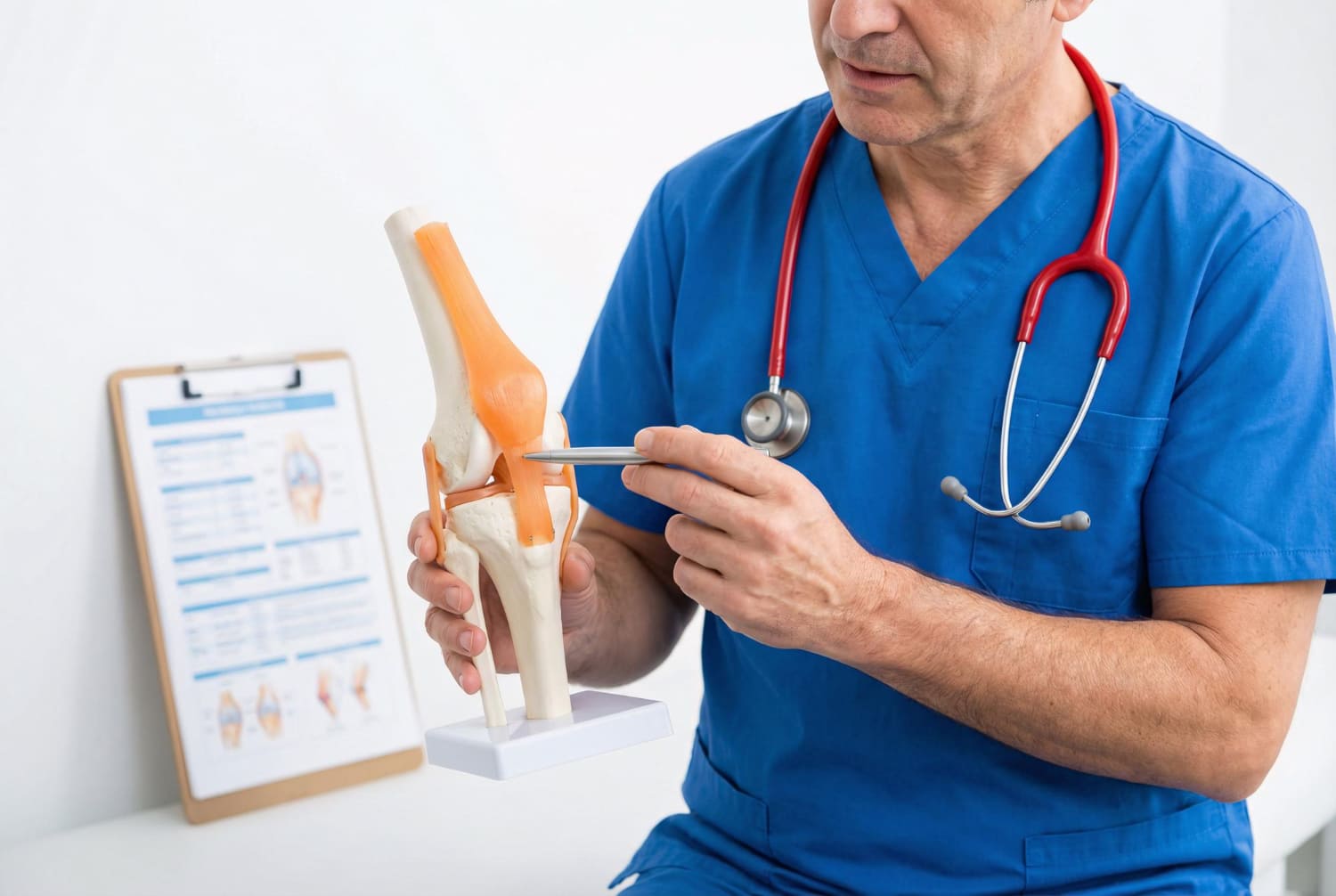
- Total vs Partial Knee Replacement: What’s the Difference?
- What Causes Knee Damage?
- How Long Does Knee Replacement Surgery Take?
- How Knee Replacement Surgery Works (Step-by-Step)
- How to Prepare for Knee Replacement Surgery
- Age Limit and Candidacy
- What to Expect After Knee Replacement Surgery
- How Long Does It Take to Recover From Knee Replacement Surgery?
- Physical Therapy After Knee Replacement: Why It’s Essential
- Disadvantages of Knee Replacement Surgery
- Risks & Complications (Safety)
- Before and After Knee Replacement Surgery
- Knee Replacement Surgery Pictures: What to Look For
- Knee Replacement Surgery Cost in Turkey
- Choosing a Knee Replacement Surgeon/Clinic in Turkey (Checklist)
- Frequently Asked Questions
Knee Replacement Surgery Procedure Guide
Who Needs Knee Replacement Surgery?
You may be a candidate if you have:
- Knee pain that limits walking, stairs, standing, or sleeping
- Persistent swelling and stiffness
- Reduced mobility or knee deformity (bowing)
- Symptoms that do not improve with:
- Physical therapy
- Anti-inflammatory medication
- Injections
- Activity modification
- Osteoarthritis (most common)
- Rheumatoid arthritis
- Post-traumatic arthritis after injury
- Advanced cartilage loss and deformity
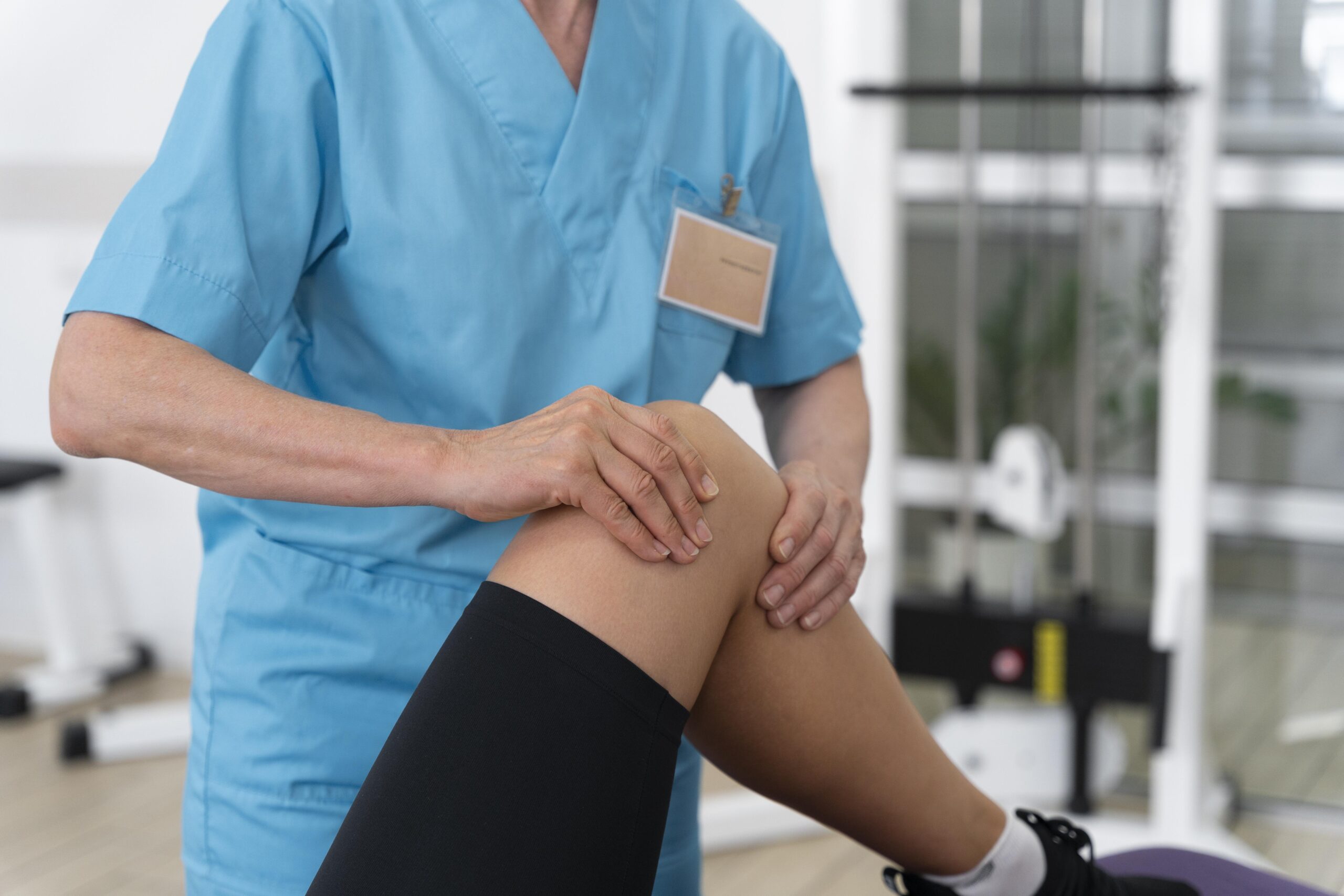

Total vs Partial Knee Replacement: What’s the Difference?
Total Knee Replacement (TKR)
- Most common form
- Joint surfaces are replaced across the knee compartments as needed
- Suitable for widespread arthritis or multi-compartment damage
Partial Knee Replacement (PKR)
- Only the damaged compartment is replaced (medial, lateral, or patellofemoral)
- May offer faster recovery in the right candidate
- Not appropriate if arthritis is widespread
What Causes Knee Damage? (Arthritis, Rheumatoid Arthritis, and More)
Many patients researching knee replacement are dealing with arthritis, including rheumatoid arthritis, which can lead to long-term joint inflammation and damage.
Common causes:
- Osteoarthritis: wear-and-tear cartilage loss over time
- Rheumatoid arthritis: autoimmune inflammation affecting joints
- Post-traumatic arthritis: degeneration after ligament/meniscus injuries or fractures
- Previous surgeries that changed knee mechanics
- Alignment issues (varus/valgus) accelerating cartilage wear
How Long Does Knee Replacement Surgery Take?
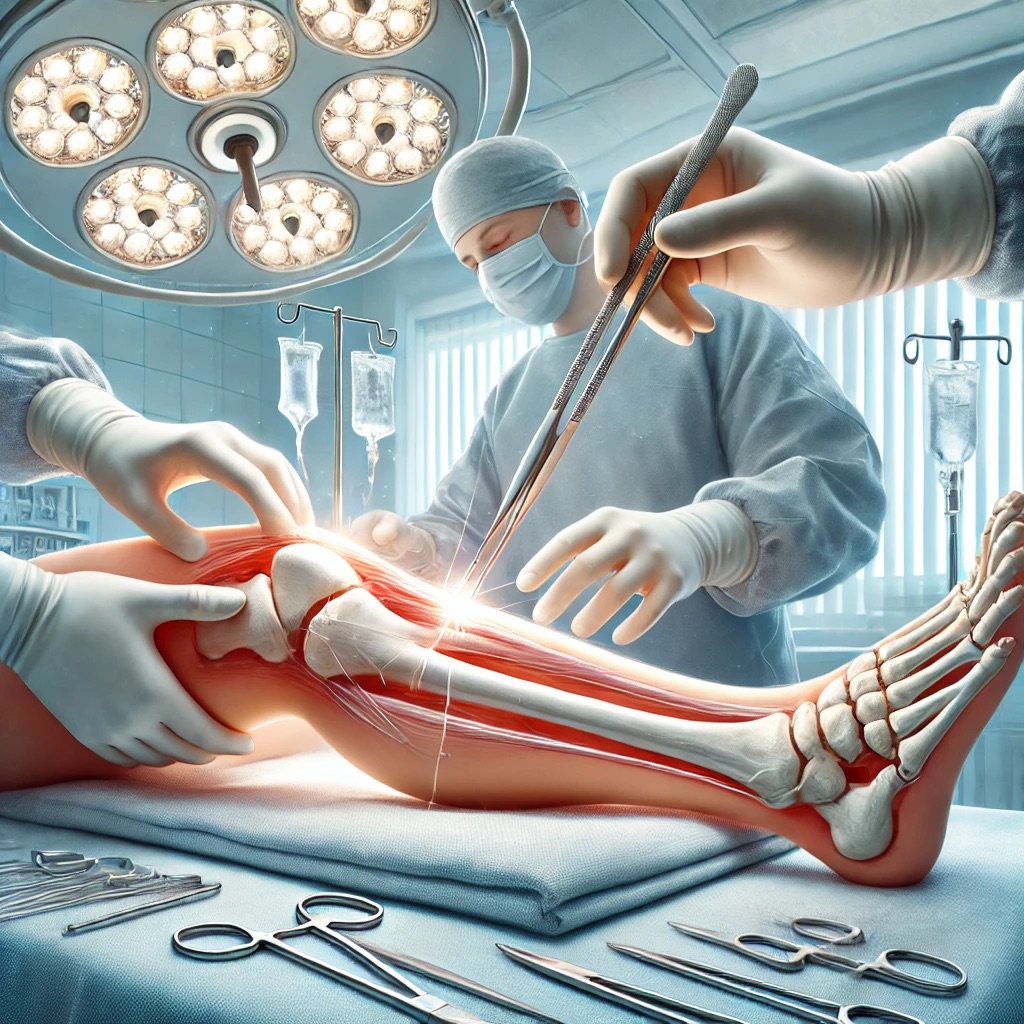
Actual time in surgery depends on complexity, anatomy, and surgeon technique. Planning-wise, most patients should expect:
- Operating room time that often ranges around 1–2 hours for many cases
- Additional time before/after for anesthesia, preparation, and recovery room monitoring
Surgery Steps
How Knee Replacement Surgery Works (Step-by-Step)
Pre-Operative Assessment
Anesthesia
Joint Surface Preparation
Implant Placement
Closure and Immediate Recovery
Pre-Operative Assessment
Before surgery, your team typically checks:
- Blood tests and medical clearance
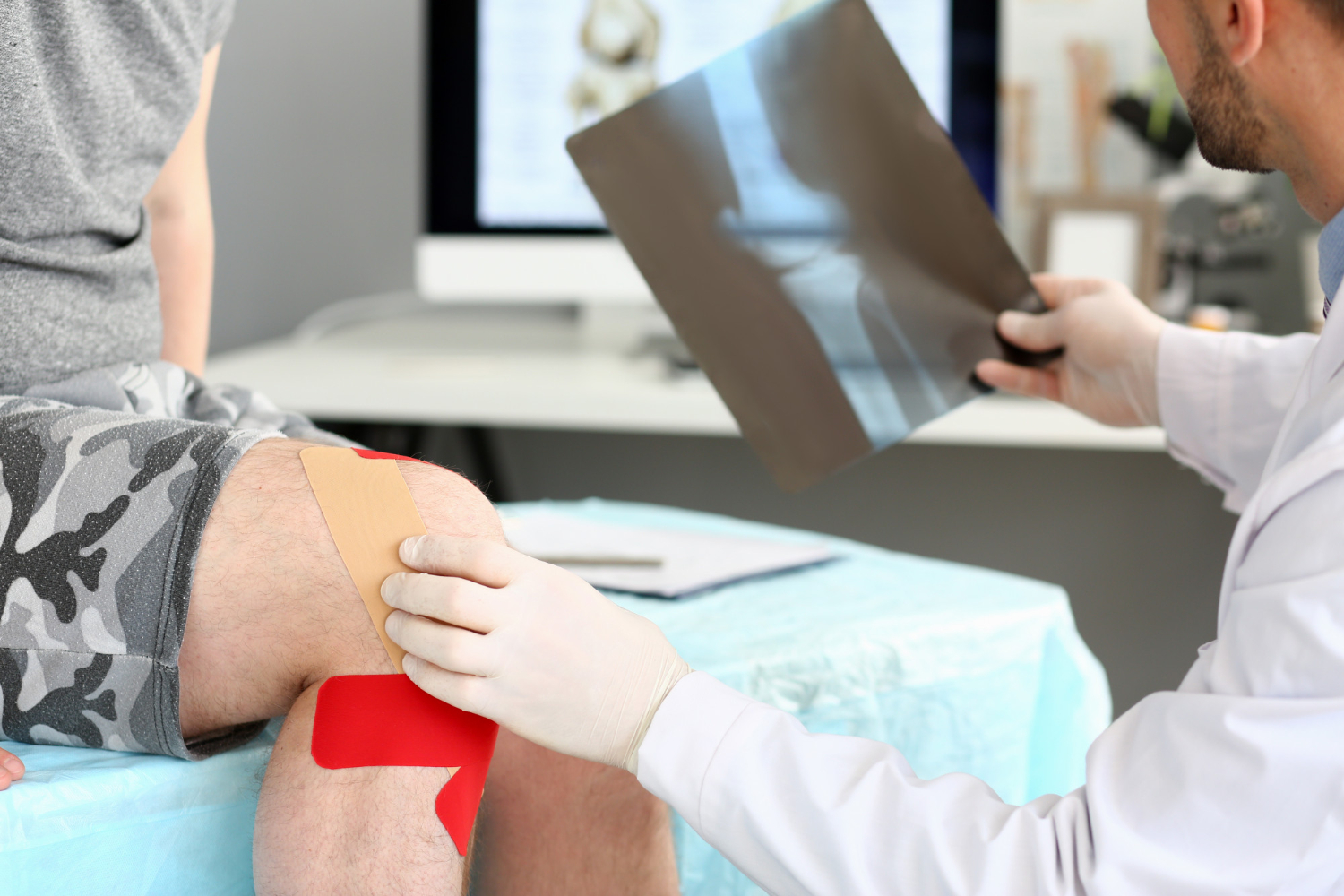
- Imaging (X-rays, sometimes MRI)
- Medication review (especially blood thinners)
- Planning for anesthesia and pain control
- DVT prevention strategy (blood clot prevention)
Anesthesia
Knee replacement is commonly done with:
- General anesthesia, or
- Regional anesthesia (spinal) with sedation
- Your anesthesiologist will recommend the safest option for you
Joint Surface Preparation
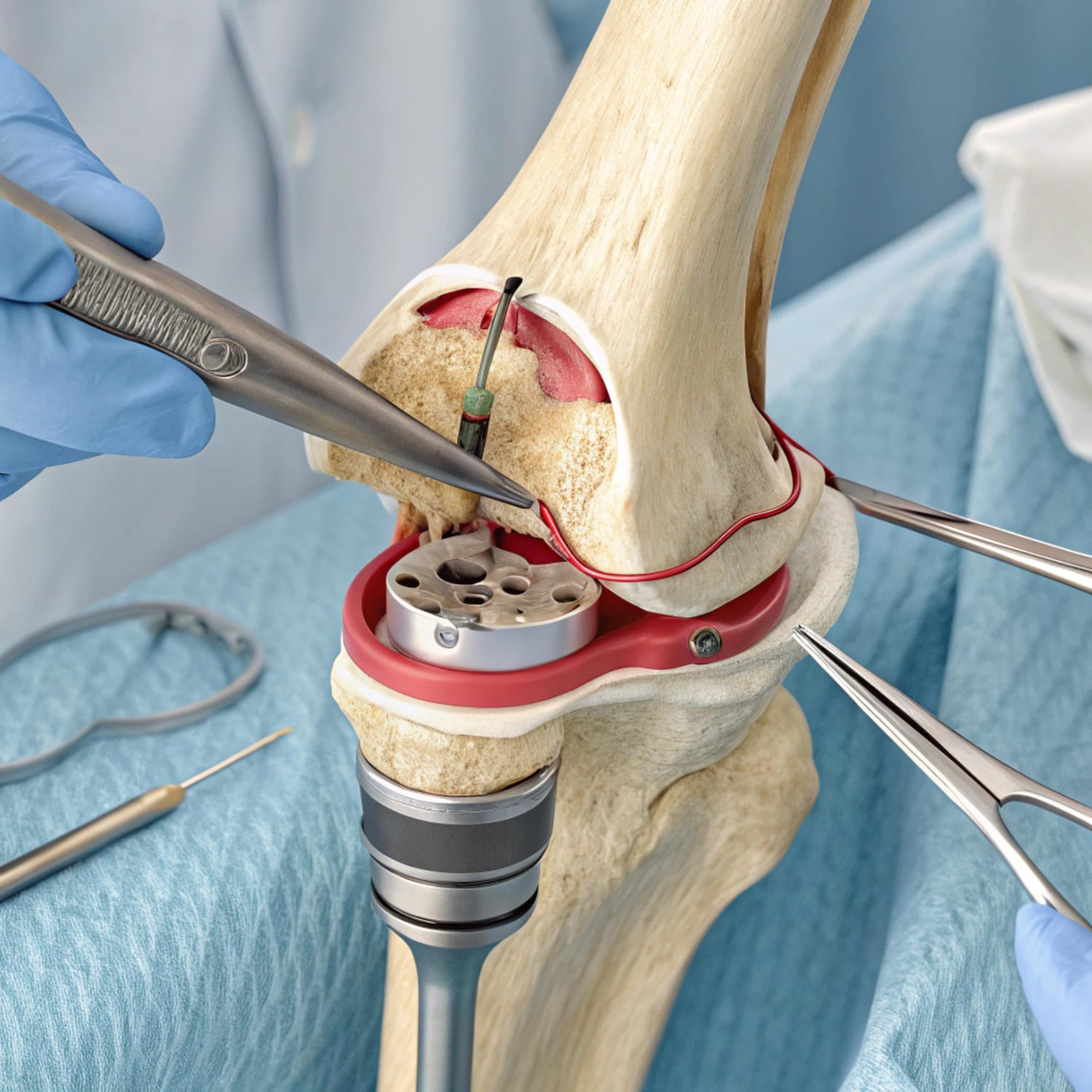
The surgeon removes damaged cartilage and reshapes the bone surfaces.
Implant Placement
The surgeon fits the prosthetic components and checks:
- Knee alignment
- Stability
- Range of motion
- Patella tracking (in some cases the patella surface is also treated)
Closure and Immediate Recovery
The incision is closed and you move to recovery, where the focus is pain control and safe early mobility.
How to Prepare for Knee Replacement Surgery
Preparation strongly affects recovery speed and safety.
Medical and Practical Preparation
- Review and adjust medications with your doctor
- Stop smoking (nicotine can slow healing)
- Improve blood sugar control if diabetic
“Prehab” Preparation (Recommended)
Patients who build strength before surgery often do better after:
- Gentle quadriceps strengthening
- Hip and glute strength
- Balance training
- Knee range of motion exercises
Home Setup Tips
- Remove loose rugs and trip hazards
- Prepare a stable chair with armrests
- Place frequently used items at waist height
- Consider a raised toilet seat if needed
What to Expect After Knee Replacement Surgery
The early period is about pain control, swelling management, and safe movement.
Immediately After Surgery (First Days)
- You may stand and walk (with support) within the first day depending on your plan
- Pain and swelling are expected and managed with medications, icing, and elevation
- You will begin simple physiotherapy exercises early
The First 2–6 Weeks
- Walking gradually increases
- Range of motion and strength training becomes more structured
- Many patients transition from walker to cane during this window (varies)
How Long Does It Take to Recover From Knee Replacement Surgery?
Recovery depends on age, fitness, arthritis severity, and rehab consistency.
A practical planning timeline:
- 2–6 weeks: improving walking distance and daily function
- 6–12 weeks: stronger mobility and improved confidence
- 3–6 months: major function gains and less daily limitation
- 6–12 months: long-term outcome and strength refinement
Physical Therapy After Knee Replacement: Why It’s Essential
“Physical therapy” is one of the biggest search terms around knee replacement for a reason: it often determines how well you walk, bend, and return to normal life.
PT typically focuses on:
- Restoring knee range of motion (bending/straightening)
- Strengthening quadriceps and hip muscles
- Gait training (walking mechanics)
- Swelling control strategies
- Stair training and balance
Disadvantages of Knee Replacement Surgery
Patients also search “disadvantages of knee replacement surgery” because they want a realistic view.
Potential disadvantages include:
- Recovery requires effort and time
- Pain and swelling can last weeks to months
- The knee may not feel exactly like a natural joint
- There is a small risk of stiffness or persistent discomfort
- Implants can wear over time and may require revision in the future
- Some activities may be limited long-term (high-impact sports)
Risks & Complications (Safety)
All surgeries have risks. Commonly discussed knee replacement risks include:
- Infection
- Blood clots (DVT/PE)
- Stiffness (limited bending/straightening)
- Implant loosening or wear
- Continued pain or instability
- Nerve or blood vessel injury (rare)
- Experienced surgical teams
- Sterile protocols and antibiotics when needed
- Early movement and clot prevention plans
- Consistent rehab and follow-up

Before and After Surgery
- Pain levels (before vs after)
- Walking distance
- Stairs ability
- Sleep improvement
- Range of motion progress
- PT milestones and timeline
Red flags in marketing
- Only photos, no recovery timeline
- No mention of PT commitment
- Promises of instant recovery
Knee Replacement Surgery Pictures: What to Look For
Images can be helpful when they show:
- Realistic scar placement and healing stages
- Expected swelling in early recovery
- Range of motion progress over time
- Real patient mobility milestones
Knee Replacement Surgery Cost in Turkey
Costs in Turkey vary depending on:
- Hospital and city
- Surgeon experience
- Implant type and brand
- Length of hospital stay
- Included services (rehab, imaging, medications)
- Whether additional procedures are needed
How to Compare Quotes in Turkey
Ask every clinic for:
- Itemized quote (implant, surgeon fee, anesthesia, hospital stay)
- What’s included in post-op care
- Follow-up schedule and PT plan
- Policy for complications or revisions
- Estimated total length of stay in Turkey
Choosing the surgeon
Choosing a Knee Replacement Surgeon/Clinic in Turkey (Checklist)
Turkey has many orthopedic providers—choose carefully.
Questions to Ask
- How many knee replacements do you perform each year?
- Do you recommend total or partial replacement for my case—and why?
- Which implant system will you use and why?
- What is the plan for clot prevention?
- What is the post-op PT schedule?
- How long should I stay in Turkey for follow-up?
- What support is available if complications happen after I return home?
What a Strong Program Provides
- Clear pre-op assessment and medical clearance
- Transparent pricing
- Coordinated physiotherapy plan
- Written recovery milestones
- Organized follow-ups and imaging
Frequently Asked Questions
How long does knee replacement surgery take?
Many cases are planned around 1–2 hours of operating time, but total hospital time is longer due to anesthesia and monitoring.
How long is knee replacement surgery?
Operating time varies by case complexity, but many procedures fit within a similar 1–2 hour range.
What to expect after knee replacement surgery?
Expect swelling, pain management needs, early walking with support, and a structured PT plan. Most progress happens over months, not days.
How to prepare for knee replacement surgery?
Optimize health (stop smoking, manage medical issues), plan your home setup, and do strengthening “prehab” exercises if recommended.
How long does it take to recover from knee replacement surgery?
Many patients see major improvement by 3–6 months, with continued gains up to 12 months depending on rehab and overall health.


