
Limb Shortening Surgery Turkey
Limb shortening surgery is a bone reconstruction procedure that makes one leg shorter by a planned amount to improve symmetry, balance, and function. It is most commonly used to treat leg length discrepancy (LLD) when shortening the longer leg is a safer or more practical option than lengthening the shorter leg.
Trusted by 1000+ patients

Medically reviewed by Dr.Serdar
Written by Kubilay
TABLE OF CONTENT
- Who Needs Limb Shortening Surgery Turkey?
- How Limb Shortening Surgery Turkey Works (Step-by-Step)
- Femur vs Tibia Shortening: What’s Different?
- How Much Can a Leg Be Shortened?
- Timeline & Recovery: How Long Does It Take?
- Is Limb Shortening Surgery Safe? Risks & Complications
- Age Limit and Candidacy
- Pain, Mobility, Scars, and Day Life
- Before and After: What “Real Results” Look Like
- Limb Shortening Surgery Cost (Including Turkey)
- Physical Therapy: Why It Matters
- Choosing an Orthopedic Surgeon/Clinic (Checklist)
- Frequently Asked Questions
Limb Shortening Surgery Procedure Guide
Who Needs Limb Shortening Surgery Turkey?
Limb shortening may be considered when a patient has:
- Leg length discrepancy (LLD) where one leg is significantly longer
- LLD caused by:
- Childhood growth plate injury
- Congenital conditions
- Previous fractures or trauma
- Prior orthopedic surgery
- Bone infection history that affected growth
- Functional issues such as:
- Limping or gait asymmetry
- Hip, knee, or lower back pain from imbalance
- Pelvic tilt or posture compensation
- Difficulty with sports or prolonged standing
Why Choose Shortening vs Lengthening?
Shortening can be chosen over lengthening in certain scenarios because it may:
- Avoid months of distraction/lengthening and prolonged device use
- Reduce the risk of complications specific to lengthening (soft tissue tightness, nerve stretch issues)
- Provide a faster path to “equal legs” in selected cases
- You permanently reduce overall height
- Shortening too much can affect muscle mechanics and function
- Candidacy depends on the amount of discrepancy, alignment, and overall goals
Surgery Steps
How Limb Shortening Surgery Turkey Works (Step-by-Step)
Pre-Op Planning and Measurements
Surgery (Osteotomy + Bone Segment Removal)
Fixation (Stabilization)
Early Recovery + Rehab Starts
Pre-Op Planning and Measurements
Your surgeon will typically evaluate:
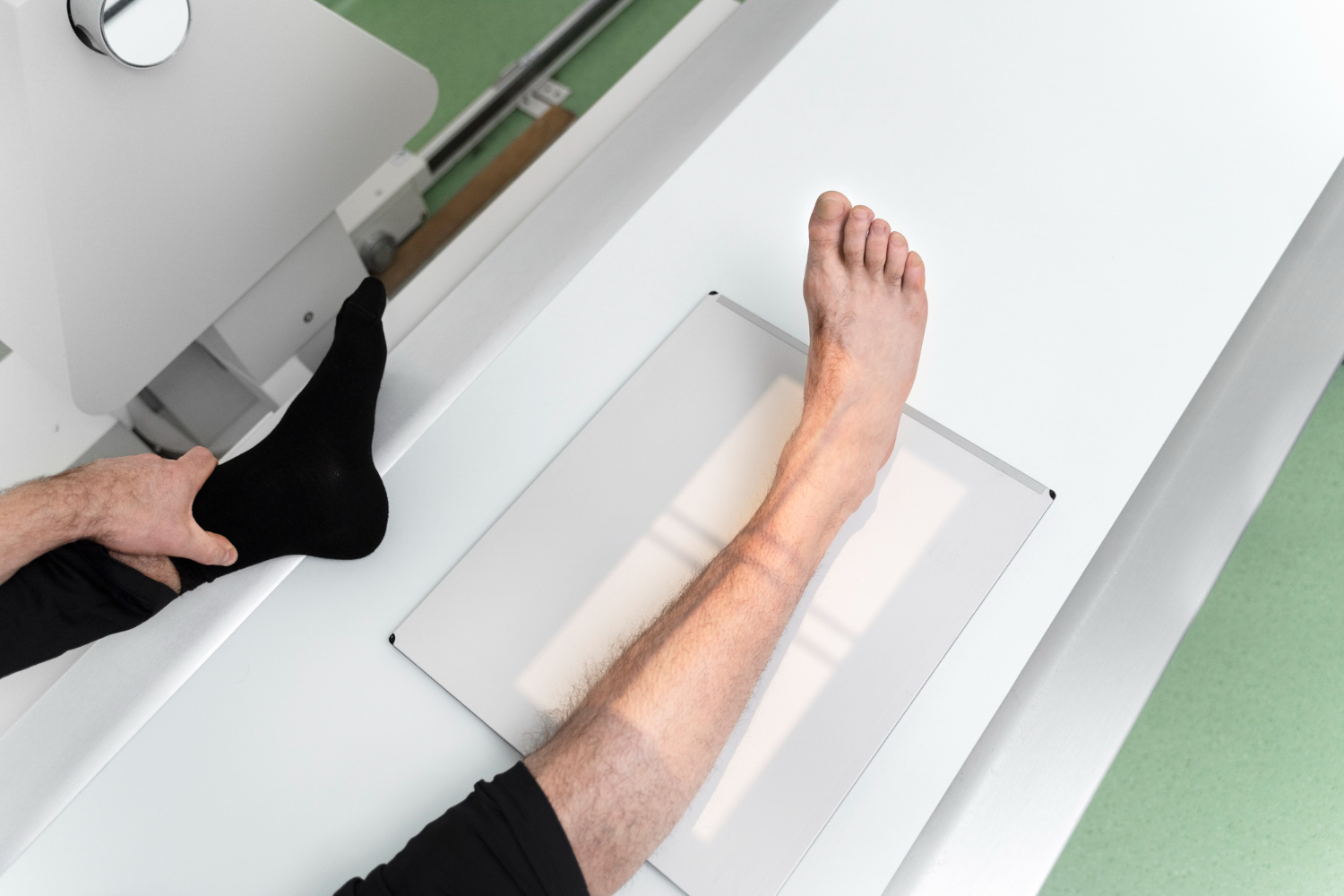
- Standing X-rays to measure true LLD and alignment
- Joint health (hip/knee/ankle)
- Range of motion and flexibility
- Gait and posture mechanics
- Overall health factors affecting healing (smoking, nutrition, bone quality)
Surgery (Osteotomy + Bone Segment Removal)
Under general anesthesia:
- The surgeon makes a controlled bone cut
- Removes a precisely measured bone segment
- Re-approximates the bone ends
Fixation (Stabilization)
Common stabilization options:
- Plate and screws
- Intramedullary nail
- Choice depends on bone, anatomy, alignment needs, and surgeon preference
Early Recovery + Rehab Starts
- Pain control and swelling management
- Early physiotherapy to protect joint motion
- A structured plan for weight-bearing progression
Femur vs Tibia Shortening: What’s Different?
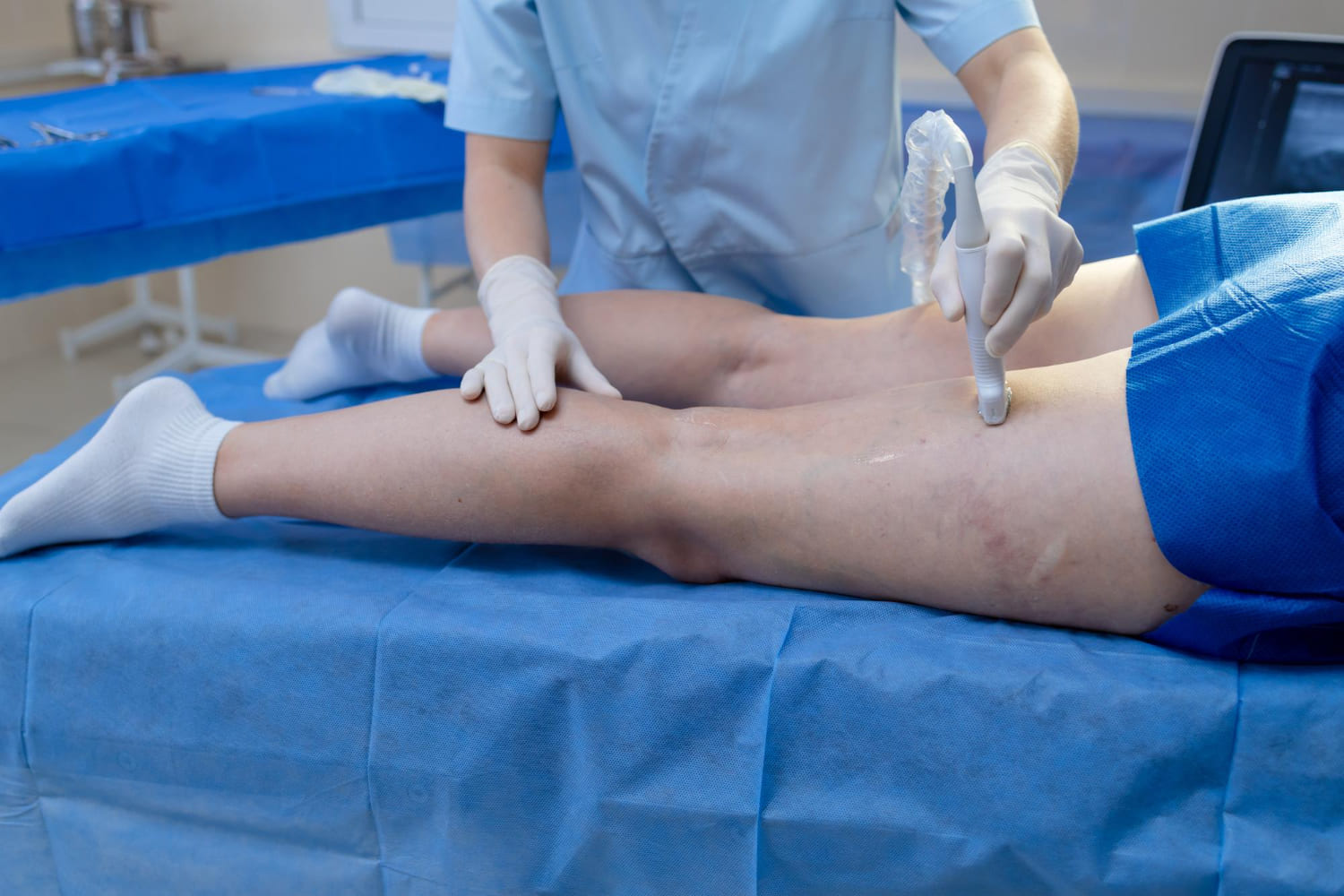
Femur (Thigh) Shortening
- Often preferred when the discrepancy is mainly femoral
- Hip and knee motion must be protected with PT
- Muscle strength (quadriceps/hip flexors) becomes a major rehab focus
Tibia (Shin) Shortening
- Used when the discrepancy is primarily tibial
- Ankle mobility can become a key PT priority
- Weight-bearing progression is carefully managed to support bone union
How Much Can a Leg Be Shortened?
The safe shortening amount varies by:
- Bone segment (femur vs tibia)
- Patient height and anatomy
- Soft tissue tolerance
- Overall functional goals
- Partial shortening + shoe lift
- Lengthening the shorter limb instead
- A staged or combined approach

Timeline & Recovery: How Long Does It Take?
Hospital Stay
Many patients stay in the hospital for a few days, depending on:
- Pain control
- Mobility progress
- Medical monitoring needs
Walking and Weight-Bearing
Weight-bearing depends on fixation type and healing:
- Some patients begin partial weight-bearing relatively early
- Others require a longer protected period
Return to Work
Typical planning ranges (varies widely):
- Desk work: often earlier with accommodations
- Physical work: later, depending on strength, gait, and union
Return to Sports
Returning to sports depends on:
- Confirmed bone healing (union)
- Restored strength and joint mobility
- Stable gait mechanics
Is Limb Shortening Surgery Safe? Risks & Complications
Limb shortening is a major orthopedic procedure. Safety depends on surgeon experience, patient factors, and aftercare quality.
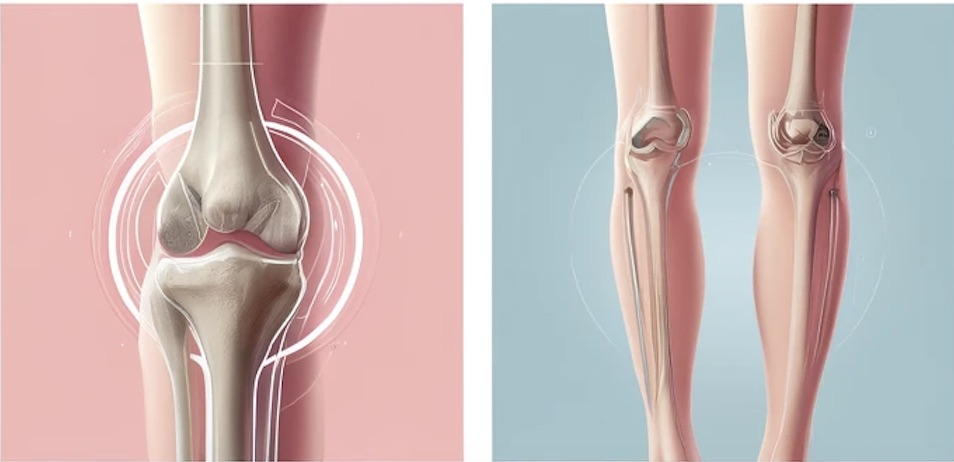
Potential Risks (Not Exhaustive)
- Infection
- Delayed bone healing or nonunion
- Hardware irritation or failure
- Malalignment
- Blood clots (DVT/PE)
- Nerve irritation
- Joint stiffness (hip/knee/ankle depending on bone)
What Lowers Risk
- Choosing a specialized limb reconstruction surgeon
- Following weight-bearing restrictions
- Consistent physical therapy
- Avoiding nicotine and optimizing nutrition
- Regular follow-ups and X-rays
Age Limit and Candidacy
Typical age considerations
Many procedures are performed on:
- Adolescents after growth is complete (case-dependent)
- Adults
Strong Candidate Traits
- Healthy joints and good baseline motion
- Good bone quality
- Ability to commit to rehab
- Realistic expectations about height and recovery
Higher-Risk Traits
- Smoking/nicotine use
- Poor nutrition or uncontrolled medical conditions
- Severe arthritis or instability
- Inability to attend follow-ups and PT consistently
Practical Tips
Pain, Mobility, Scars, and Day Life
Pain and Discomfort
Expect:
- Surgical pain early on
- Soreness as you begin PT and gait retraining
- Pain is managed with a structured plan tailored to the patient
Scarring
Scars depend on:
- Surgical approach
- Plate vs nail technique
- Your team will advise scar care once wounds are healed
Daily Life
Most patients will need:
- Mobility aids (crutches/walker) initially
- Help at home during early recovery
- Consistent PT appointments
Before and After Surgery
- Starting LLD measurement (cm)
- Which bone was shortened (femur/tibia)
- Fixation type (plate or nail)
- Recovery timeline and milestones
- Functional outcomes: walking, stairs, comfort, return to activities
- Any complications and how they were managed
Red flags in marketing content
- Only cosmetic photos, no functional information
- No mention of PT or recovery timeline
- Unrealistic “fast recovery” claims
Limb Shortening Surgery Cost (Including Turkey)
Cost depends on:
- Country and facility
- Surgeon fees
- Fixation type and implant costs
- Hospital stay length
- Imaging and follow-up schedule
- Physical therapy plan
- Whether it’s combined with deformity correction
Turkey Cost Notes
Because “limb shortening surgery Turkey” is searched, many people are comparing:
- Package vs itemized pricing
- Implant type
- Rehab and follow-up inclusions
- Complication coverage and revision policies
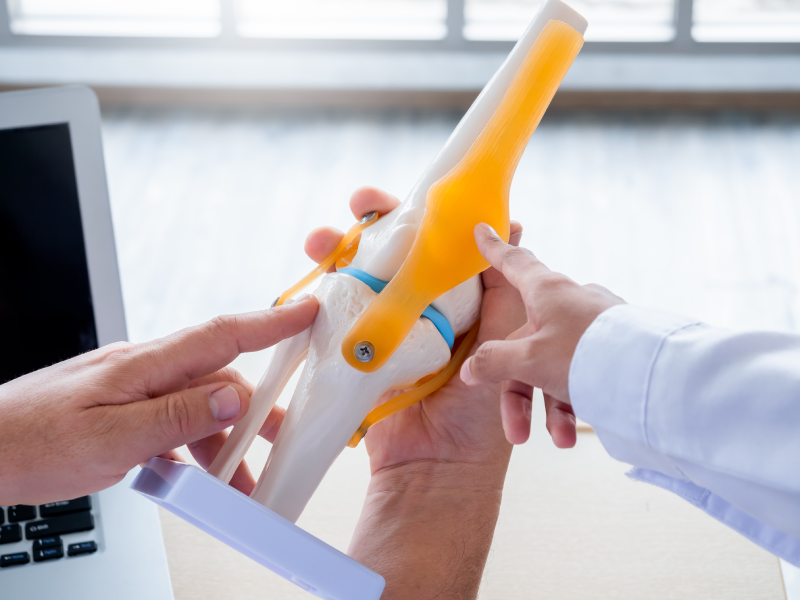
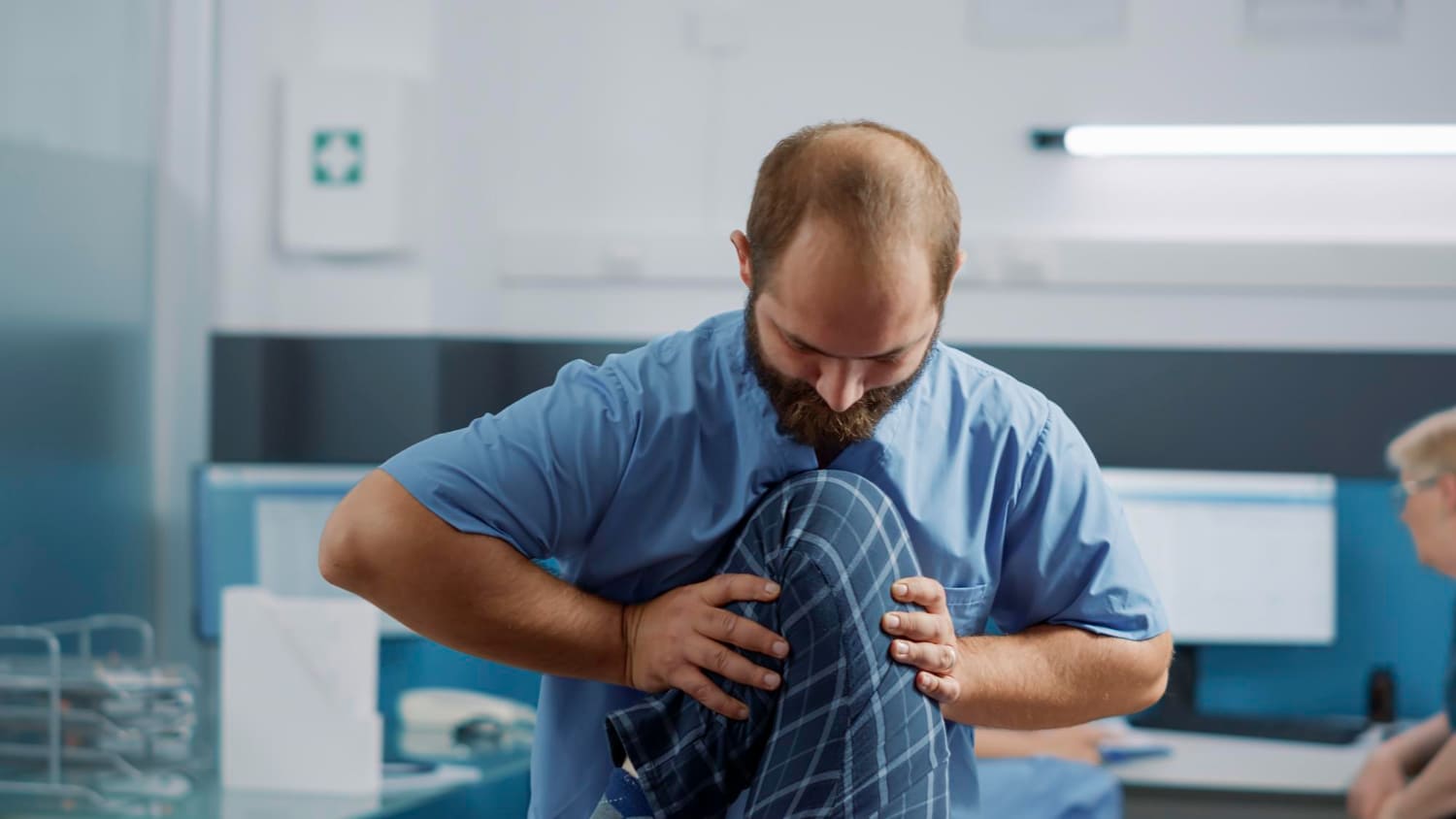
Physical Therapy: Why It Matters
Physical therapy is often the biggest driver of functional success.
PT typically focuses on:
- Protecting joint range of motion
- Restoring muscle strength (hip/knee/ankle depending on bone)
- Rebuilding gait symmetry and balance
- Preventing compensatory back/hip pain
Choosing an Orthopedic Surgeon/Clinic (Checklist)
Look for an orthopedic surgeon who routinely performs:
- Limb reconstruction
- Deformity correction
- Complex osteotomies and fixation

Questions to Ask
- How many limb reconstruction cases do you do per year?
- What’s your typical approach for shortening (plate vs nail)?
- What is your complication rate and most common issues?
- What is your protocol for weight-bearing progression?
- How often will I need X-rays?
- What’s the PT schedule and who coordinates it?
- What happens if I develop delayed union or hardware irritation?
Frequently Asked Questions
How much does limb shortening surgery cost?
Costs vary by country, implant type, hospital stay, and aftercare. The most accurate approach is an itemized quote that includes surgeon fees, implants, hospital charges, imaging, and PT.
Can limb shortening surgery be done in Turkey?
Yes, Turkey is a common destination for orthopedic surgery. The key is choosing a specialized limb reconstruction team and confirming follow-up and PT planning.
Is limb shortening surgery safe?
It can be safe in the right hands with proper patient selection and structured rehab. Like all major surgeries, it carries risks such as infection, delayed healing, stiffness, and blood clots.
How long does recovery take?
Recovery timelines vary. Many patients need months for full bone union and functional recovery, especially for return to sports and high-impact activity.
Will I lose height with limb shortening surgery?
Yes. Shortening reduces overall height by the amount of bone removed. The trade-off is improved leg symmetry and function when shortening is the best option.
Is physical therapy really necessary?
Yes. PT is essential to restore joint mobility, strength, and normal walking mechanics. Skipping PT can lead to stiffness and poor functional outcomes.


