
Limb Lengthening Surgery Turkey
Limb lengthening is a bone reconstruction procedure that increases the length of the femur (thigh bone) and/or tibia (shin bone)—and sometimes corrects bowing, rotational deformities, or leg-length discrepancy at the same time.

Medically reviewed by Dr.Serdar
Written by Kubilay
TABLE OF CONTENT
- Why People Consider Limb Lengthening Surgery
- How Does Limb Lengthening Surgery Turkey Work?
- Techniques & Devices
- How Much Height Can You Gain?
- Timeline & Recovery: How Long Does It Take?
- Is Limb Lengthening Surgery Turkey Safe?
- Age Limit and Candidacy
- Pain, Mobility, Scars, and Day-to-Day Life
- Before and After: What “Real Results” Should Show
- Limb Lengthening Surgery Turkey Cost
- Choosing the Right Limb Lengthening Surgeon/Clinic
- Frequently Asked Questions
Limb Lengthening Surgery Procedure Guide
Why People Consider Limb Lengthening Surgery Turkey: Medical vs Cosmetic
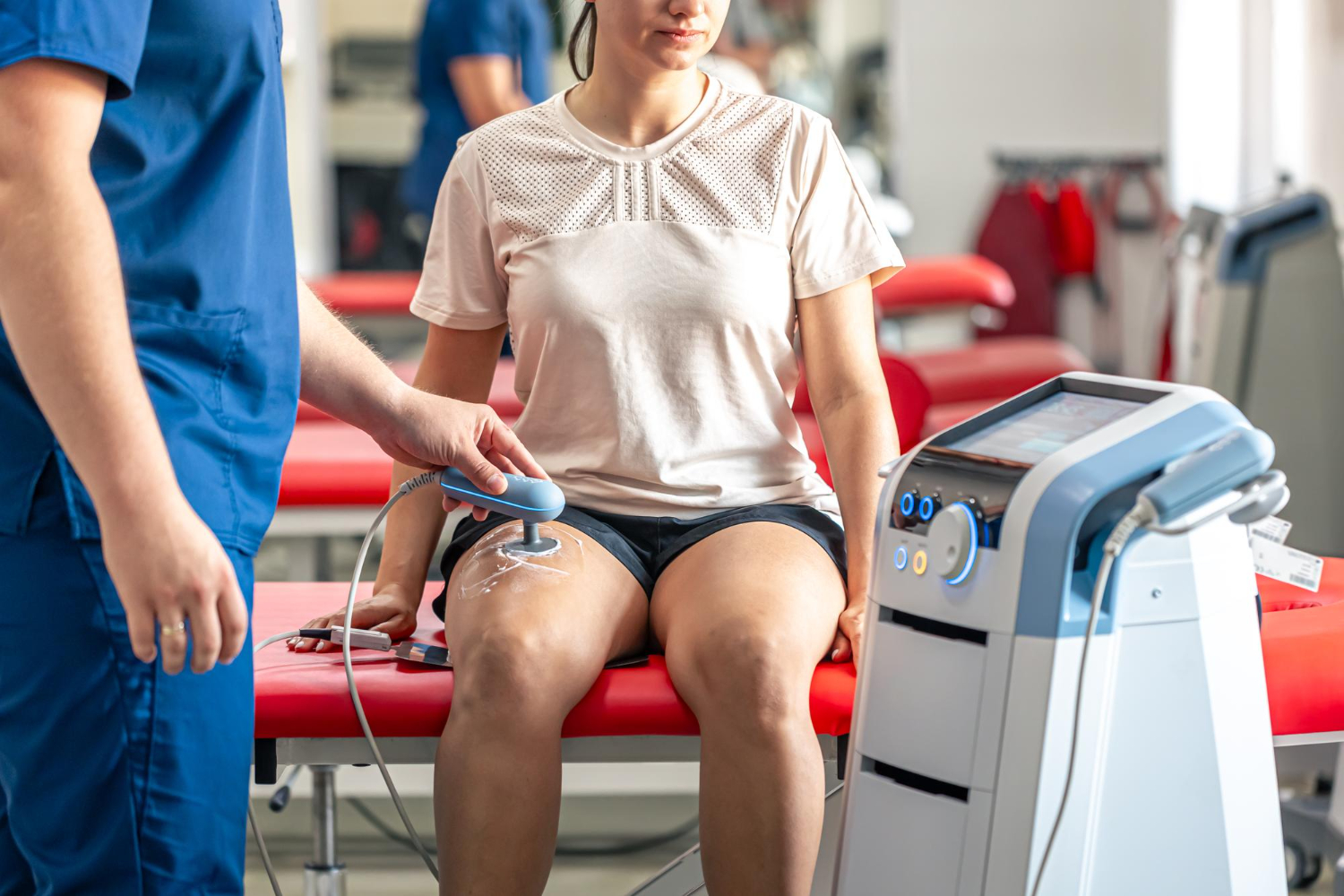
Common medical reasons
- Leg length discrepancy (LLD) from congenital conditions, growth plate injury, trauma, infection, or prior surgery
- Deformity correction (valgus/varus, rotational issues) alongside lengthening
- Complex limb reconstruction after serious injury
Cosmetic / stature lengthening (height increase)
Surgery Steps
How Does Limb Lengthening Surgery Turkey Work? (Step-by-Step)
Pre-op planning (the part most people underestimate)
Surgery Day (osteotomy + device placement)
Latency Phase (early healing)
Distraction/Lengthening Phase (daily adjustments)
Consolidation Phase (bone hardens)
Rehabilitation (all the way through)
Pre-op planning (the part most people underestimate)
- Alignment (standing X-rays), limb lengths, joint health
- Hip, knee, and ankle range of motion
- Nerve and vascular status
- Bone quality and overall health
- Your height goals vs what your soft tissues can safely tolerate
Surgery Day (osteotomy + device placement)
- External fixator (frame outside the leg connected by pins/wires)
- Internal motorized nail inside the bone controlled by an external remote mechanism (in some systems)
Latency Phase (early healing)
Distraction/Lengthening Phase (daily adjustments)
Consolidation Phase (bone hardens)
Rehabilitation (all the way through)
Techniques & Devices: External Fixator vs Internal Nail vs Hybrid
External Fixators (Ilizarov / Taylor Spatial Frame / monolateral frames)
- Can correct complex deformities and lengthen simultaneously
- Often used in complicated reconstructions
- Pin/wire sites require meticulous care
- Pin-tract infection is very common in many external fixation lengthening experiences
- Longer time in a frame is associated with complications such as joint stiffness and pin tract infection
Internal Motorized Nails (e.g., PRECICE-type systems)
These are intramedullary nails placed inside the bone; lengthening is controlled via a mechanism (often magnetic/remote-controlled depending on system).
Pros
- No external frame/pins
- Often perceived as more comfortable and cosmetically discreet than frames
Cons
- Not suitable for every anatomy (bone canal size, deformity complexity, prior surgeries)
- Still major surgery with real complication risk
Hybrid Approaches (LON / LATN and similar)
How Much Height Can You Gain?
- Femur: up to ~8 cm
- Tibia: up to ~5 cm
- Two-stage (femur + tibia): up to ~13 cm total in selected cases (done as separate procedures)

Timeline & Recovery: How Long Does It Take?
The lengthening math (a simple way to estimate)
The lengthening math (a simple way to estimate)
If lengthening is ~1 mm/day, then:
- 50 mm (5 cm) ≈ ~50 days of active lengthening
- 80 mm (8 cm) ≈ ~80 days of active lengthening
Then consolidation can take months.
Sports and running
Walking and weight-bearing
This varies dramatically by:
- Femur vs tibia
- External frame vs internal nail
- Surgeon protocol
- Your bone regenerate quality and muscle control
Returning to work
- Desk work: sometimes possible earlier (with accommodations), but pain, PT frequency, and mobility limitations matter
- Physical jobs: often require a long delay
Is Limb Lengthening Surgery Turkey Safe? (Risks, Complications, and How to Reduce Them)
Potential complications (not exhaustive)
- Infection
- Joint stiffness / contractures (hip/knee/ankle)
- Nerve irritation or injury
- Blood clots (DVT/PE)
- Delayed union / nonunion
- Regenerate fracture
- Malalignment or unequal lengths
What increases risk?
- Aggressive length goals
- Poor baseline flexibility or existing joint issues
- Smoking/nicotine
- Inadequate physical therapy
- Limited follow-up access (especially with medical tourism)
Risk-reduction checklist
- Choose a surgeon/team that does limb reconstruction routinely (not occasionally)
- Confirm PT plan before surgery (frequency, duration, who coordinates care)
- Clarify emergency/complication protocols
- Be realistic about length goals and timelines
- Optimize nutrition, sleep, and stop nicotine
Age Limit and Candidacy
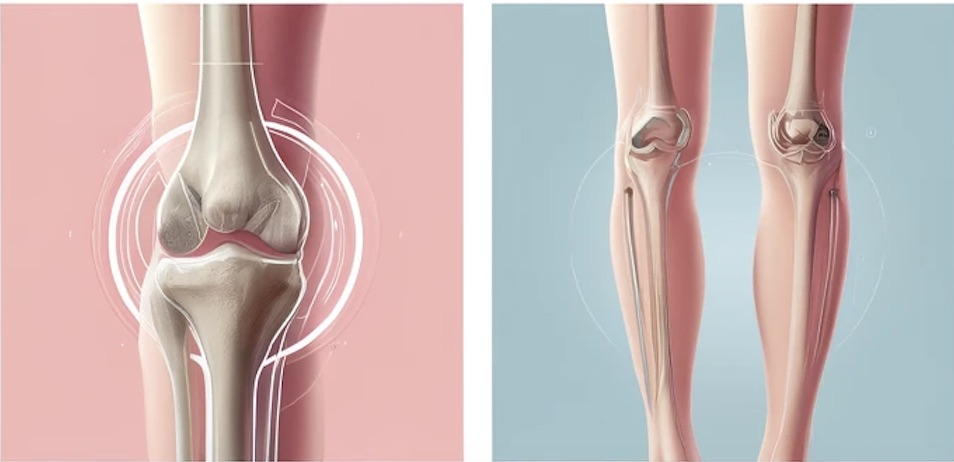
Typical age considerations
Candidacy factors (more important than age alone)
- Healthy joints and good range of motion
- Good bone quality
- Strong commitment to intensive rehab
- Realistic expectations (function first, aesthetics second)
- Significant arthritis or unstable joints
- Poor circulation/neuropathy
- Uncontrolled medical conditions
- Inability to commit to prolonged PT and follow-up
Practical Tips
Pain, Mobility, Scars, and Day-to-Day Life
Does it hurt?
Most patients describe:
- Post-op surgical pain (initial weeks)
- Tightness/pressure during distraction
- Muscle soreness from intense PT
Scarring
- External fixators: pin sites that may leave small scars
- Internal nails: surgical incisions (typically smaller and fewer visible pin scars)
Daily life realities
- Frequent PT
- Regular imaging (X-rays)
- Mobility limitations
- Sleep disruption at times
- A mental endurance component (this is a marathon)
Before and After Surgery
- Starting height and target height (and which bones)
- Device type (external frame vs internal nail vs hybrid)
- Length achieved (cm) and timeline
- Complications (if any) and how handled
- Final function: walking, stairs, running, flexibility
- X-ray progress (regenerate quality), not just appearance
Red flags in marketing galleries
- Only glamor photos, no rehab details
- No mention of complications or limitations
- Unrealistic timelines (“back to normal in weeks”)
Limb Lengthening Surgery Turkey Cost
Cost depends on:
- Country and facility
- Surgeon fees
- Device type (internal nails are often pricier than external frames)
- Single bone vs two bones, one segment vs two segments
- Hospital stay, imaging, PT package
- Complication coverage and revision policy
- Location / where
Typical price ranges
- Turkey: commonly reported ranges such as $15,000–$35,000 in some guides/market listings (package structures vary)
- United States / high-cost markets: often reported as tens of thousands to well over $100,000, especially with internal nails and comprehensive follow-up
“Turkey 2025” cost searches: what people usually mean
- Internal nail vs external fixator pricing
- Whether rehab, hotel, transfers, and PT are included
- How long they must stay in-country for follow-ups
- What happens if a complication occurs after returning home
What to ask for in a cost quote
- What’s included: device, surgery, hospital stay, imaging, meds, PT sessions?
- What length goal is assumed in the quote?
- What happens if you need:
- Additional PT
- A second surgery (hardware adjustment/removal)
- Treatment for infection or delayed union
- Follow-up schedule and length of in-person stay recommended
- Revision policy and estimated costs if something goes wrong
What to ask for in a cost quote (so you can compare apples-to-apples)
- Medically necessary lengthening for LLD/deformity may sometimes be covered partially depending on country/insurance
- Cosmetic stature lengthening is often self-pay
Choosing the surgeon
Choosing the Right Limb Lengthening Surgeon/Clinic
Questions to ask on a consult
- How many limb lengthening cases do you do per year (and which methods)?
- Which technique do you recommend for my anatomy and goals—and why?
- What is your complication rate and most common complications?
- How do you handle delayed bone formation?
- What is your plan if I return home mid-process?
Documents you should receive
- Written timeline (phases + milestones)
- PT protocol
- Follow-up imaging plan
- Emergency contact pathway
- Cost inclusions/exclusions
Frequently Asked Questions
How much is limb lengthening surgery?
How much does limb lengthening surgery cost in Turkey (2026)?
Is limb lengthening surgery safe?
How does limb lengthening surgery work?
What is the age limit for limb lengthening surgery?
How much height can I gain?
How long does recovery take?
Active lengthening can take weeks to months depending on the cm gained, and consolidation often takes additional months. Healing can vary widely by technique, bone, and patient factors.


