
Limb Lengthening Surgery Patient Guide
Limb lengthening surgery is a complex but rewarding orthopedic procedure for individuals seeking to correct leg length discrepancies or increase their height. If you are considering limb lengthening in Turkey, it is important to fully understand the preparation process, the surgery itself, and the recovery journey so you can plan realistically and recover safely.
Before Your Surgery
Consultation & Evaluation
Your journey begins with a full consultation with an orthopedic surgeon.
During this evaluation, your care team will typically:
Review your medical history, current medications, and any existing conditions
Perform a detailed physical examination focusing on joint motion, flexibility, and alignment
Request imaging tests such as X-rays, MRI, or CT scans when needed
Determine whether the LON (Lengthening Over Nail) or Precice 2 method is most suitable for your goals and anatomy


Pre-Operative Instructions
To reduce surgical risks and support bone healing, patients are generally advised to follow these instructions before surgery:
Stop taking aspirin, blood thinners, and herbal supplements about 10 days before surgery to reduce the risk of bleeding
Stop smoking and drinking alcohol about 2 weeks before surgery to improve healing and circulation
Inform your doctor of any medication allergies
Adjust daily medications only according to your doctor’s instructions
Do not eat or drink anything for about 12 hours before the procedure
Maintain a balanced diet rich in protein, calcium, and vitamin D to support bone healing
Keep your body weight stable, as major weight gain or loss may affect recovery
Prepare for physiotherapy in advance by maintaining good joint flexibility and muscle strength
What to Bring to the Hospital
A few practical items can make your hospital stay more comfortable:
Loose, comfortable clothing with front zippers or buttons
Flat, stable shoes for early mobility
Personal hygiene items
Baby wipes for the early recovery period
Entertainment such as books, a laptop, or headphones

During Your Surgery
Anesthesia & Procedure
Limb lengthening is performed under general anesthesia.
Two commonly used approaches may be discussed:
LON Method (Lengthening Over Nail)
- Combines an internal nail with a temporary external fixator
- The external device supports controlled lengthening and is typically removed after the lengthening phase
Precice 2 Method
- Uses an internal lengthening nail
- Lengthening is controlled by a remote magnetic system
Home Setup Tips
Most patients remain hospitalized for about 5–7 days, depending on pain control, mobility progress, and medical monitoring.
During the hospital period, your care team will typically provide:
- Pain management planning
- Antibiotics when needed to reduce infection risk
- Education on mobility aids
- Support from nurses and patient coordinators for daily needs and discharge planning
After Your Surgery
Recovery Stages
Immediate Post-Operative Phase (Week 1)
The first week is focused on stability and safe movement:
- Monitoring for pain, swelling, infection risk, and wound healing
- Early physiotherapy to protect:
- Joint motion
- Muscle function
- Circulation
Lengthening Phase (Approximately 2–3 Months)
- Daily distraction is performed using:
- The external system (LON)
- The magnetic remote control (Precice 2)
- Follow-up imaging is usually scheduled about every 2–4 weeks to track new bone formation
- Physiotherapy is essential, with emphasis on:
- Stretching and flexibility
- Preventing stiffness
- Maintaining muscle strength and gait mechanics
Consolidation Phase (Approximately 9–12 Months)
- The regenerate bone strengthens gradually over months
- Daily function increases step-by-step based on X-ray healing and PT progress
- For LON patients:
- External fixator removal may be done as a minor procedure once the surgeon confirms sufficient healing
Lifestyle & Care Guidelines
Mobility
- Most patients require crutches or a walker during the lengthening period
- Many find Precice 2 easier to manage day-to-day due to the lack of an external frame
Work & Daily Life
While timelines vary, a typical planning guide looks like this:
- Return to light work / desk tasks: around 4–5 months
- Return to light sports / non-impact training: around 6–9 months
- Full recovery and higher activity levels: around 9–12 months
Nutrition
Support bone formation with:
- High-protein meals
- Adequate calcium and vitamin D
- Plenty of fluids (hydration supports circulation and tissue recovery)
Hygiene
- Keep incision areas clean and dry
- Use baby wipes as a temporary option until showering is approved by your surgeon
Scarring & Skin Care
- Apply SPF 30+ sunscreen to scars for at least 12 months
- This can help minimize discoloration and improve cosmetic healing
Pain & Discomfort
It’s normal to experience discomfort during distraction.
Risks & Monitoring
As with any major surgery, there are risks, including:
- Infection
- Delayed bone healing
- Joint stiffness
Key Reminders (Quick Reference)
- Minimum age: typically 18–20 years (growth plates should be closed)
- Maximum recommended age: often around 50 years (exceptions may apply for healthy patients)
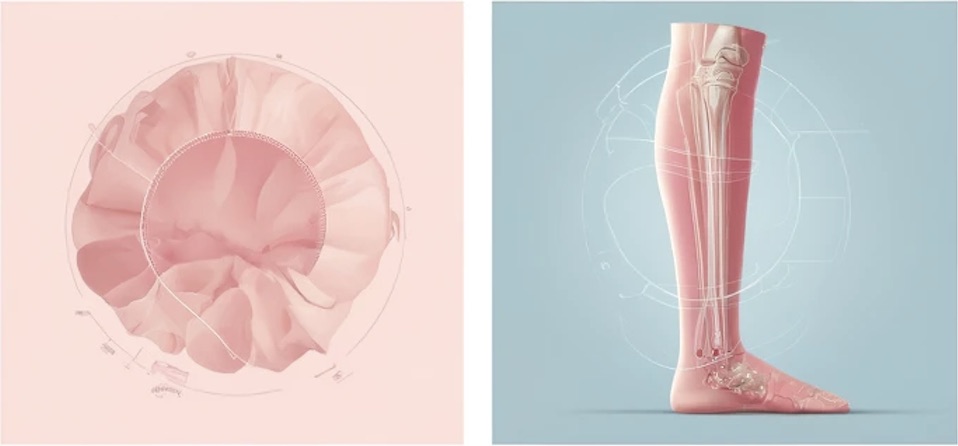
Average achievable lengthening (common planning ranges)
- Tibia: 5–7 cm
- Femur: 8 cm (sometimes up to 9 cm with LON in selected cases)
Planning for larger height goals
- If your target is more than ~8 cm total, you may need:
- A staged approach, or
- A second procedure, depending on your anatomy and safety limits


